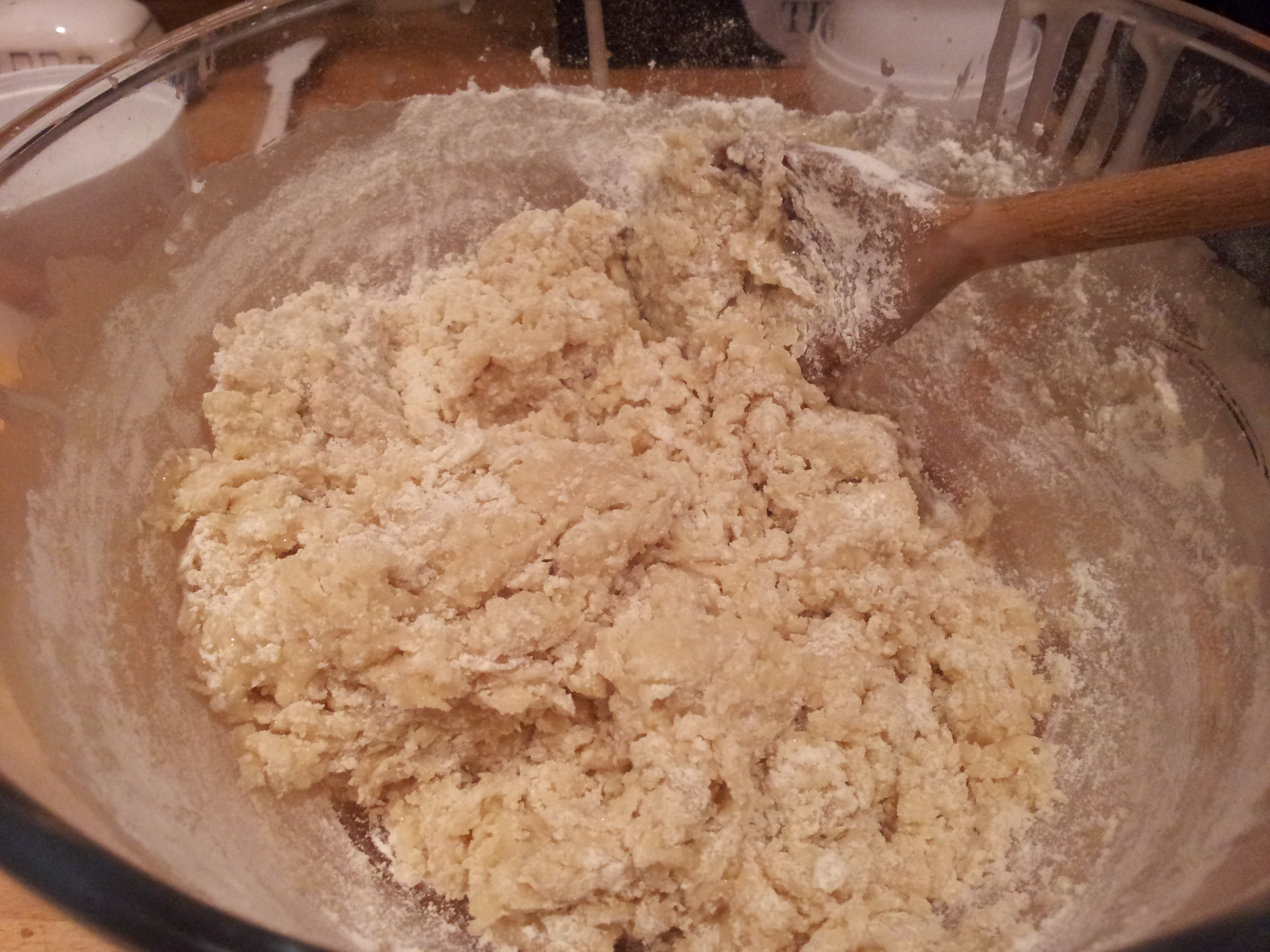
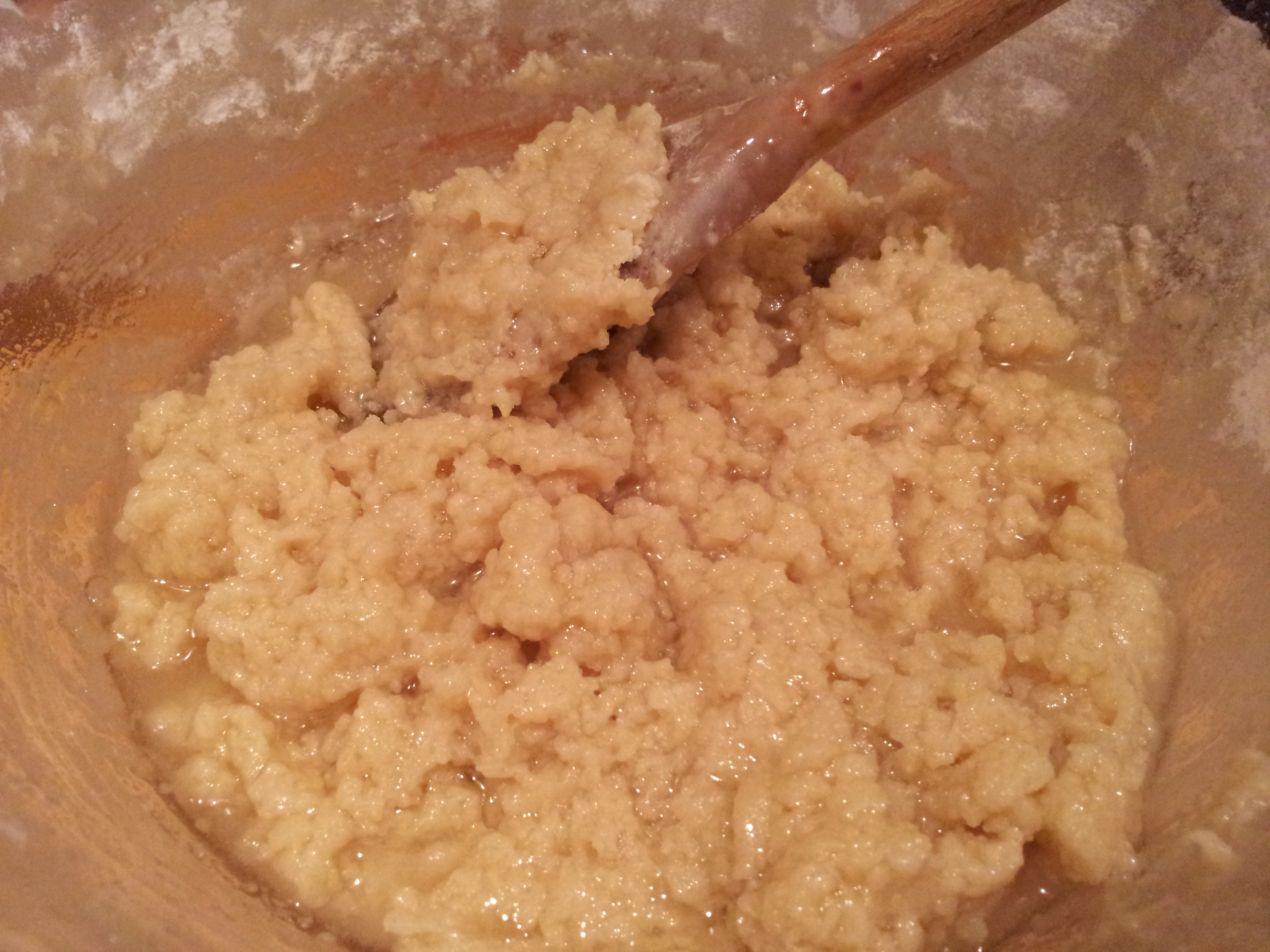
42. Swedish Tea Ring – the cake for busy bakers

Planning to bake something in advance of an event or special occasion can be difficult. Sponge cake will dry out if baked too far in advance and if you freeze it you can’t ice it beforehand. I seem to be in a real baking frenzy at the moment. Partly because I’m in the process of baking my 5 tier wedding cake…

The teetering tower of fruit cake… shame 2 tiers need to be re-baked.

I’ve chosen fruit cake for my 5 tier wedding cake is because I love fruit cake and it will be Christmas(!) but also because I can plan it in and bake it in advance. Then take my time with icing it, hopefully resulting in a well organised and non stressful experience. Also fruit cake improves with age! The longer I soak the fruit and feed it BOOZE the better it will taste.

Swedish Tea Ring

So what else keeps well? A rich yeast dough, that’s what! Bring on another new discovery and favourite of mine, The Swedish Tea Ring!!

Marguerite Patten has been tempting me with this recipe for years and I finally found a reason to bake it! To give as a present to my friends Josh and Mark for looking after me in Manchester at the Blog North Awards last week.

It’s like a robust Chelsea Bun/Cinnamon Roll/Belgian Bun hybrid. Perfect for cinnamon junkies like me and for preparing in stages for the busy baker. I can also confirm it’s portability! It survived a 3 hour drive through lightening and torrential rain! That’s one sturdy bake.

Whisking the dry ingredients together…

One thing I dislike about making yeast doughs is the kneading time required. I no longer own a hand whisk with dough hooks attached and my food processor can only handle dough for 2-3 minutes before it starts rocking around the counter top precariously. So, in my mad baking frenzy, I improvised as best as I could do. I used my electric hand whisk and beat the dough together… Who knows if this is an acceptable baking practice?

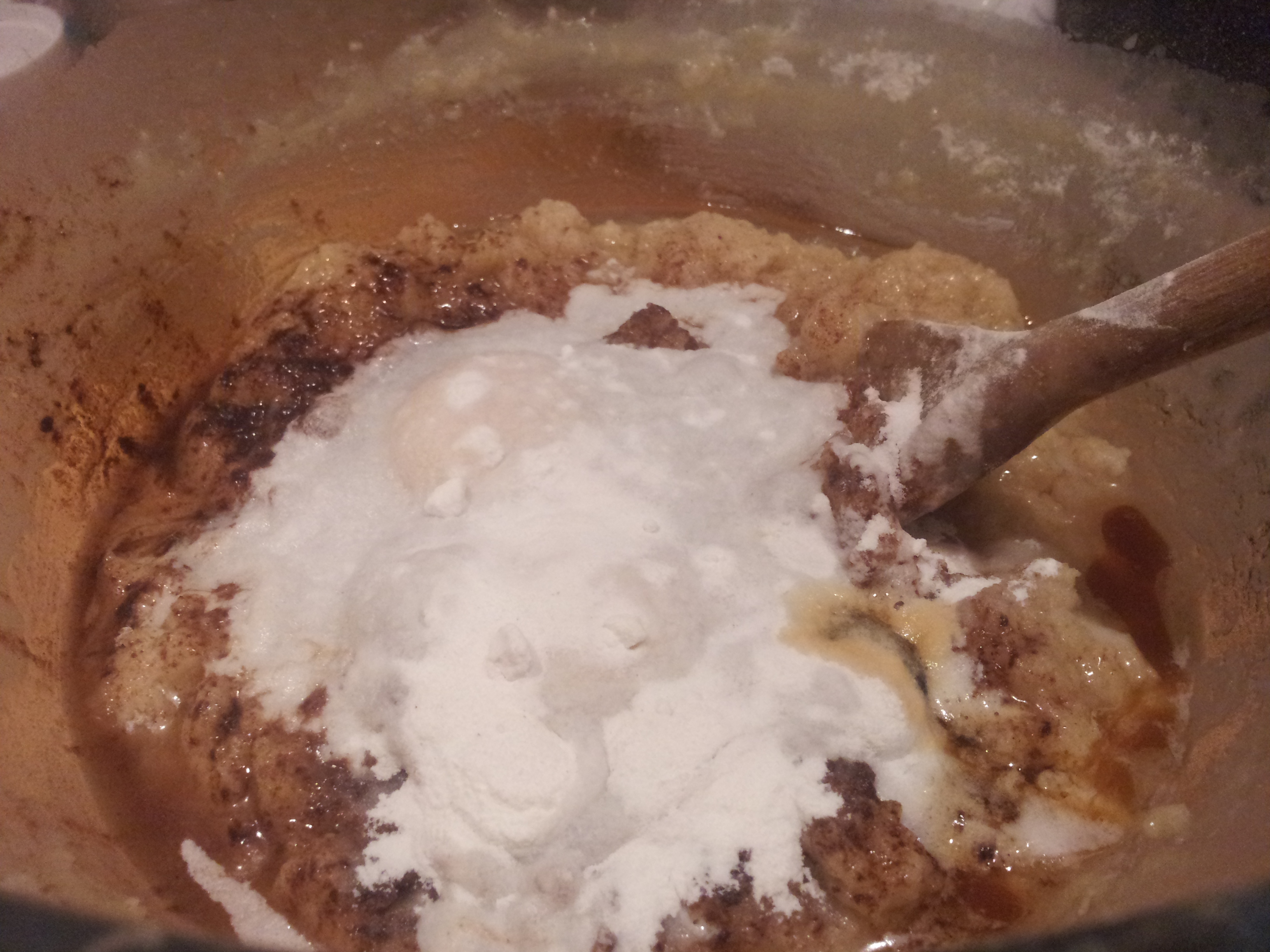
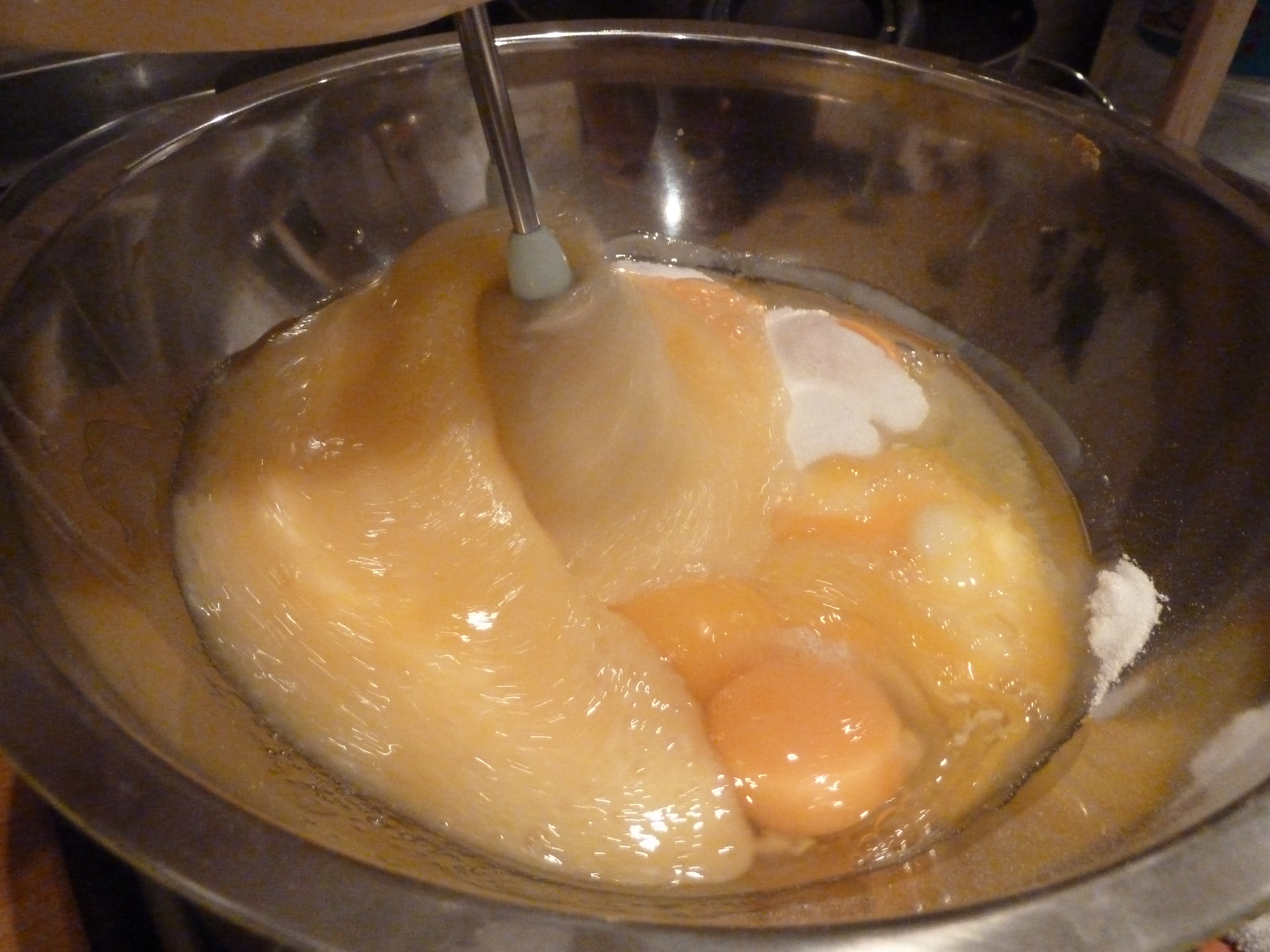
Whisking in the egg

But despite my poor little electric whisk’s protests (it’s been through a lot this year) It managed to combine the wet dough together with minimal effort required from me. I call that a result (although the blown out birthday candle smell emanating from the little whisk’s motor might suggest otherwise…)

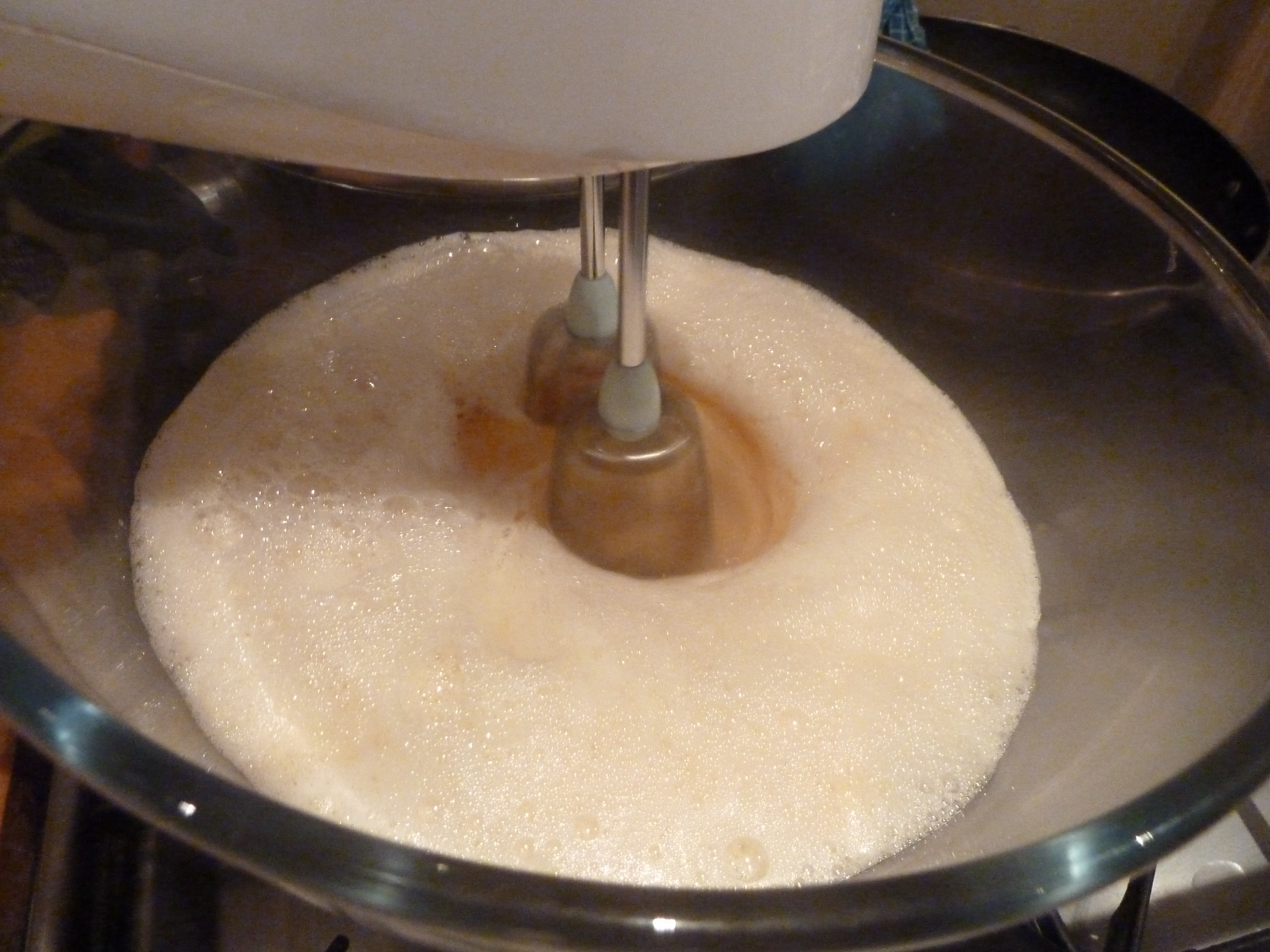
Whisking in the milk – making a wonderfully sticky dough

Now as Marguerite arranged each bit of this recipe in a different section of the book, I managed to confuse my recipe somewhat. I used the full rich yeast dough recipe and didn’t adjust it for the Swedish Tea Ring, which means you either make one massive tea ring or one modest sized ring (according to the recipe) and a smaller mini one for later with the off cuts. (I made 2!)

Poor little burnt out whisk – thoroughly kneading/whisking the dough

Whisk all of the dry ingredients together. Then whisk into the mix the butter, followed by the egg and then the milk until you get an elastic, wet sticky dough.

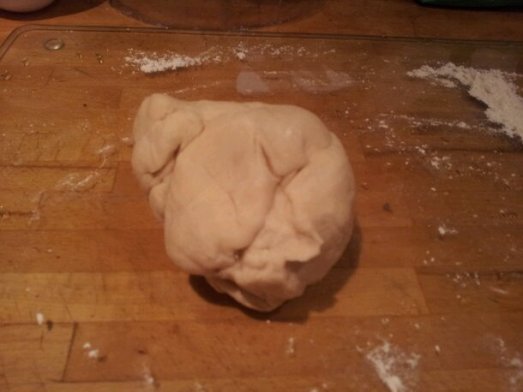
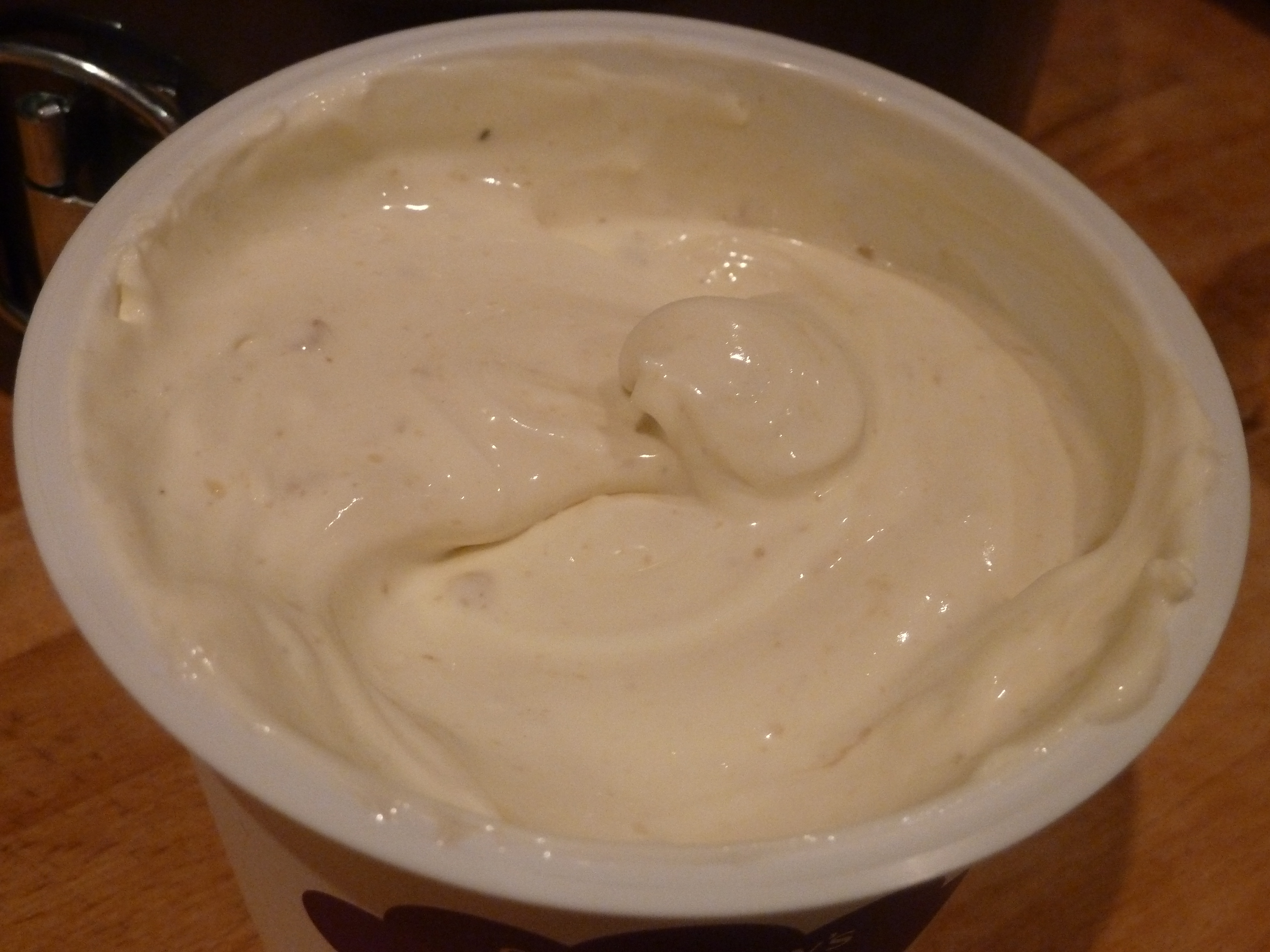
One thoroughly kneaded lump of richer yeast dough

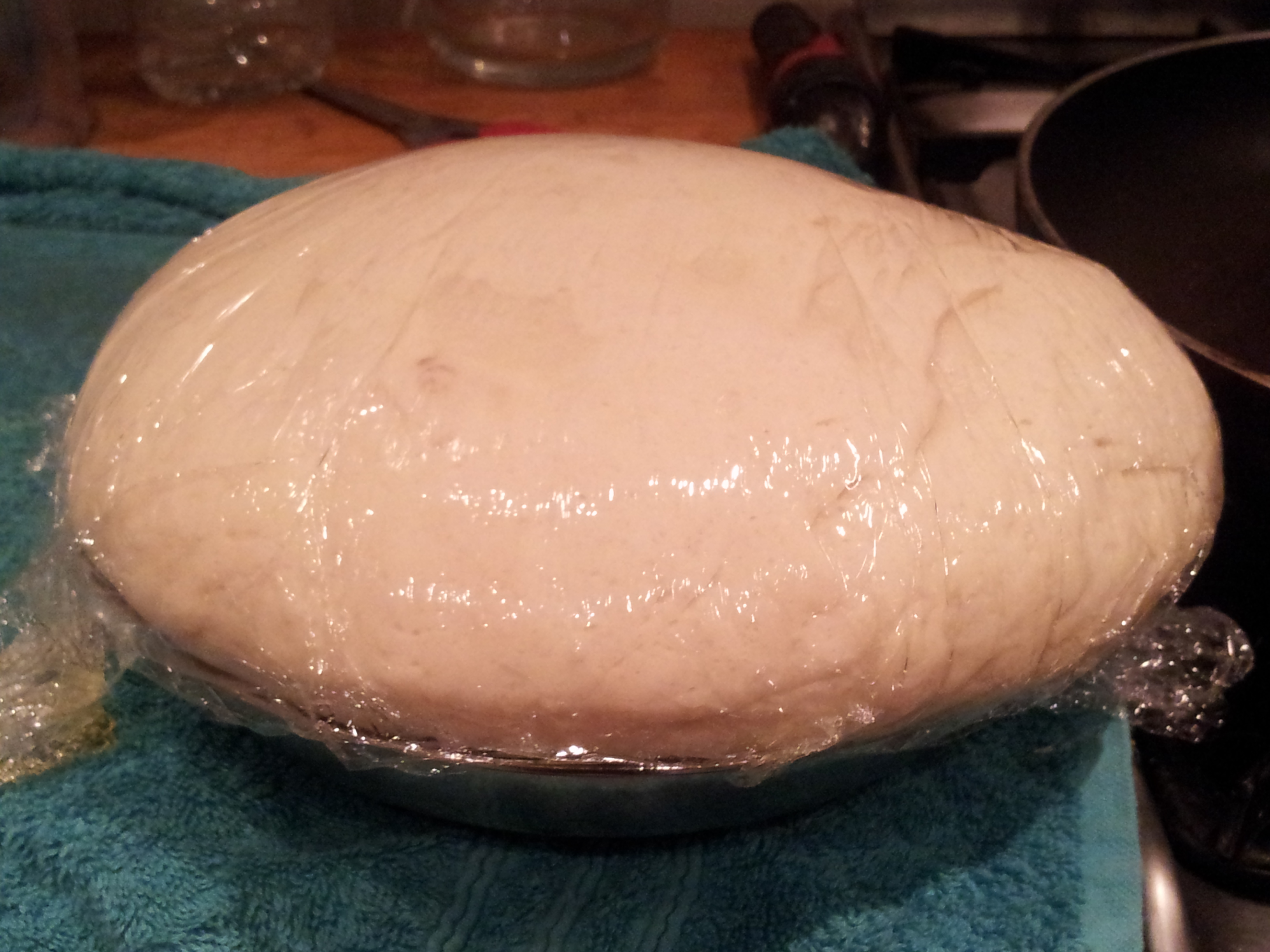
Leave it in an oiled bowl and cover with greased cling film to prove. I popped mine in the fridge over night to prove slowly (although it should only take an hour or two in a warm spot).

Or if you’re in a hurry you could pop your bowl over a pot of soup on the hob to prove…

Remove the proven dough from the fridge and allow to come to room temperature (if you have proven it in the fridge).

Fully proven dough straight from the fridge

Kneaded the full proven dough thoroughly to re distribute the heat throughout the dough.

Kneaded and shaped into a rectangle ready for rolling out

Roll the dough out to a rectangle 10 inches by 8 inches about 0.5mm thick. I was feeling very precise so I even measured and trimmed the rectangle so it had straight edges, to avoid the misshapen ends I found when making Chelsea buns

Rolled and trimmed to perfection. (Note the ball off extra dough leftover…)

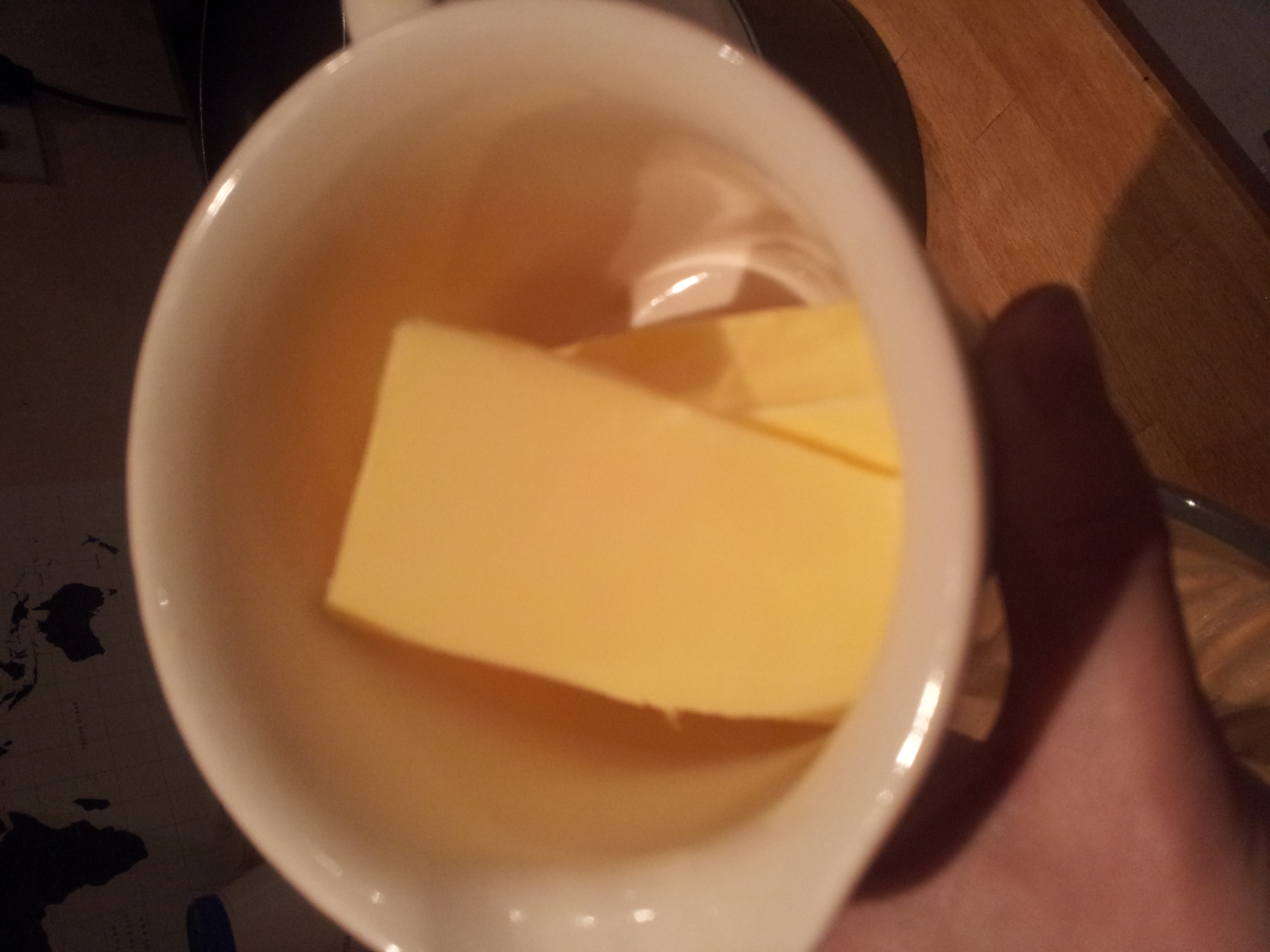
My favourite bit was smearing the entire rectangle of dough with melted butter. I don’t think you need to be precise here. I found a pastry brush too delicate for this job and slapped the lot on with my hand instead straight from the microwave. (It only needs about 30 seconds to melt the butter through). The more generous with the butter the more gooey your filling.

Smeared with butter

For those who adore cinnamon, don’t feel restricted by the recipe. Feel free to pour as much cinnamon into your sugar as you can handle. Give it a quick stir to combine and then throw it onto your butter dough until you have an even blanket of cinnamony wonderment. I like to use enough cinnamon to give the sugar a dark brown colour. I ran out of brown sugar so improvised with normal caster sugar. Perhaps brown sugar would produce more of a caramelised effect?

Generously coat the butter in cinnamon and sugar (I was clearly in a hurry when I took this photo – apologies for it’s blurriness!)

After watching the Great British Bake Off, I realised my rolling skills may bye somewhat lacking. I have a tendency to misunderstand which side is the long side of the dough so I took photos to make sure I can bake this again in the future. Roll the dough towards you from the longest edge to the longest edge creating a ‘swiss roll’ of cinnamon dough.

Cinnamon swiss roll

Don’t worry if some of your sugar falls out of the roll. There’s plenty in there to make it taste wonderful. Keep the roll as tight as possible and if you have some melted butter leftover, it’s a good idea to spread a bit along the longest exposed edge to help ‘glue’ the dough to itself. I would also add a bit to one end to help later on…

Keeping the roll tight with one hand and glueing with butter the dough together

Press your fingers along the join in the dough to encourage the dough to combine and stick together. Turn the roll over so the join is firmly disguised under the roll of dough. Gravity should help to force the roll to stick together and stop the sugary goodness running out whilst it bakes.
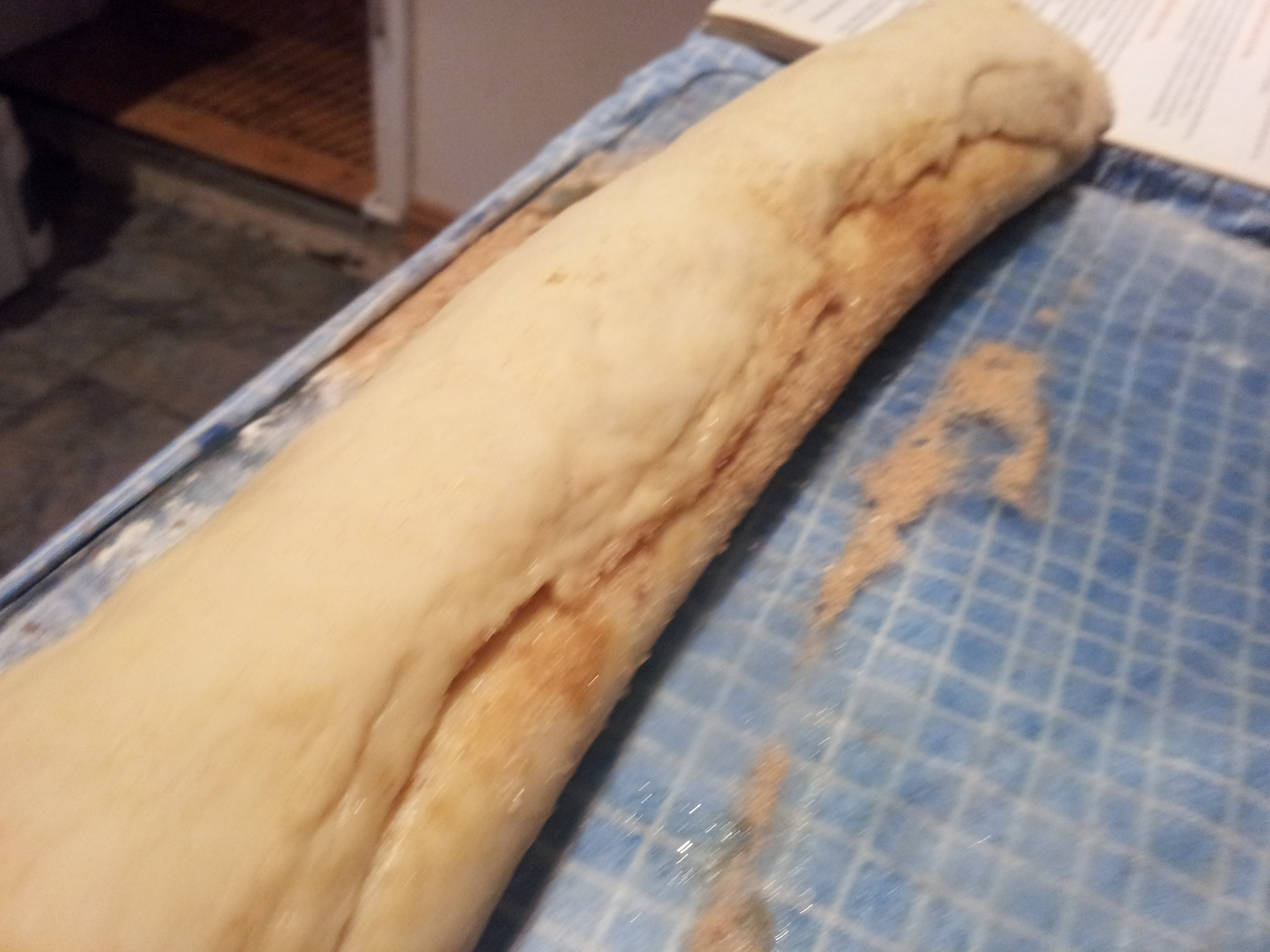
Firmly joined together – then hide this join underneath the roll of dough

This also means you have the smooth (and prettier) side of the dough roll to play with. The most difficult bit of this bake is definitely joining the two short edges of dough together as they are very sugary and don’t want to stick.

This is my Chelsea Bun attempt but it’s very similar! The swirl of cinnamon at each end makes it difficult to join but making sure you have straight edges when you roll out the dough (unlike here – look at the overlap!) makes it much easier to join

I coaxed them together with butter and nipped the edges together with my fingers until they begrudgingly worked with me.

The troublesome join

I breathed a huge sigh of relief when it finally stayed in place! It could almost be one MASSIVE cinnamon doughnut at this point. But it had to have another little rest to prove again (about 20 minutes) before the next step…

a MASSIVE cinnamon doughnut

Now here my recipe reading skills escape me again. What I failed to understand was Marguerite meant for me to cut completely through the ring to create a fan of cinnamon buns in the shape of a ring, like this…

Marguerite’s Swedish Tea Ring – How it should look in real life – fully exposed cinnamon

Unfortunately the photo was on a completely different page and I interpreted the instructions like this…

Partially exposed cinnamon – my interpretation

Brandishing my sharpest kitchen scissors I snipped delicately and diagonally into the ring to partially expose the cinnamon swirls. I must admit I was nervous that this slicing would compromise the integrity of my dough join so was possibly overly hesitant at this stage.

Snippity snip

All it needed was to be placed into a moderately hot oven for 30 minutes or so, until it turned golden brown.
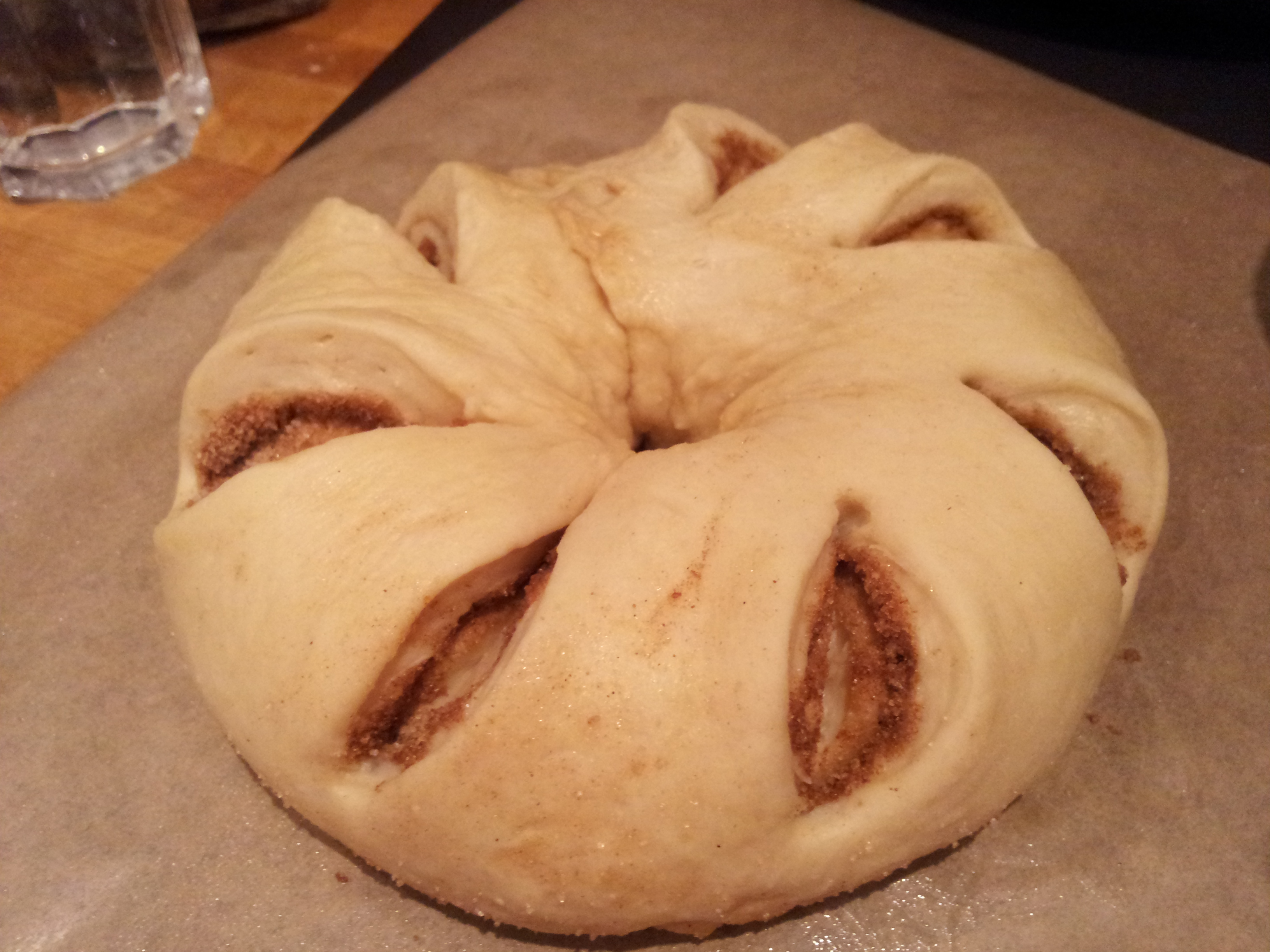
Swedish Tea Ring ready for the oven

As the Swedish Tea Ring is essentially a bread dough I also made sure it was baked through by knocking the bottom of the ring to listen for the resounding hollow tap.

Fully baked (and a bit more irregular in shape than Marguerite’s)

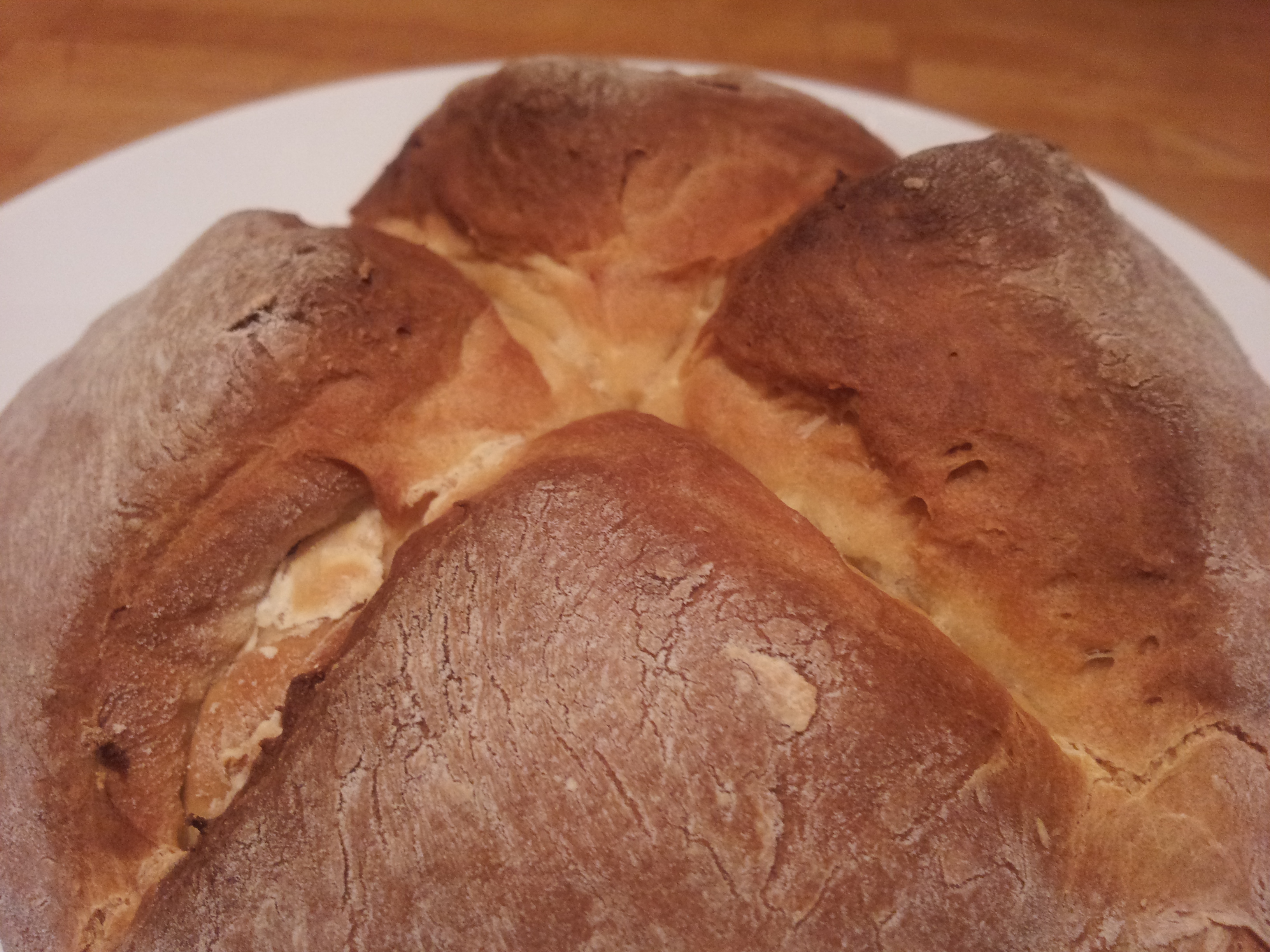
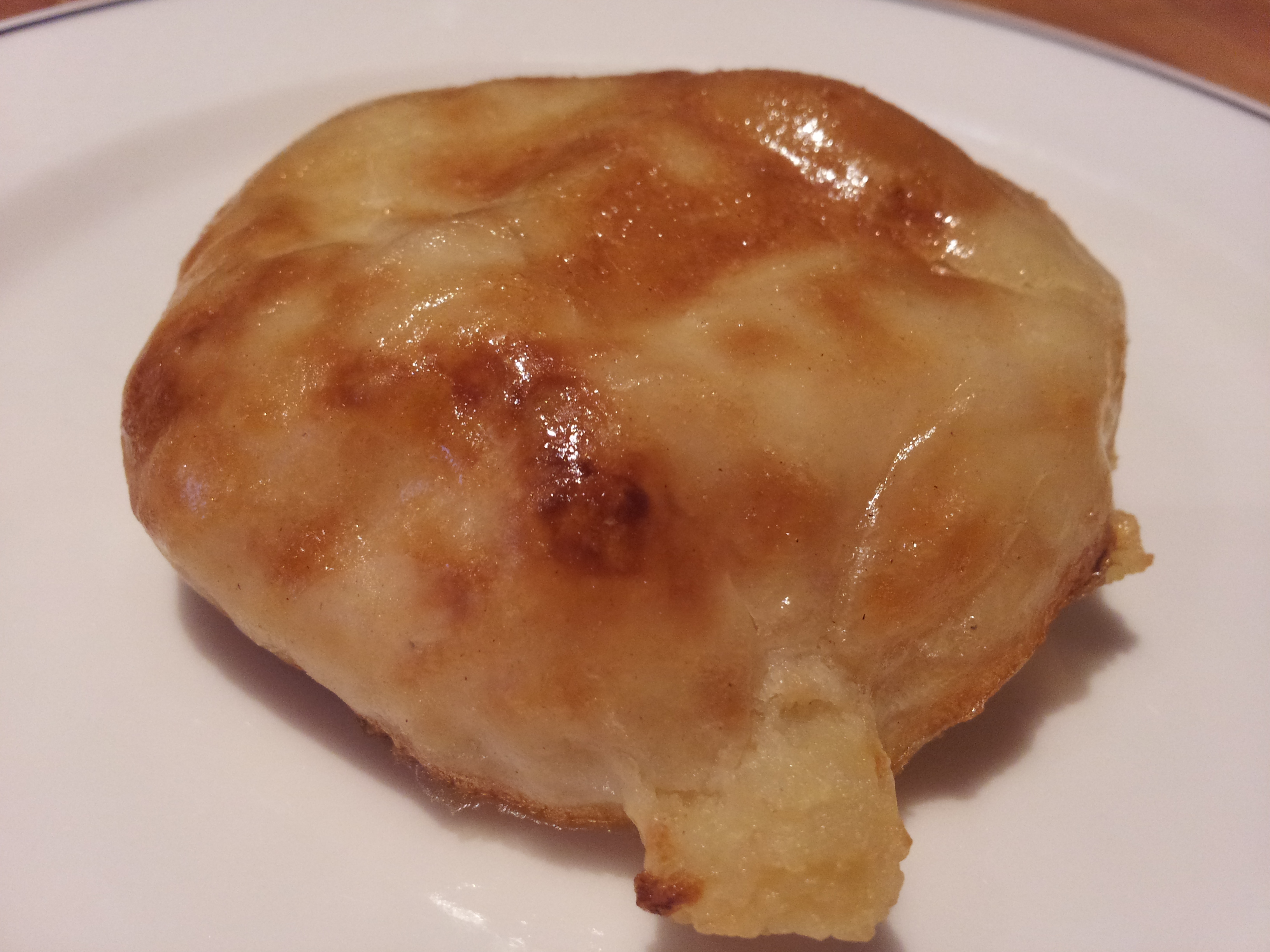
The baked Swedish Tea ring is a tempting sight with glitterring cinnamon peeking out from the dough (although not the most organised of rings it still looks inviting to me!)

Lemon Glace Icing

Once the ring cooled fully I whipped up a batch of lemon glace icing. It hides an enormous amount of irregularities and flaws, especially if you layer up your icing! Again I can;t say I followed Marguerite’s recipe exactly. I like a tart lemon flavour so I sloshed in a bit of lemon extract to give an extra punch to the icing. I also free poured the icing sugar and mixed it with enough lemon juice to create a runny yet thick icing. (This does take quite a bit of icing sugar!).

free pouring icing – balanced over a big mug

When the icing is just about right in consistency it should taste good (obviously!) not be gritty, the sugar should totally melt into the liquid and it should part when stirred in the bowl. (see the picture above) This means it’s starting to hold it’s shape a bit whilst still being runny to cascade over your tea ring and coat the cake in thick white goo.

iced and decorated Swedish Tea Ring

It’s best to pop your Swedish Tea Ring on some greaseproof paper (or a plate) before you pour the icing over it to catch the icing waterfall. It needs some time to dry and set. I iced mine just before bed so it had time to set over night before being deposited into it’s travel box. Please note you may need more than 2 hands and a palette knife to prise your cake from the paper after it’s iced!

The final Swedish Tea Ring

Mary Berry recommends decorating cakes in groups of threes. I didn’t have the traditional galce cherries in my cupboard but I always have a store of sultanas, hence the trio of sultanas dotted on each section of ring. It’s also best to add these decorations while your icing is still wet.

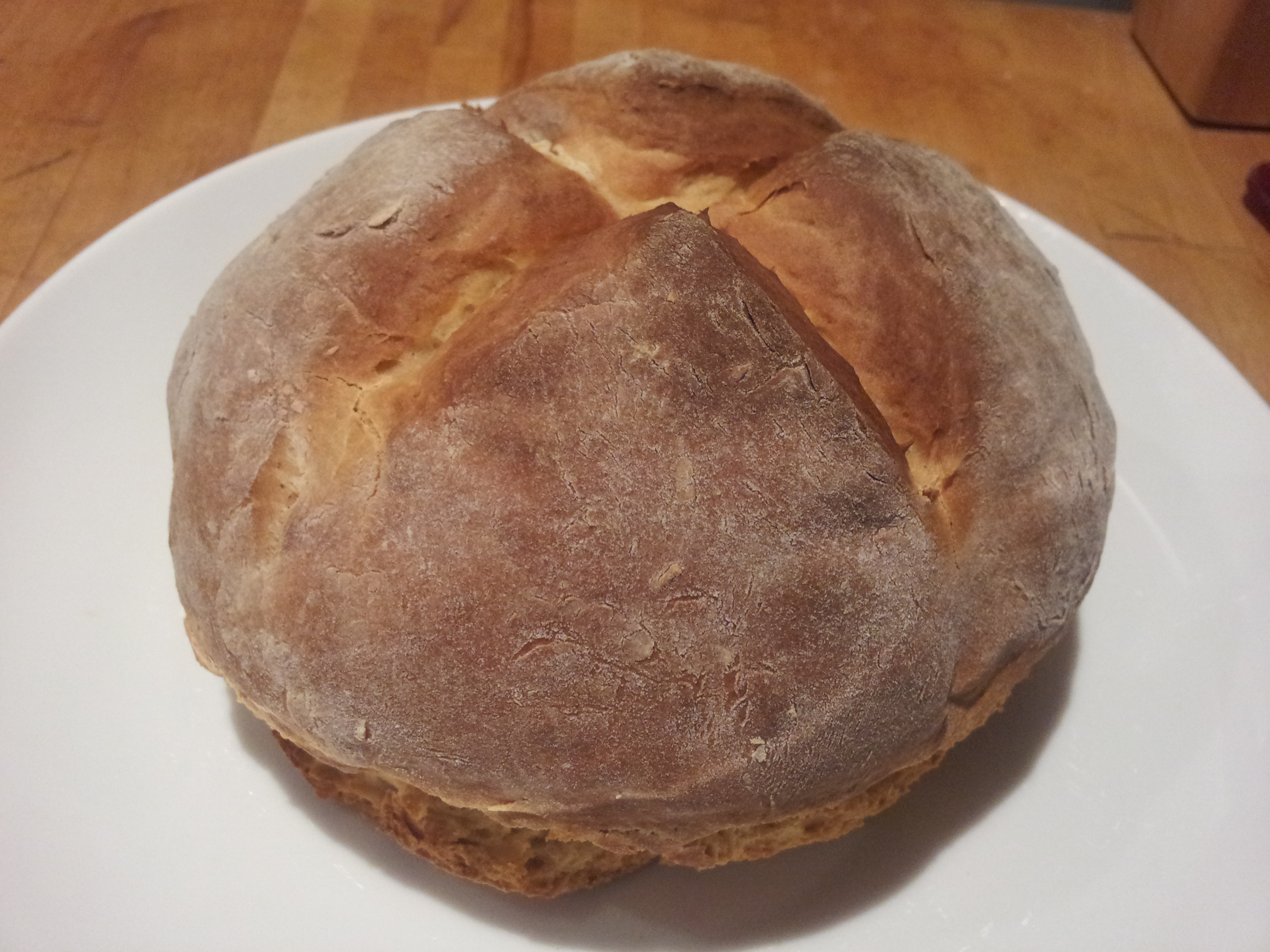
The Swedish Tea Ring in it’s rustic glory

I loved this bake. It was a pleasure to make, especially as I could spend an hour at a time doing each step making it a more manageable bake to do after work over 2 evenings. The contrast of the sharp and sweet icing against the warming cinnamon is so comforting, just what you need after a long drive in the winter night. Each slice reveals a beautiful cinnamon swirl…

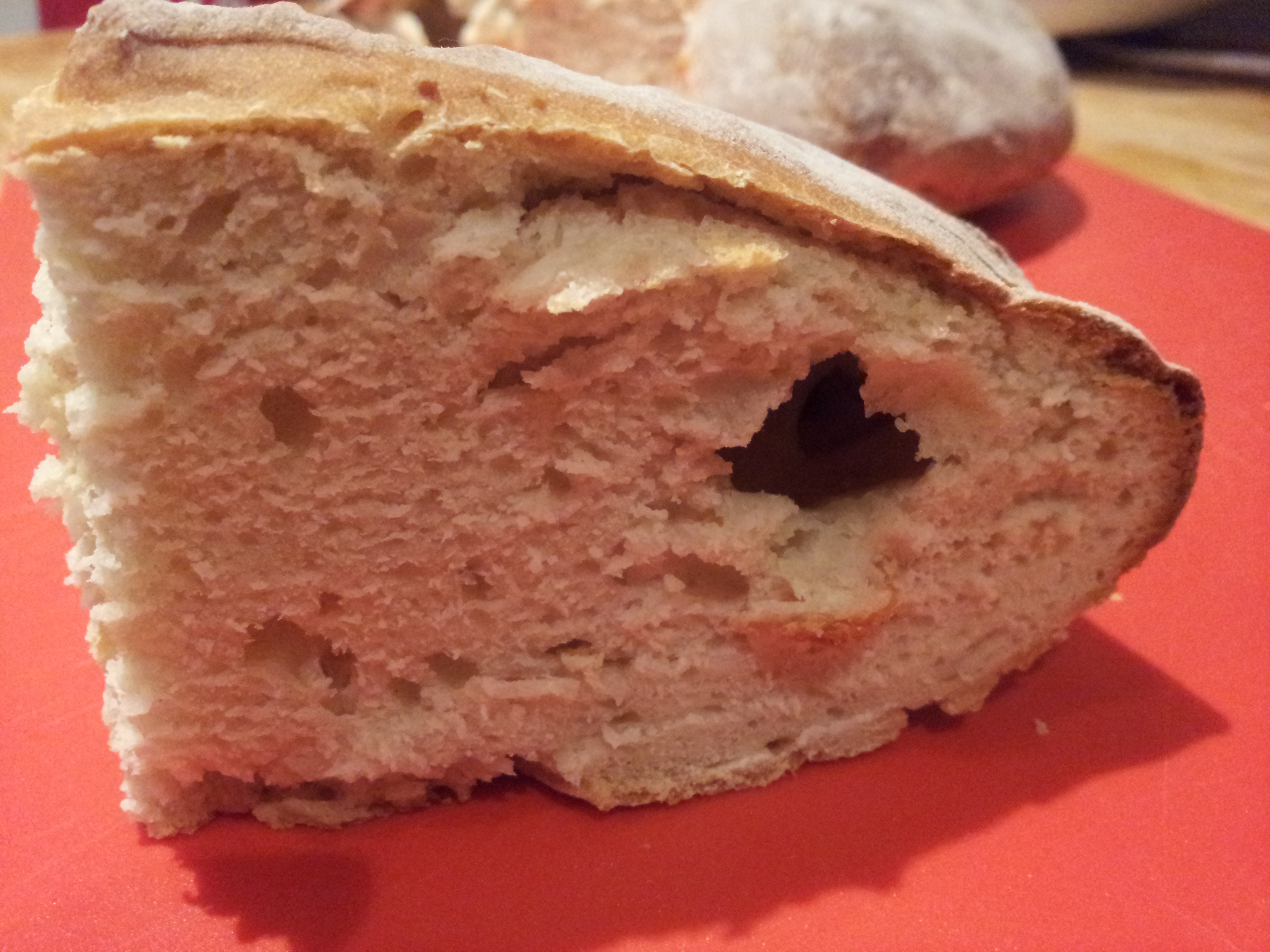
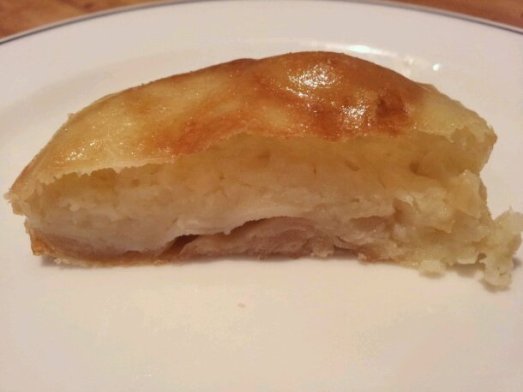
A cinnamon swirl in every slice

I can recommend it with a celebratory gin or a cup of tea. Whatever your preference, I think you’ll enjoy this one. I enjoyed seconds, and could have even squeezed in thirds if I wasn’t being polite!

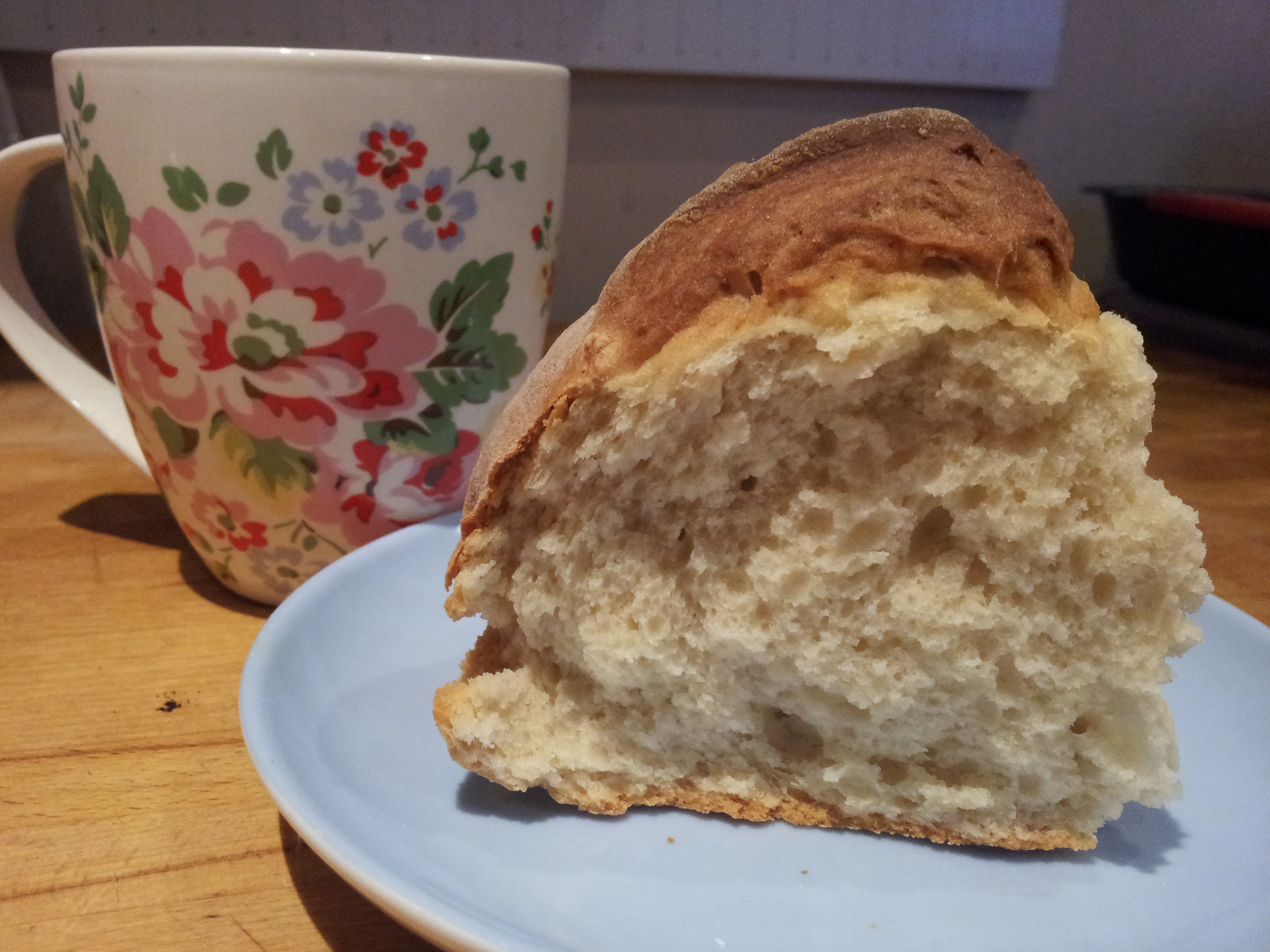
A chunk of Swedish Tea Ring

It was a good job I had baked my mini Swedish Tea Ring and froze it for later on that week for my friend’s house warming, as it then made a special appearance in a photo shoot for the Sunderland Echo who published an article on my Blog North Award. You can see the mini Swedish Tea Ring being balanced on a cake stand by me here

Double Swedish Tea Ring – Little and Large


Things I used to make my Swedish Tea Ring

1 quantity of Richer Yeast Dough

  • 7g of dried instant yeast
  • 3 oz sugar
  • 1 lb plain flour
  • pinch of salt
  • 3 0z butter/margarine (you choose)
  • 1 egg
  • just under 1/2 pint milk (room temperature)

Swedish Tea Ring

Use 8 oz of richer yeast dough to make one tea ring or the full quantity of richer yeast dough to make a larger ring (and a mini ring like me)

Filling

  • 1 oz melted butter
  • 2 oz brown sugar
  • 2 teaspoons of cinnamon (although I added enough to ensure the sugar was a dark brown colour…)
  • Sultanas to decorate (although it should really be glace cherries)
  • 30-35 minutes 350F, Gas mark 3-4 or 170 degrees C

Lemon Water (Glace) Icing

  • about 200g-300g icing sugar (you may need more to get the right consistency)
  • about 3-4 tablespoons of lemon juice
  • a good slosh of lemon extract (not essence)

41. Otto and Fanny’s Fijian Banana Cake

Welcome to Otto and Fanny’s

When choosing which island to visit in Fiji the Yasawas stood out a mile, mainly due to the lure of wonderful food at Otto’ and Fanny’s. We spent an entire week soaking up the scorching Sun, lounging in hammocks,

wandering down idyllic white sandy beaches,

The perfect beach

avoiding falling coconuts, going to bed when the electric was switched off and rising when the drums called us for breakfast. It was absolutely perfect.

Our beautiful straw bure – Home Sweet Home

In our straw bure, despite the cockroaches and millions of mosquitos, who can’t help but be happy when you’re being fed freshly caught fish which is so thick it was difficult to tell if it was fish or meat?

Bula Bula! Welcome to Fanny and Otto’s where the wine is  almost the same price as the water

And when the wine is (almost) cheaper than the water! Frankly I could spend my life sunbathing and eating if only the mosquitos didn’t love me so much…

Afternoon tea at Fanny and Otto’s was infamous with travellers making a special trip just to sample the delights. We ate banana cake and chocolate cake by the boat load with a hot cup of tea made from collected rain water.

What’s not to love?

The cake itself was worth the 5hour boat rude to reach the Yasawas. I haven’t been able to find the exact recipe to recreate the tremendous square slabs of banana cake but I reckon this one is pretty close. I also failed to take a photo of the cake in question! ( This was back in the day before I had a baking blog or the thought had even crossed my mind…)

Fijian Banana Cake

This cake is really quick to make and feeds a lot of people! It’s good by itself and even better with custard!

Step 1: Beat together the butter and the sugar until light and fluffy

I use an electric whisk to get the butter really fluffy. Keep whisking until it becomes a lighter colour – then you know it;s full of wonderful air.

2. The one handed egg crack technique – multi tasking to the extreme

Whisk in the eggs one at a time. It’s taken some practice but I’ve mastered the one handed egg cracking technique now. It makes this whisking so much quicker! Don’t worry if it starts to look like it’s curdling, just keep whisking. Don’t forget to scrape the sides of your  bowl with a spatula to make sure everything is incorporated into the batter.

Keep whisking… until it’s really fluffy

Whisk in the flour

Normally I would fold in flour to a fluffy egg batter to preserve the air content and ensure a light and tender sponge, however the recipe didn’t say to do this. I was feeling particularly lazy and the thought of washing another spoon saddened me. So I reckoned I could just keep using the electric whisk. After all when Mary Berry uses self raising flour in sponge cakes she whisks everything using her ‘all in one method’ and it always works!

Add the mushed up bananas

This cake is perfect if you have a few brown bananas that need to be used up. Mash up your tired bananas and add them to the mix. Again I was already using the whisk so I thought let’s carry on regardless. Let’s whisk these bananas up too!

Pour in the coconut milk

Coconut milk is a wonderful addition to this cake. Coconut and banana goes so well together! I added slightly more milk than the recipe asked for as I chose to use wholemeal flour, which is a bit drier than plain flour. It’s also more of a healthy option. I can’t pretend that I chose this purely for health benefits however, as I had a bag of self raising wholemeal flour that needed to be eaten. It worked beautifully!

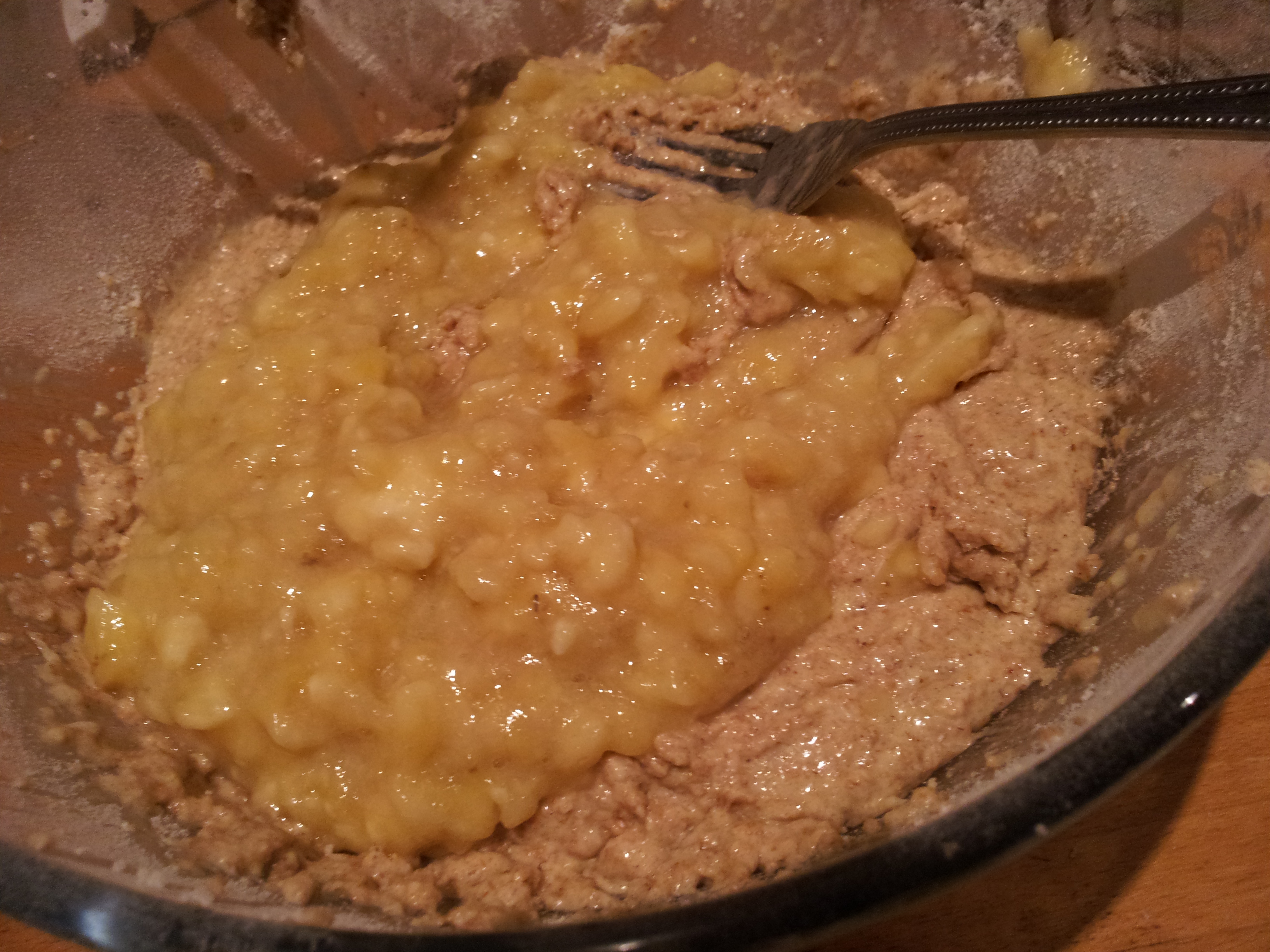
Whisk everything together into a liquid batter

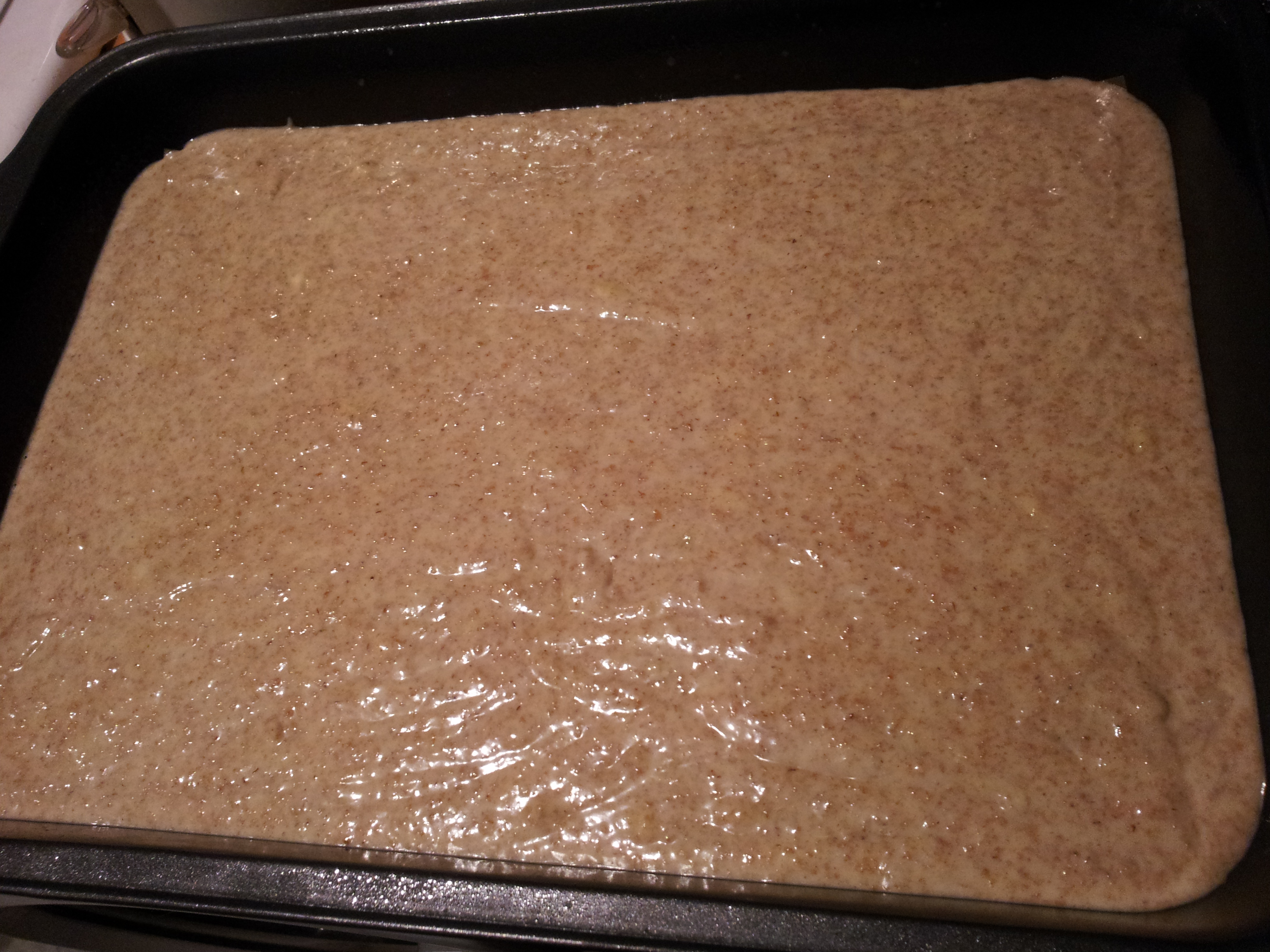
With the final whisk the liquid banana batter is ready for the oven. Don;t be alarmed by how runny it is! It means the mixture spreads out really well into all the corners of your tin. Producing a really smooth surface, which is pratically unheard of in my cakes.

Pre baking

A mere 40 minutes in the oven and you have a perfect slice of Fiji on your plate. This cake is amazing. It was wonderful straight from the oven but even better the following day all by itself. It developed a sweet gloss on the top after a day of rest in my cake box. It’s a beautifully moist cake and the added texture from the wholemeal flour gave it an extra dimension.

Golden Brown texture like sun

With slivers of banana making an appearance throughout the cake it makes a wonderful breakfast cake (but then again show me a cake not fit for breakfast!), a mid afternoon pick me up or a full on pudding with custard/ice cream. Just take your biggest knife and chop it into rectangular slabs and devour.

Otto and Fanny’s Fijian Banana Cake

It just so happened that I was preparing for another race (post Great North Run!) The Edinburgh Great Run 10k and bananas a my favourite running fuel. This is now my favourite running cake. Delicious and nutritious.

Bananas and custard – so comforting

Things that I used to make Otto and Fanny’s Fijian Banana Cake

Serves more than 20 (small -ish portions)

  • 2 cups sugar
  • 4 table spoons butter
  • 4 eggs
  • 5 cups of wholemeal or normal self raising flour (If using plain flour (all purpose), add 5 teaspoons of baking powder)
  • 1 ½ cups of milk or coconut milk (add a bit more – 1 can of coconut milk – if using wholemeal flour)
  • 4 bananas
  • one deep rectangular baking tray (approx 9cms by 25cm)
  • bake for 40-45 minutes at about 170 degrees c

Wish you were here

34. Chinese Egg Yolk Sponge Madeleines

What do you do with all of those egg yolks where you’re making macaroons? (Or in my case breaking an entire batch of macaroons??) Well I suggest you make some Chinese Egg Yolk Sponge Cakes, in the shape of Madeleines (of course, any excuse to use my favourite new tin!)

Chinese Egg Yolk Sponge Madeleines

I’ve eaten a lot of sponge cake in China and sampled a few egg yolk sponges at my favourite Chinese Bakery, Bread Point, in town. It’s not half as eggy as it sounds. In fact they are a lovely light and moist sponge cake. Almost like a Madeira Cake but a bit richer.

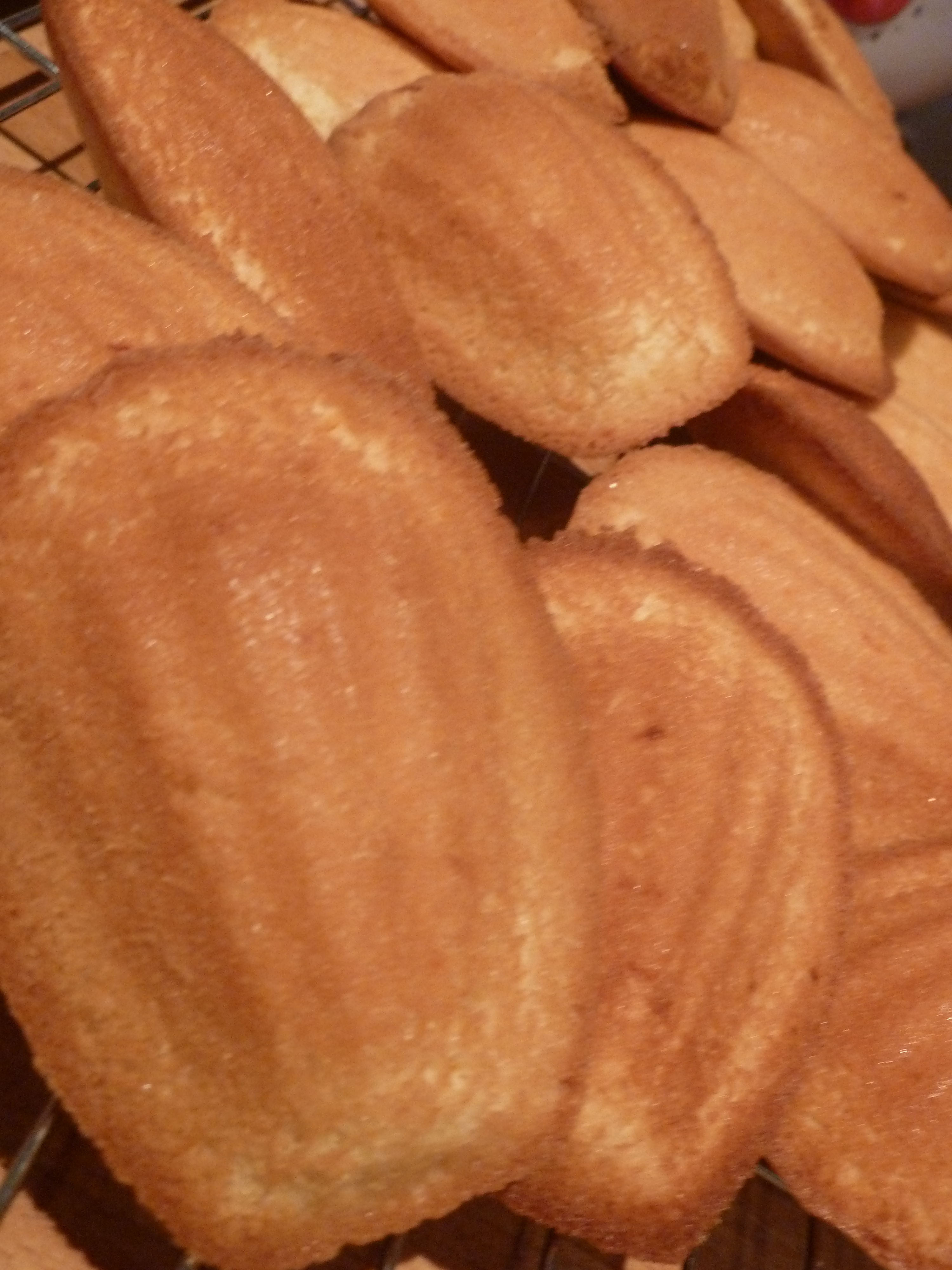
Up close and personal with Madeleines

In a bid to use up everything that I have in my fridge and cupboards I went on a baking spree. Baking 3 types of cake simultaneously, for my Mam’s birthday. I succeeded to use up EVERYTHING, and then went for a run in the rain. (I have to keep squeezing them in every chance I get!) What an achievement for a rainy Jubilee Bank Holiday weekend. Although I forgot to actually bake anything regal or jubilee related.

As I had used up the egg whites having another bash at macaroons I had 3 egg yolks left over to create the Egg Yolk Sponge Madeleines.

I started by whisking the egg yolks and whole egg together with my food processor using the whisk attachment for about 5 minutes until they became thicker and lemony coloured. (You could of course use a hand held electric whisk instead, I just used this as I already had it to hand from macaroon making…) This creates a lovely warm yellow liquid with all those egg yolks in it!

Fluffy and yellow and frothy

While the mixer is running, add the sugar gradually to the eggs and continue to whisk the mixture for about 10 minutes. While the mixer is running if you have your hands free, you can then use the time to measure out and  sift together the flour, baking powder, and salt in a separate bowl.

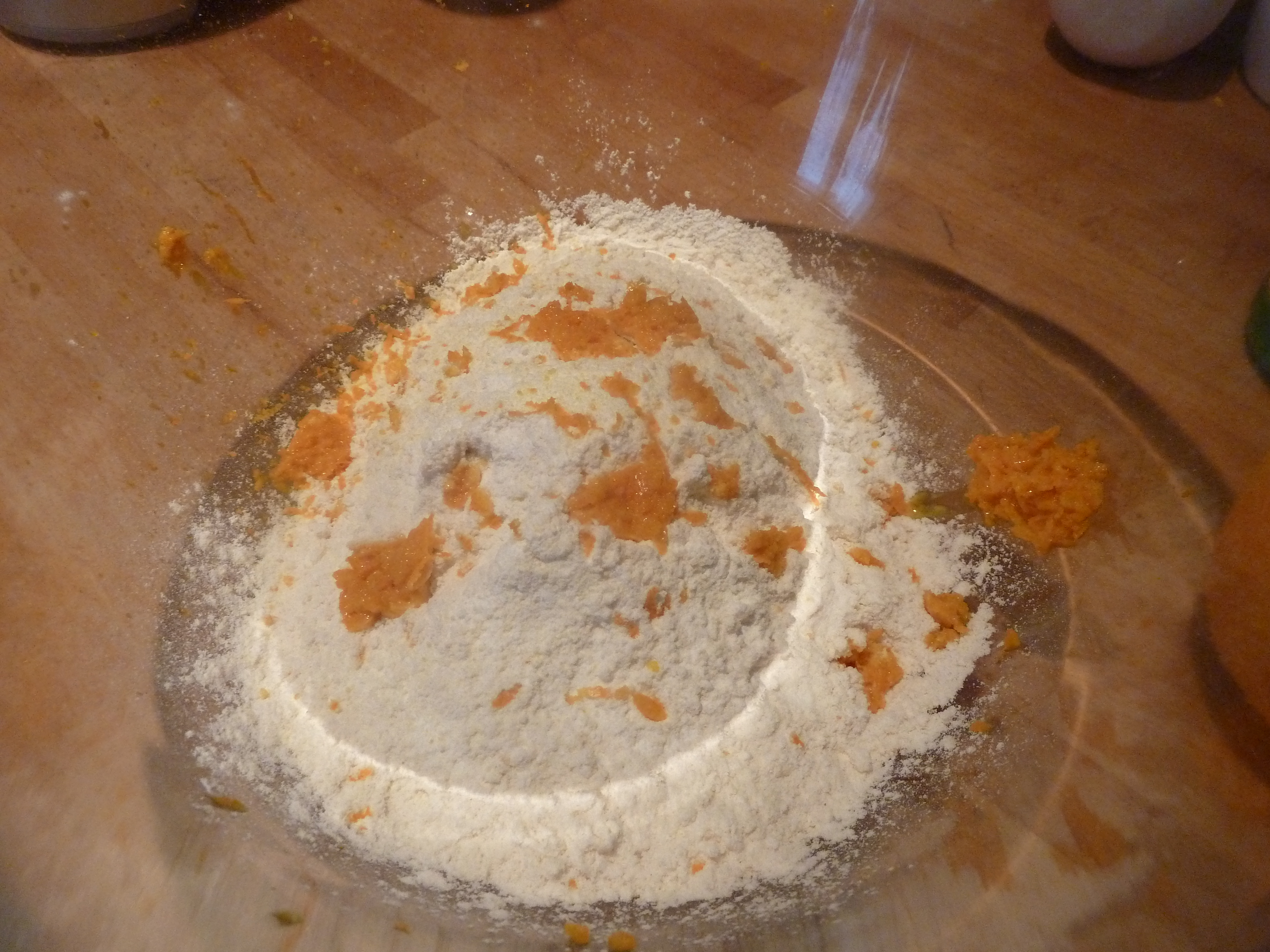
Breaking the rules and adding the orange zest to the flour

Admittedly I erred from the recipe at this point. I added the zest of an entire orange to my dry ingredients rather than folding them into the wet mix… I don’t think this made the slightest bit of difference, other than I could stir the flour more vigorously without the fear of knocking all of that wonderful air out of the eggy batter. I also couldn’t be bothered to juice my orange, so took the lazy option of adding some lemon juice that I had in the fridge already. Hopefully this added to the citrussyness of the sponge.
I then continued folding in the orange extract and lemon juice. I was also in a hurry so didn’t bother to sift the flour into the mix, but rather opted for the ‘all in’ method. Dumping all of the flour into the egg fluff and folding it in with a metal spoon.
I read somewhere that bakers are divided on this sponge making method. Some say to fold in a third of the flour at a time with a metal spoon to keep in all that lovely air in the whisked eggs. Others say put it all in, in one go, to minimise the amount of folding you have to do, but don’t drop the mixture into the eggs from a height as this will knock out the air. I have tried both methods and I think I have to agree with the latter. And it was quicker too! Whichever sponge making method you prefer the golden rule is always do not stir or beat the mixture and fold with a metal spoon to cut through the mixture. What do you prefer??

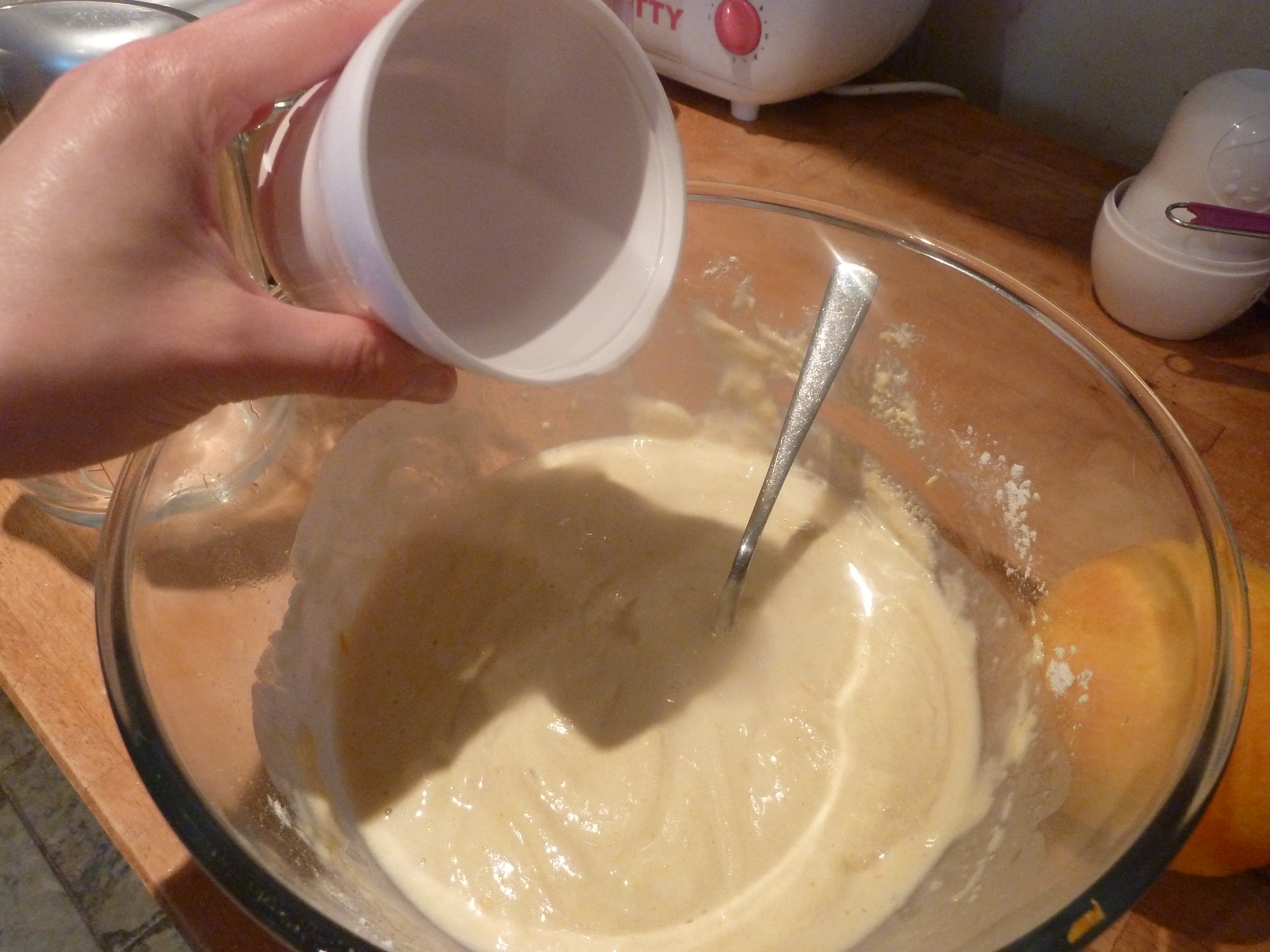
Folding in the boiling water one Russian Doll cup at a time

Then last but not least all that is left is to fold in the boiling water carefully to produce a fluffy and luxuriously thick batter.
I found it much easier to squirt the batter into the Madeleine tin last time and have now perfected my method…

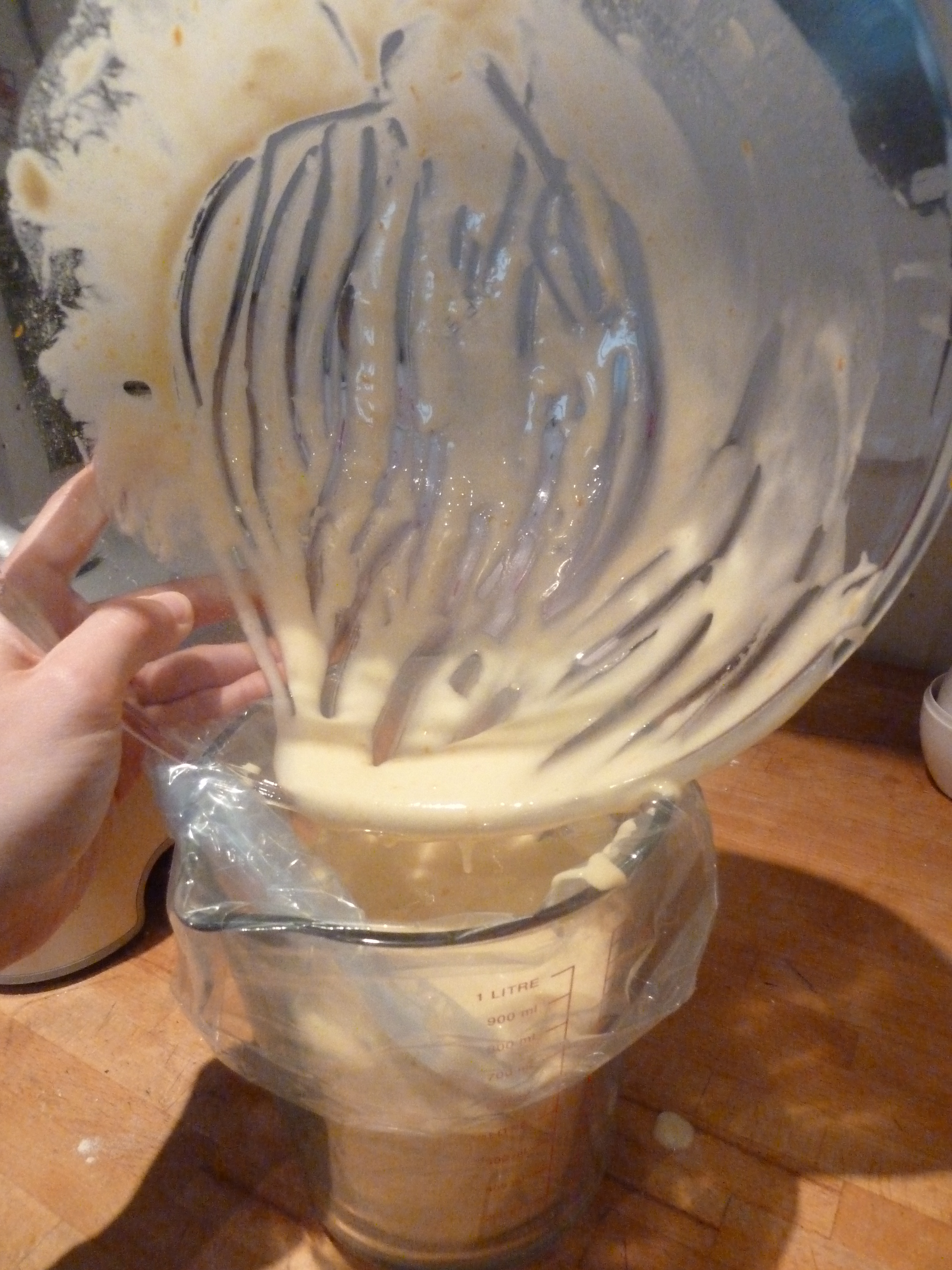
Step 1. Carefully empty the batter into a plastic sandwich bag opened over a measuring jug. The jug helps to support the bag and you can fold the bag down over the edges. I also balanced the bowl onto the wide jug neck so to reduce how far the batter had to travel (and preserve the air content!). it also means you can get the spatula out and encourage the rest of the batter into the bag.

The jug helps to support the bag and you can fold the bag down over the edges. I also balanced the bowl onto the wide jug neck so to reduce how far the batter had to travel (and preserve the air content!). it also means you can get the spatula out and encourage the rest of the batter into the bag.

Step 2. Clip the sandwich bag shut with a peg or tie a knot in it so all the batter falls into one corner of the bag. (Hey presto an improvised and cheap cheap piping bag!)

Step 3. Snip the corner off the ‘piping bag’ and you’re good to go! Squeeze the bag gently to release an even flow of batter into your pre greased tin and use your spare hand to put your finger over the ‘nozzle’ when you have piped enough mixture into each portion of the Madeleine tin. Less mess and no waste!

I  found this much easier and quicker than trying to spoon the batter into the tin as it went everywhere and left lots of mess on the tin too. Don’t forget to grease your Madeleine tin well (I love my quick release spray!) and only fill each Madeleine well one third of the way up so they have room to expand. If you over fill, they will spill out and burn.

Egg Yolk Madeleines ready to bake – look at those flecks of orange!

Leave the tray on a flat surface to settle and let gravity do its job. The mixture will spread and level out, filling all of the shapely Madeleine grooves. You probably won’t need to put as much batter into each well as you think, but this allows you the option of topping up any wells that look a little low.

Baked Egg Yolk Madeleines

Bake the at 325 degrees F (165 degrees C) for 10 to 15 minutes. (You can make one large cake with this recipe but you will need to bake it for 60-65 minutes)
After allowing them to cool for a couple of minutes in the tray, turn the Madeleine tray over onto a wire rack and let the Madeleines fall out. Leave them to cool completely on the wire rack and re grease your Madeleine tray and pipe another set of Madeleines into the wells. This recipe is enough for a batch of 24 Madeleines. If you have any problems getting them back out of the tin, gently coax the edges with your fingers or while the tin is upside down gently tap it. They will eventually pop out, unless the tin hasn’t been greased enough…

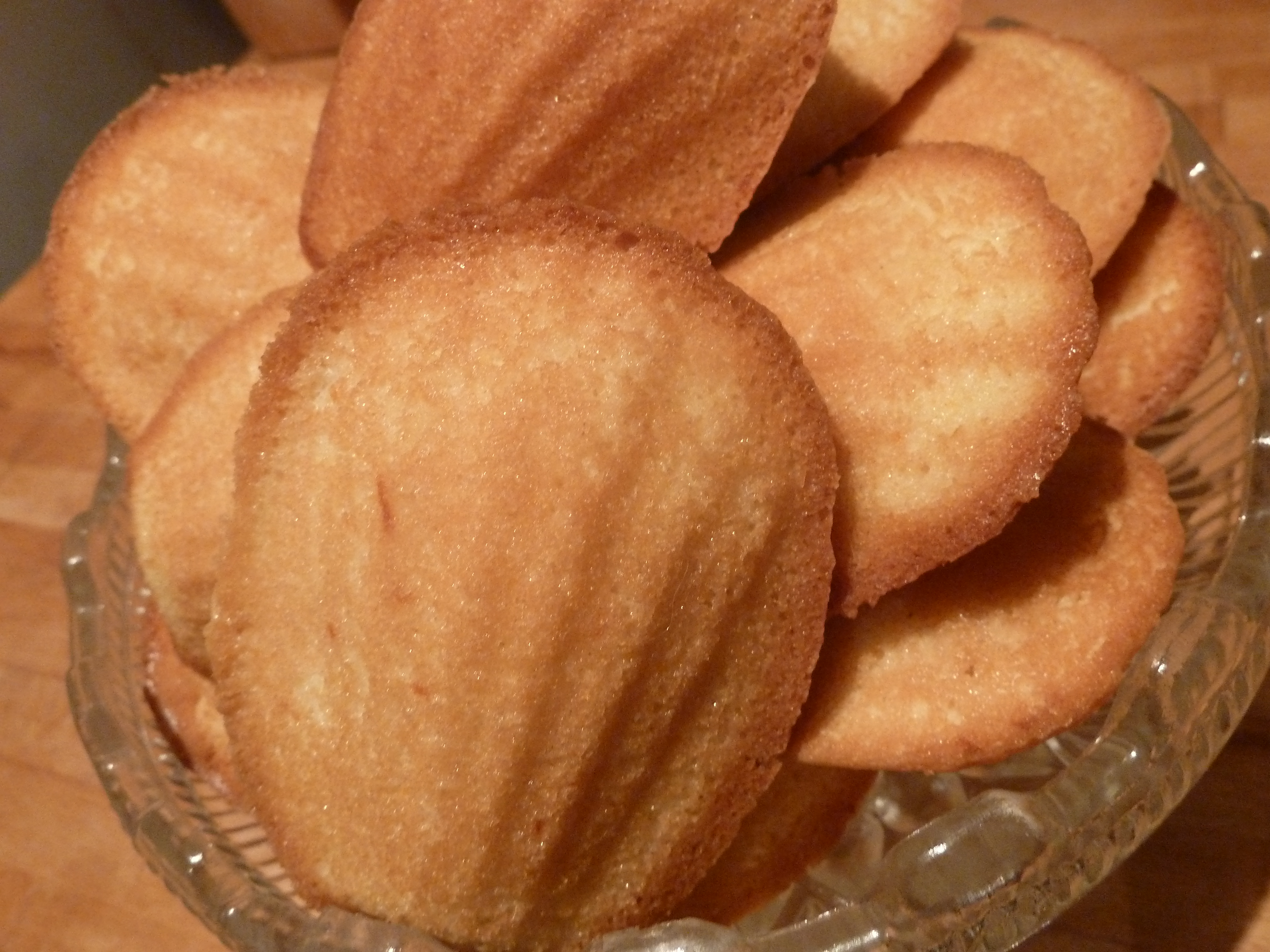
Cooling down nicely – Egg Yolk Madeleines

I really love these cakes so zesty and sweet. Having baked them in the Madeleine shape, they have a wonderfully light and soft centre with a golden crust, with a nice bite to it. Not dry or tough in the slightest. I will be making these again for sure.  They are traditionally baked as round cakes or one large cake but I quite like how portable and hand sized the Madeleines are easy to eat on the move with a good cuppa!

Orange Egg Yolk Madeleines

If you’re feeling fancy you could even dust them lightly with confectioner’s sugar or frost with Orange Butter Frosting. But I think I prefer to see the shapely grooves of the Madeleine.

Mountains of Madeleines

Things that I used to make Chinese Egg Yolk Sponge Madeleines…
This was enough to make 24 Madeleines ir you could make one large round cake with this recipe
  • 1 2/3 cups plain flour
  • 1 1/2 teaspoons baking powder
  • 1/2 teaspoon salt
  • 3 egg yolks
  • 1 egg
  • 1 1/2 cups white sugar
  • The zest of 1 large zest
  • 1 tablespoon lemon juice
  • 1/2 teaspoon orange extract
  • 3/4 cup boiling water
  • Preheat oven to 325 degrees F (165 degrees C).
  • Bake madeleines for 10-15 minutes

** This recipe was lovingly adapted from the All Recipes website

27. Paul Hollywood’s Peshwari Naan Bread – India

Paul Hollywood’s Naan Bread

Rolling on to India and bake number 26! (All this baking is taking its toll! I’m now increading my exercise to 15 miles of walking a week, Ashtanga yoga and the occasional spin class/torture session.) But I love food and I love naan bread, particularly Peshwari Naan but then again who doesn’t love a good Naan? And not just any Naan bread but Paul Hollywood’s, the King of bread bakers, Naan bread?

Looking for the perfect accompaniment to my home made dahl and pilau rice I stumbled across the Paul Hollywood recipe I’ve been saving for a special occasion. Any excuse to whip out my trusty food processor too! I combined the flour, yeast, salt and oil and mixed it all up using the dough hook attachment, adding water until it became a good sticky dough.

The food processor alone was not enough to knead the dough properly and the food processor was about to leap off the worksurface with the sheer effort of spinning the dough. I had to admit defeat and resort to my own hands.

Shiny Happy People – Kneady Stuff

I kneaded the dough for about 10 minutes on an oiled surface, to stop it sticking, which is so much easier than a floured surface. Until it was smooth and shiny and bounced back when pressed lightly. It’s times like these that I wish I was 2 inches taller so I didn’t have to knead the dough whilst teetering about on my tip toes to get the right force required!

Time to Prove

Whilst the dough proved under it’s oiled cling film covering I set to work on arranging my naan flavours. Paul Hollywood’s recipe called for caraway seeds and coriander. Unable to follow any recipe without substituting something or ad libbing somewhere, I decided to attempt a Peshwari Naan, guessing that I could throw some crushed garlic, spices (coriander, cumin and cardamom seeds), raisins and coconut into the mix and it would produce Peshwari Naan. Upon opening the cupboard I found dried fruit store severely depleted! My normal store cupboard staple, raisins, were nowhere to be found! (I forgot earlier in the week I bought an extra double amount to feed an entire litre of rum to for a very special future bake! All of my dried fruit is currently sitting patiently soaking up lashings of rum. All will be revealed soon!)

Naan Flavourings: Coconut, Garlic, Coriander, Cardamom Seeds and Cumin

Slightly disappointed I ploughed on with a combination of coconut, half a bulb of crushed garlic, dried coriander and cumin instead. Noting I must buy more dried fruit as soon as possible.

Risen to perfection

After about an hour of rising, (near the hot hob on the stove while I was cooking a chicken and vegetable dahl to encourage the dough to prove) the dough had doubled in size and was ready to be flavoured! I added the flavours a third at a time and kneaded them thoroughly through the dough.
Flavoured and divided

Once all the coconutty goodness was distributed evenly throughout the dough I rolled it into a fat sausage to chop it into quarters. Each quarter of dough should then be cut in half and flattened. Paul Hollywood is obviously a bit more of a perfectionist than me as he insists that a rolling pin is required to flatten the dough portions out. I can’t believe that people in India whip out a rolling pin at this point and so I decided to do all this flattening with my bare hands. Which did mean that my first attempt was more like a paperback novel than a fluffy, naan bread.

Stacks of semi flattened naan bread dough – must be flatter than this before hitting the pan!

I re-read the recipe and realised that the dough should be stretched into circles about 25cm in diameter, probably twice as big as my inital attempt! This explains the chunky naan brick that I produced.

Chunky Naan

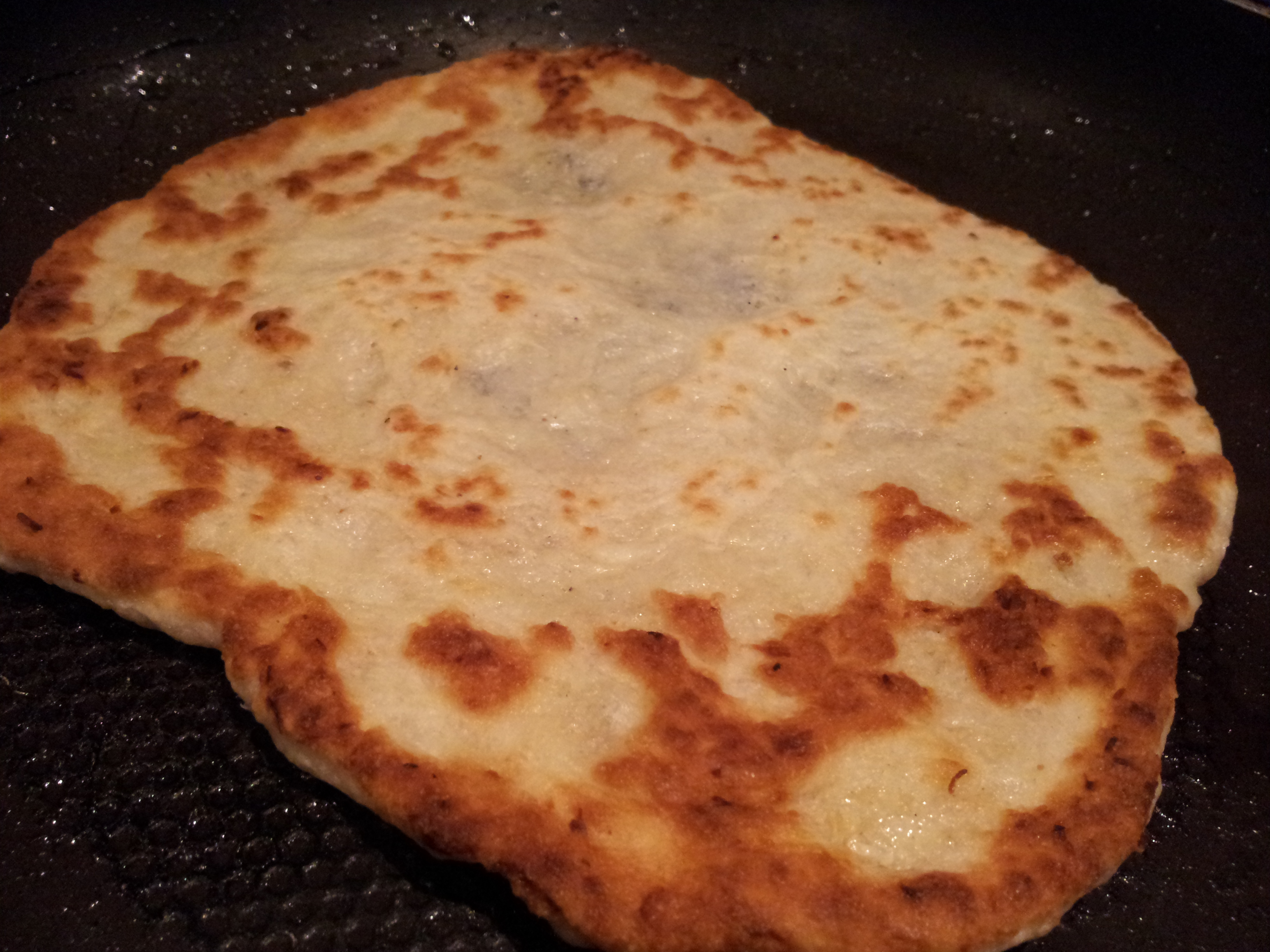
Once flattened the dough has to be rested again for 5 minutes before plopping them (individually) into a hot pan with a splash of oil. I quite enjoyed the sizzle of the naan in the oil as the naan immediately puffed up and bubbled away happily in the pan. Then a quick flip over to sizzle it on the other side too. I was worried the coconut would all fall off as I got a bit bored whilst frying up the naans and decided to press some more coconut and coriander into the awaiting naan breads. I’m not sure if Paul Hollywood would approve of my inconsistent making-it-up-as-I-go-along approach but hey they were looking golden and lovely in the pan, so why worry about presentation and consistency now?!

Naan -ish and Golden (look at those bubbly edges!)

Once the naan is golden brown on both sides, it’s ready to hop out of the pan on onto a plate. I continued pan frying all 8 of the naans, piling them high on a plate ready to be devoured with daahl.

Stacks of Naan

Tea time! It smelt amazing, although a tad smokey in my kitchen as I definitely had the heat up too high on the pan. The windows had to be opened to get rid of the haze in order to see at one point. But other than my carelessness when it comes to fire safety, this recipe was a resounding success. I did slightly chargrill (burnt) one naan and created a naan brick, but I still had 6 more naans to get the technique right with. When I eventually got it right, I really got it right!

Chargrilled Naan

The bread was fluffy and light around the edges with thinner crispier bits towards the middle, where I had possibly been a bit over enthusiastic with my thinning process. I quite liked the texture and it was a good call to add an extra layer of coconut before frying the bread as it toasted on the top. Lovely! I’ve frozen the rest of the batch after we had eaten our share, to be defrosted in naan bread emergencies, of which I’m sure I will have many.

Tea Time! (The naan was so massive I couldn’t fit it all on the plate or in the photo…)

The recipe, just in case you would like to try it is…

    • 500g/1lb 2oz strong white flour
    • 10g/¼oz salt
    • 15g/½oz fresh yeast
    • 30ml/1fl oz olive oil
    • water, to mix
    • 1 tsp cumin seeds (I substituted this for – the crushed seeds of 4 cardamom pods)
    • 1 tsp caraway seeds (I used a generous 1 tsp of dried coriander and 1 tsp cumin)
    • I then added further to Paul’s recipe with 1/2 a cereal bowl of coconut (sorry its a very rough guestimate, my usual measurement unit)

You can also find the full Paul Hollywood Naan Bread recipe on the BBC Food website.

Paul Hollywood’s Naan Bread Recipe

26. The 10 Minute Irish Soda Bread Challenge – Ireland

Soda Bread

I’ve heard pretty good things about soda bread but never have I attempted to make it myself. I discovered a recipe from Ballymaloe House in Ireland, in my food processor cookbook that appeared to be very straight forward. Promising to only require 10 minutes preparation and 40 minutes cooking! I took on the 10 minute soda bread challenge and set to work.

This was actually very quick and dare I say it… Easy to bake! With very little kneading or washing up required. Hurrah!!

I literally whacked everything in the food processor…

  • 450g of plain flour (not bread or strong flour)
  • 500g of plain live (active/cultured) yoghurt (or alternatively you can use 350-425ml of buttermilk)
  • 1tsp Bicarbonate of Soda
  • 1tsp salt
  • 1tsp sugar
  • A glug of double cream (just because I needed to use it up)

… and set it to high for a couple of minutes using the dough hook attachment. You could use a bowl and a spoon or even just your hands to combine it all together into a runny, floury mixture.

Once it all comes together the challenge is to remove the sticky mess from the bowl in one swoop and not get coated in runny flour mess. I failed on this count and had to deploy a spatula to encourage the mix out of the bowl.

I tipped it out onto a lightly floured surface (also known as my glass worktop protector thing). Adding more plain flour to the board until I could bring the dough together without it adhering to my hands.

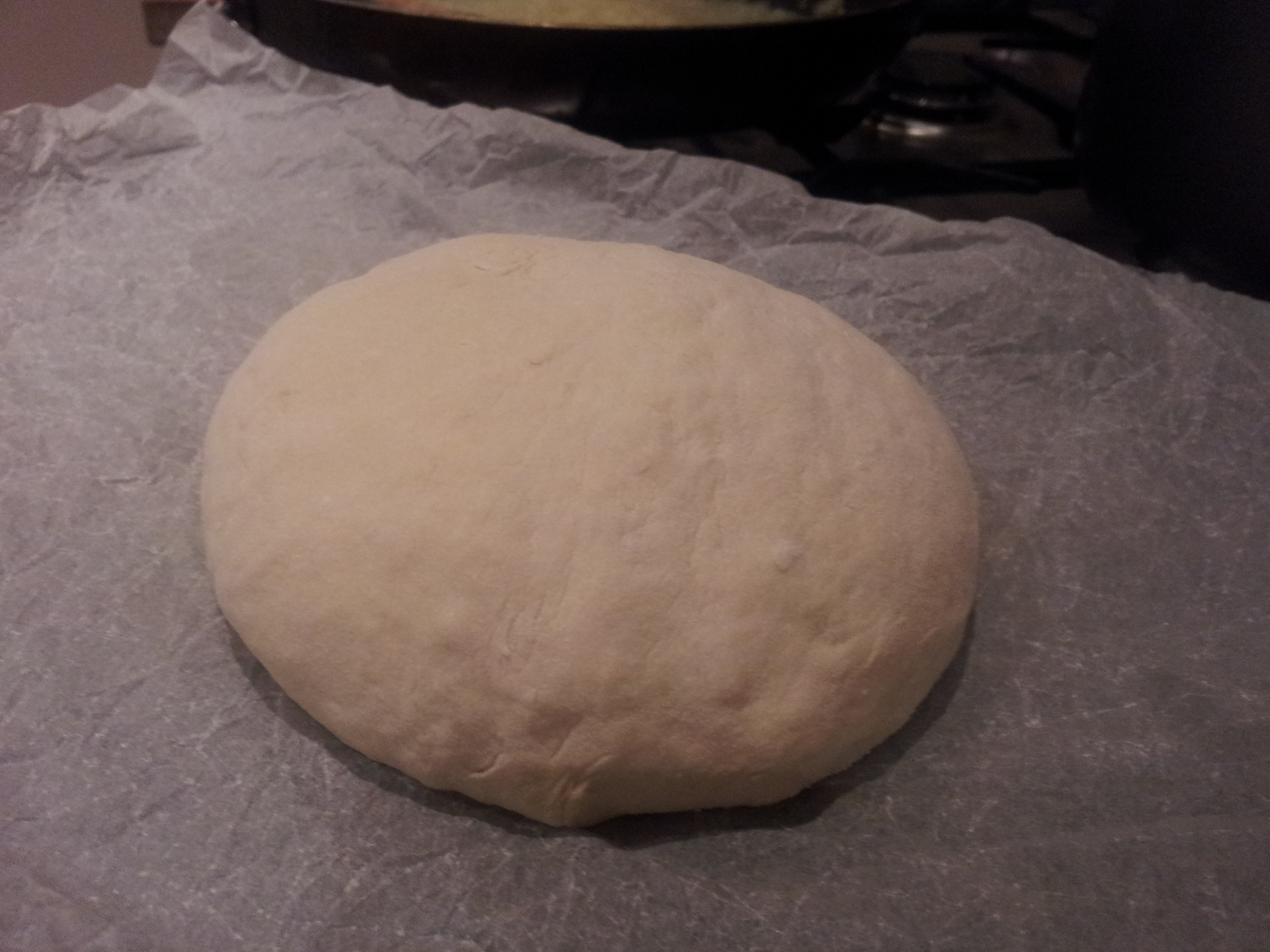
Once it starts to take shape all it needs is some encouragement, folding and lightly kneading the edges into the middle to form a round dough shape about 4 cm deep.

Flattened circle

I greased and floured a flat baking sheet and plopped the smooth circle of dough (folded edge down) onto the sheet.

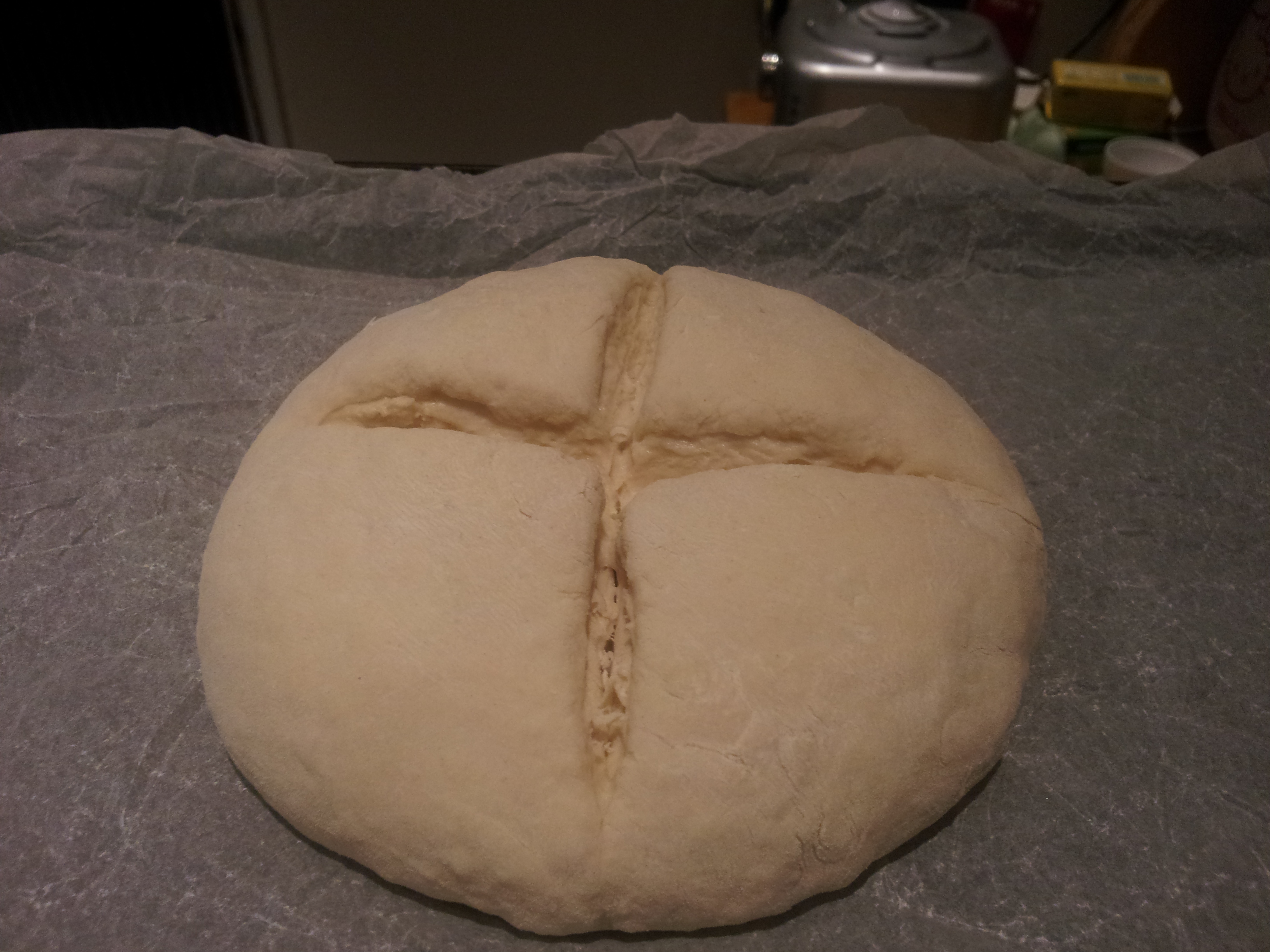
Challenge complete in less than 10 minutes!! Taking my sharpest knife I cut a shallow cross into the top of the loaf and teased the edges out slightly so the cross was more defined. The cross helps the heat penetrate the loaf and cook evenly throughout. Irish folklore also says that that the cross lets the evil spirits out. Good to know.

Criss Cross

Into the oven it went for 10 minutes at 230 degrees c. (gas mark 8). While the oven was heating up I popped a roasting pan in the bottom to get really hot. Then just before shutting the oven door I threw a cup of cold water into the pan to create some steam and a soft crust on the bread. Perfect! (I love this tip – thank you Holly Bell)

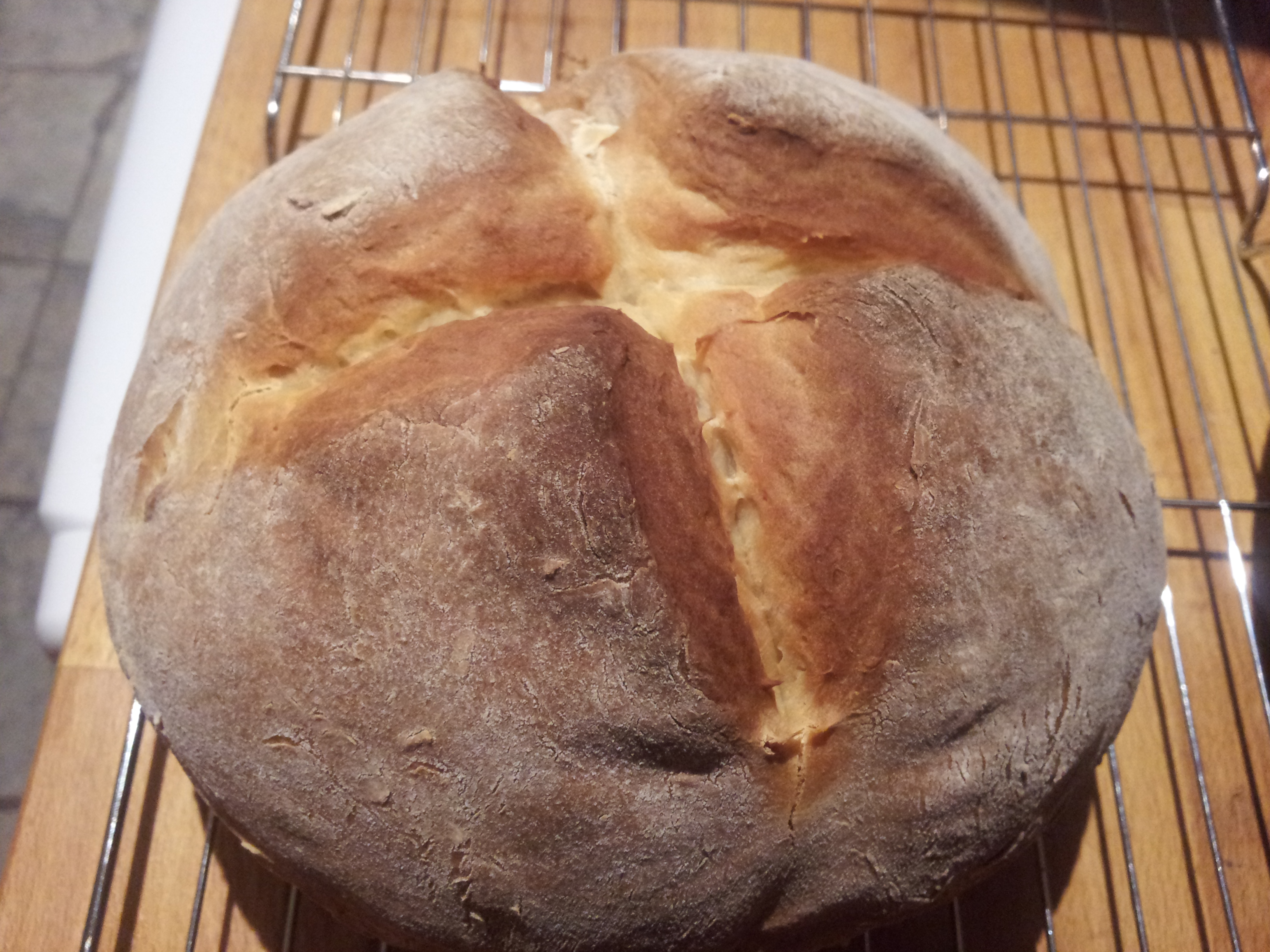
After 10 minutes I turned the oven down to 200degrees C (gas mark6) and baked for 30 more minutes until the crust was golden brown and the loaf sounded hollow when tapped on the bottom.

Risen

What a result!! I was astounded that a yeast free bread rose so much! It doubled in size and didn’t need any proving or strenuous kneading either! Amazing result for so little effort. It smelt amazing and tasted a bit like a cake too. What could be better than a bread/cake hybrid?!

One hunk of Soda Bread

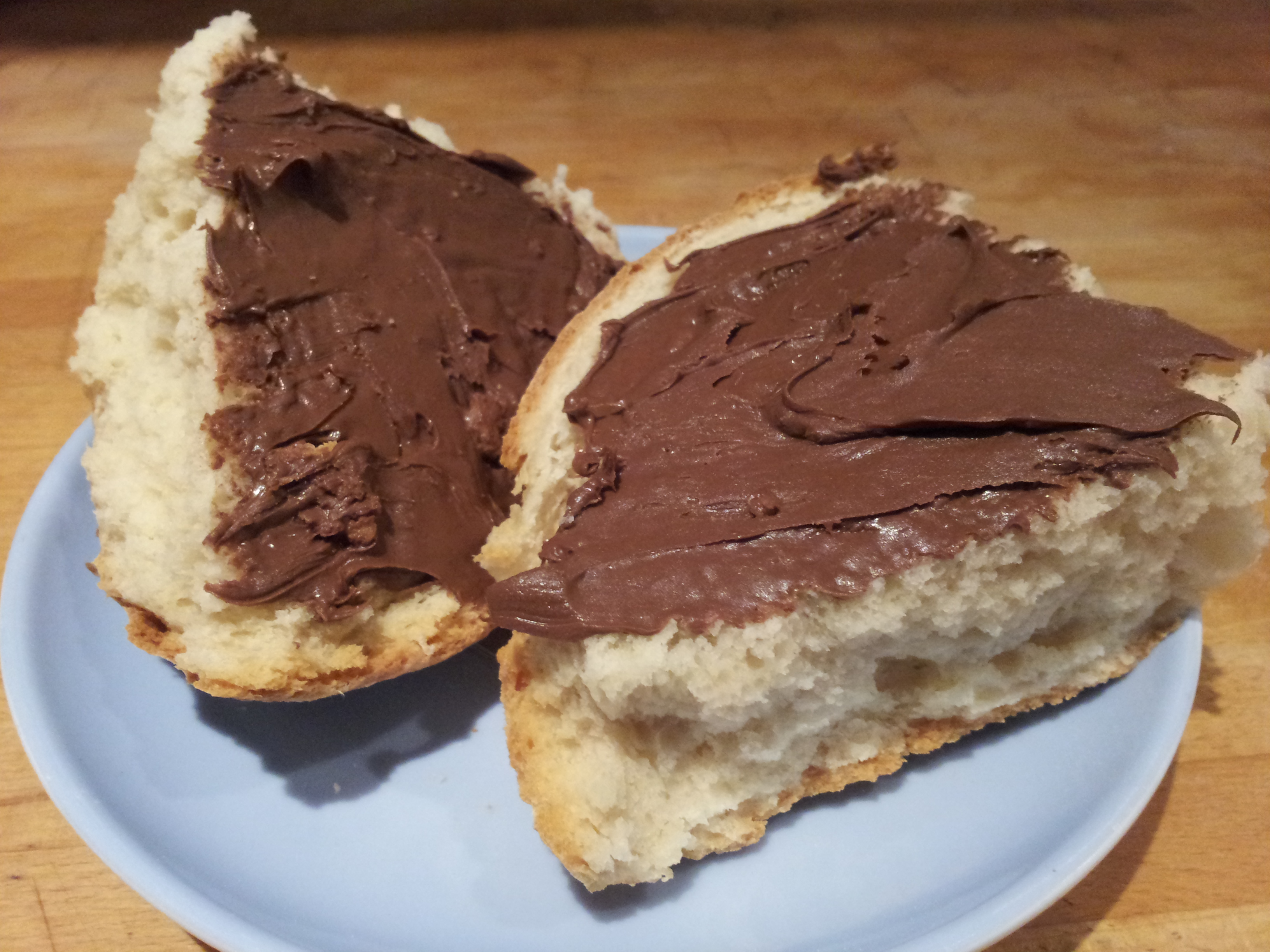
We ate this for breakfast one weekend and I loved it. I could happily eat it without any butter as it’s so moist, but I did put nutella on it (it was Saturday after all). This loaf should serve 4 and is best eaten fresh which is a good thing as I devoured a quarter of the loaf chunk in one sitting.

with lashings of Nutella?

I loved it so much I made it again however I was obviously a bit complacent after my initial success. I used plain yoghurt which wasn’t active but a little past it’s best, assuming this would mean it had grown some cultures. I guessed wrong as this time it didn’t expand as impressively and I was a little disappointed by its lack of height. I will be baking it again but following the recipe properly next time! If you haven’t baked it before I really recommend it! And please let me know how you get on!

The slightly deflated second attempt…

*Recipe taken from Kenwood Creative Food Processor Cooking Book, by Becky Johnson. Thanks!

Irish Soda Bread

<!– Include ONCE for ALL buttons in the page –>

(function() {     window.PinIt = window.PinIt || { loaded:false };     if (window.PinIt.loaded) return;     window.PinIt.loaded = true;     function async_load(){         var s = document.createElement(“script”);         s.type = “text/javascript”;         s.async = true;         if (window.location.protocol == “https:”)             s.src = “https://assets.pinterest.com/js/pinit.js“;         else             s.src = “http://assets.pinterest.com/js/pinit.js“;         var x = document.getElementsByTagName(“script”)[0];         x.parentNode.insertBefore(s, x);     }     if (window.attachEvent)         window.attachEvent(“onload”, async_load);     else         window.addEventListener(“load”, async_load, false); })();

<!– Customize and include for EACH button in the page –> <a href=”http://pinterest.com/pin/create/button/?url=http%3A%2F%2Fprinceproductions.wordpress.com&amp;description=Around%20the%20World%20in%20Eighty%20Bakes%20“>Pin It</a>

From Herman with Love – Herman the German Friendship Cake

From Herman with Love

After many days of feeding and stirring good old Herman II it was time to mix him up into a sourdough frenzy. After halving the original starter and sharing the other half I was at the correct level of Herman to pretend that I had been given a starter by a friend and follow the instructions to create the cake…

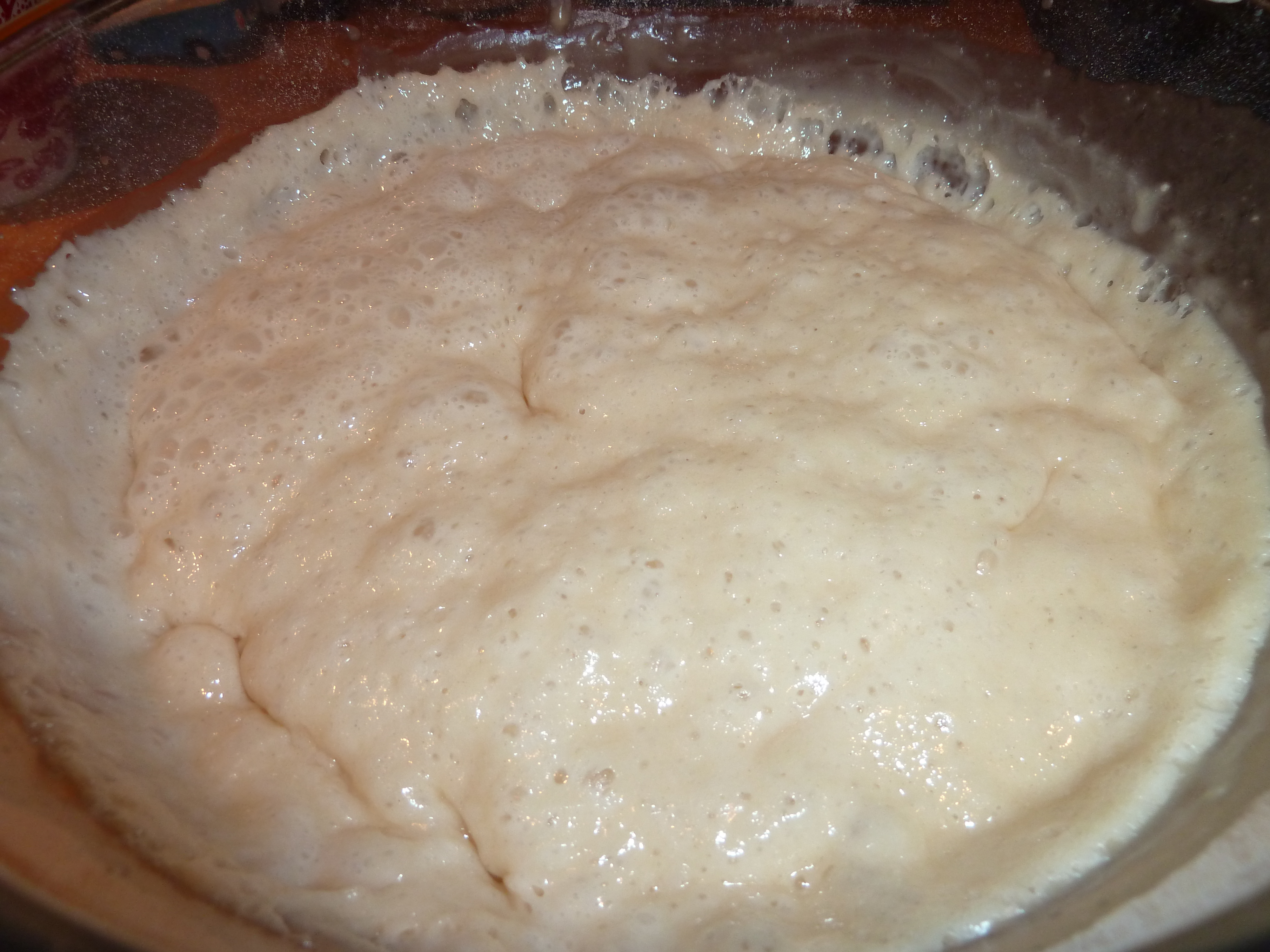
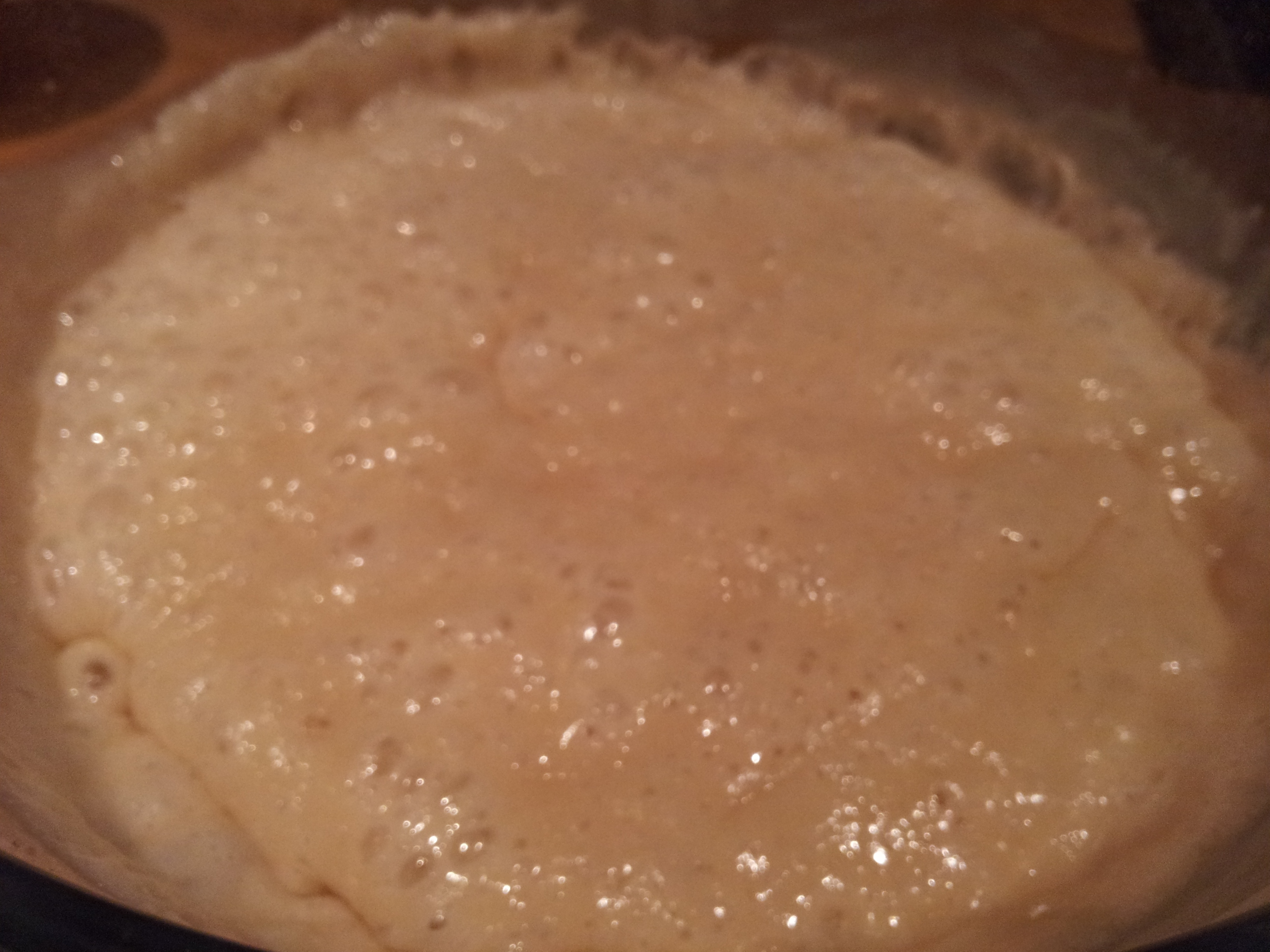
Bubbling along nicely

Place Herman in a big bowl, leave him somewhere warm wearing a tea towel (check)
Day 1 – Stir Herman (I used a wooden spoon as I’m sure I read that its bad to mix sourdough with metal but I may have dreamt this.)
Day 2 – Stir Herman
Day 3 – Stir Herman
Day 4 – Feed Herman (I found I had to use a hand whisk to mix in 1 cup of warm milk, 1 cup of flour, 1 cup of sugar and stir well)
Day 5 – Stir Herman (you get the picture…)
Day 6 – Stir Herman
Day 7 – Feed Herman (same as before)
Day 8 – Stir Herman
Day 9 – Stir Herman

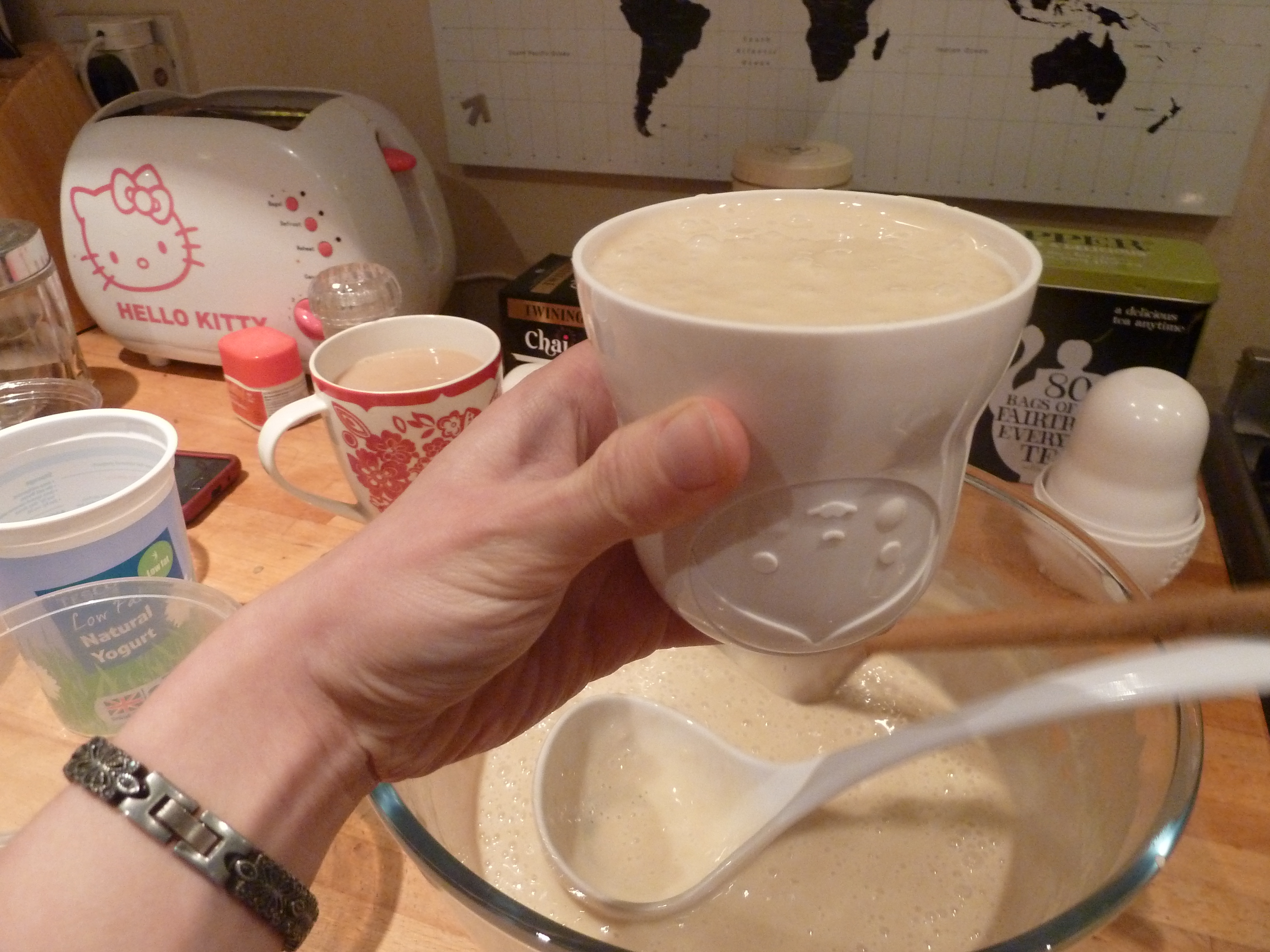
Russian Doll measuring cups

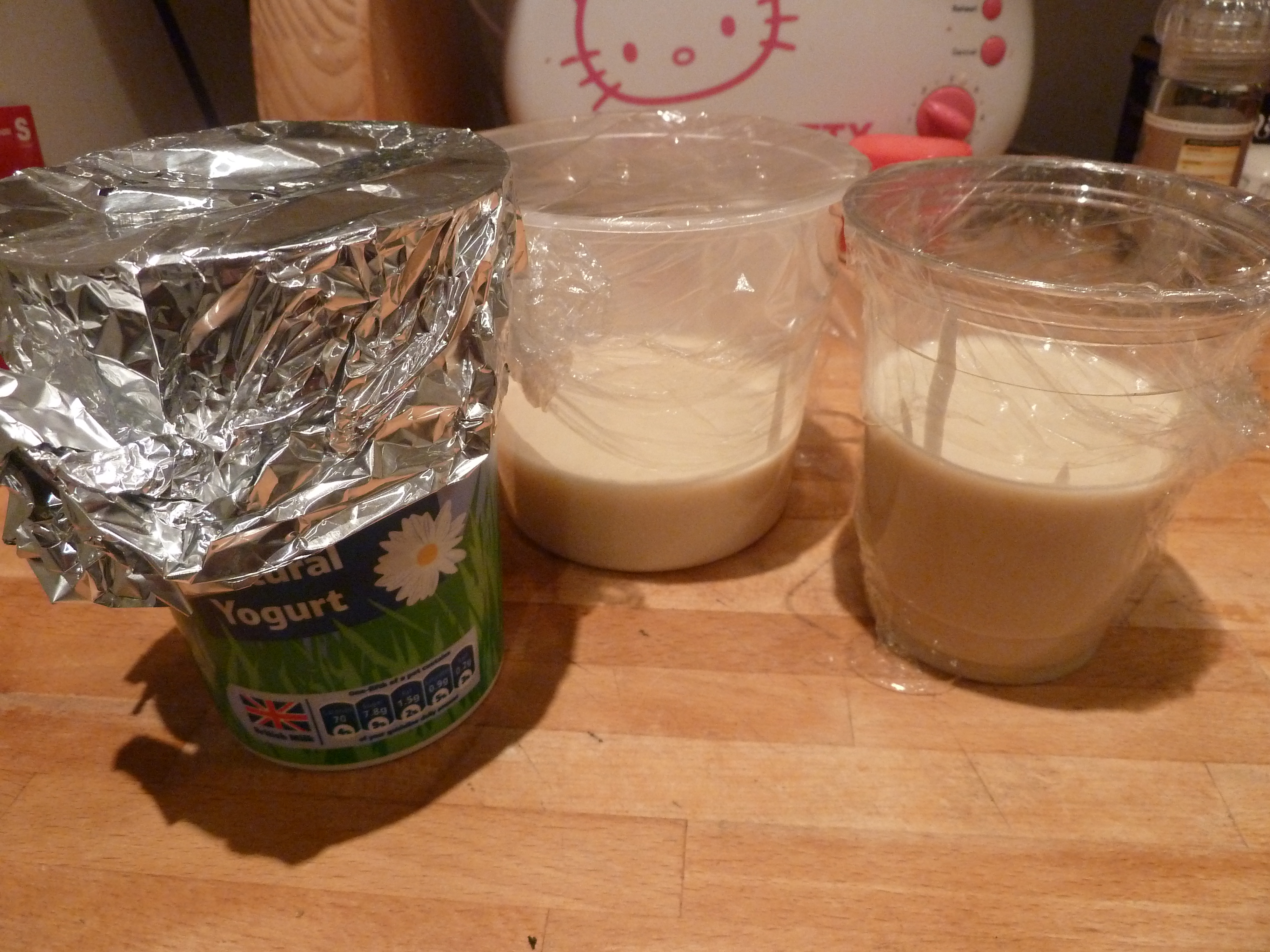
Day 10 – Divide Herman into quarters (about 1 cup per quarter) keep one for yourself. Share the other 3 with your friends . (You probably want to give them the instructions too otherwise they might think you don’t like them very much, giving them the gift of smelly fermenting goop)

Recycling every pot in the house

Now I can’t lie and pretend that I followed these instructions exactly as I forgot to stir him somedays, which I don’t think he was very happy about, as he became a bit solid and lumpy, in a sourdough huff I reckon. Nevertheless I don’t think it did him any real harm.

I did keep him near the radiator which perfumed the kitchen with a hint of brewery. (Lovely if you like beer?) I’m sure this will be the next big thing in parfum from Paris.

Pre stirring - this is what Herman looked like bubbles that rise to the surface and pop (if the surface is flat and still I'm afraid Herman has passed away)

I did worry that I killed him (again) as he looked a little flat and bubbless one day. I thought perhaps sugar would help? (It always helps me when I’m feeling a bit flat) I think it did the trick to revive him somewhat. Then following his first feed he perked up no end! All froth and bubbles. Apparently yeast needs flour to eat so it saved HermanII from a sink funeral.

All of the ingredients!

Then for the cake building! This seemed pretty straight forward. The recipe simply lists the ingredients and says mix it altogether. In reality this produces a tough scrambled egg bowl of sourdough cement.

Worringly solid

Worringly solid (Herman + flour + sugar)

Scrambled Herman - after adding the oil

I had thought “Ooh wonderful I’m going to be all traditional and use a Amish recipe and no electrical gadgets. Just me my bowl and a wooden spoon.” Wrong. I had to resort to the electric whisk to beat the lumps out of the mix. I probably shouldn’t have dumped all the flour in at once!

There's no shame in bringing out the whisk

This is the most scientific yet vague recipe I’ve tried to follow. I do enjoy using my Russian doll measuring cups wherever possible but can’t help but feel that its not very precise. How much is 2/3 of a cup of melted butter? Do you measure it out solid or melted? Am I supposed to squash a solid pat of butter into the cup to measure it out? I’m confused, therefore I guess.

Butter?

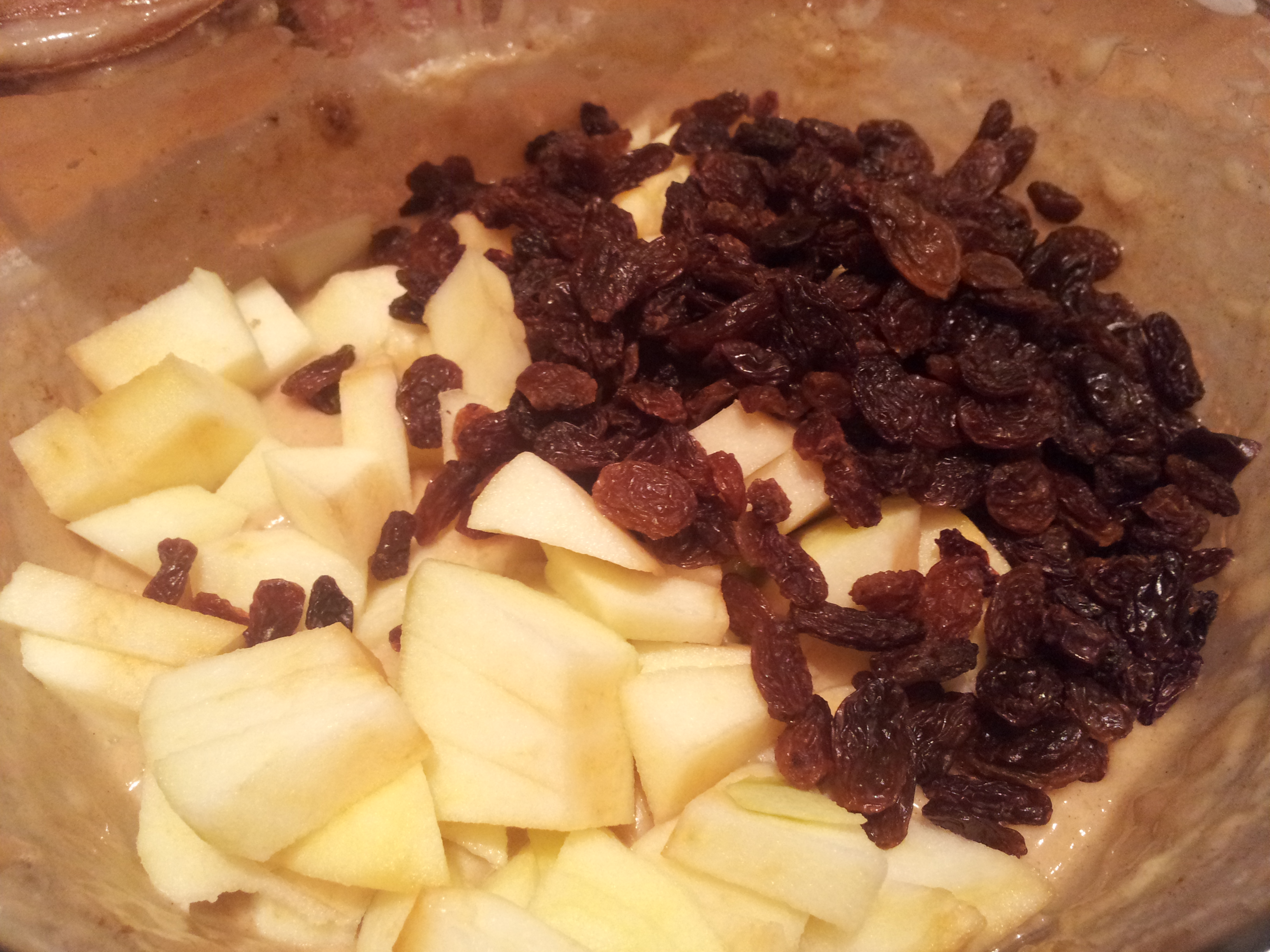
Once I worked out the lumps of flour and managed to combine the oil, eggs, cinnamon, vanilla, sugar, and baking powder into my cup of Herman starter I could chop up the 2 apples into bits (definitely the technical term) and stir it in along with a cup of sultanas.

Generous helping of cinnamon

Chunks of apple and raisins

Combining everything together (no whisk required)

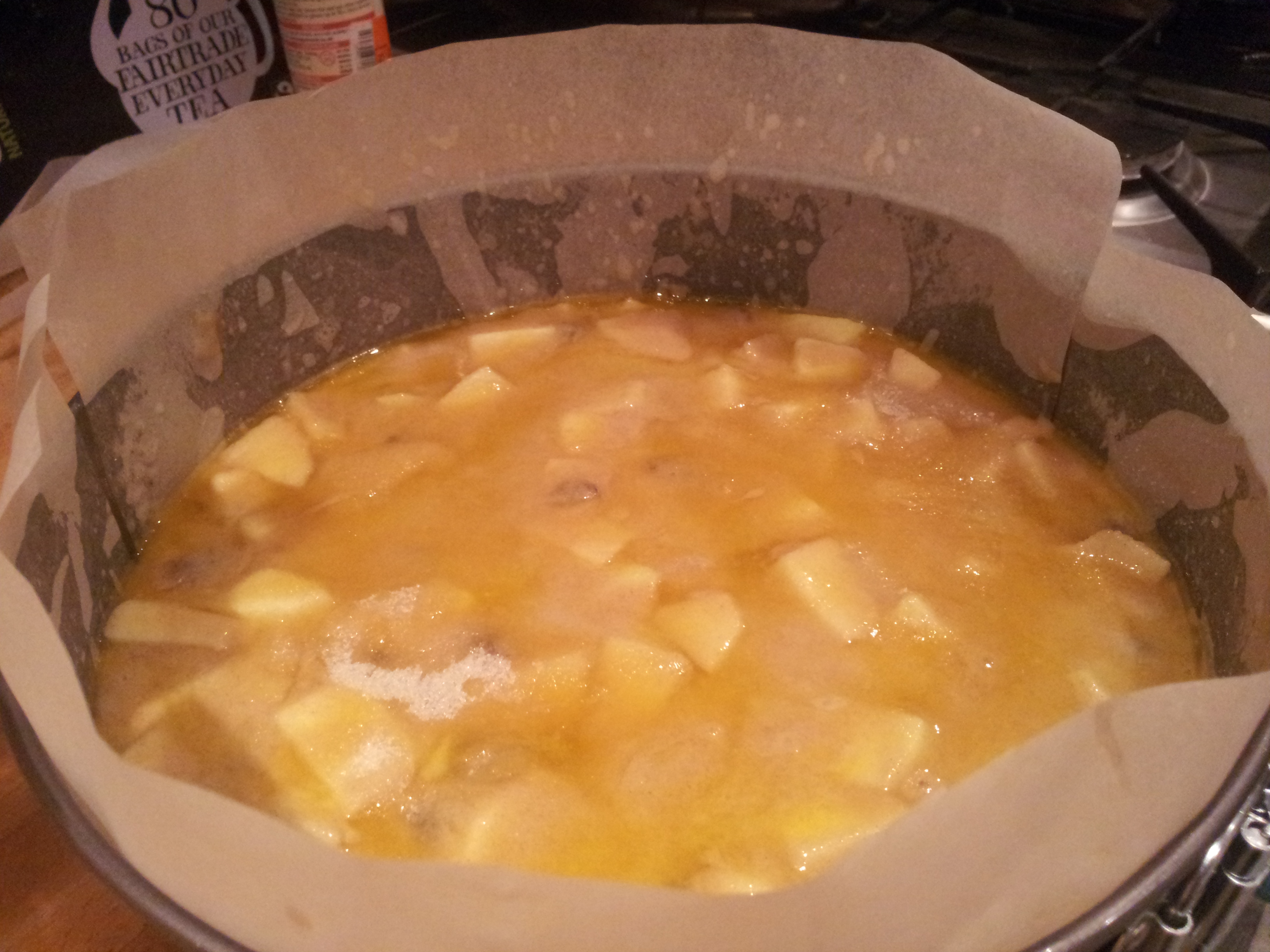
Again the recipe was beautifully non specific. “Pour the mixture into a LARGE greased and lined tin” What shape? I hear you cry? (someone already stumbled across my blog having looked unsuccessfully, I’m sure cos I don’t have the answer, for ‘how big a tin do I need to bake Herman cake?’) I selected my second from biggest round tin merely because I’ve used the biggest one before and it doesn’t fit inside my cake box. See that planning ahead? Excellent logic. It maybe about 20cms in diameter. (But then again I am guessing.)

Now I’ve never poured 2 thirds of a cup of melted butter on top of a raw cake before. It felt a bit wrong. But hey that could be because I guessed how much butter to melt, I just chopped a chunk off and melted it in the microwave. Then sprinkled on some golden caster sugar.

Buttery top

Then for the baking. The recipe says 45mins at 180 degrees C. I reckon this varies quite a bit on what size tin you use as mine took at least 30 mins more until the skewers came out clean and made the kitchen smell all lovely and cinnamony. Very Christmassy just in time for the February snow.

Mini Hermans - ready for adopting

It seems like Herman has been a long time in the making and has taken on a personality of his own. After potting up the mini Hermans and they sat looking at me in a row I started to feel like I was in The Little Shop of Horrors, Seymour feeding Audrey II only to discover at the end he’s multiplied and lurking in the garden, waiting for the next unsuspecting human to feed him…

I don’t want to burden my lovely friends with a Herman. He’s no Audrey II that’s for sure, just a harmless sourdough! I do have 3 Hermans looking for a good home but I’m also quite tempted to keep one to experiment with, perhaps a chocolate chip Herman or Herman sourdough bread?

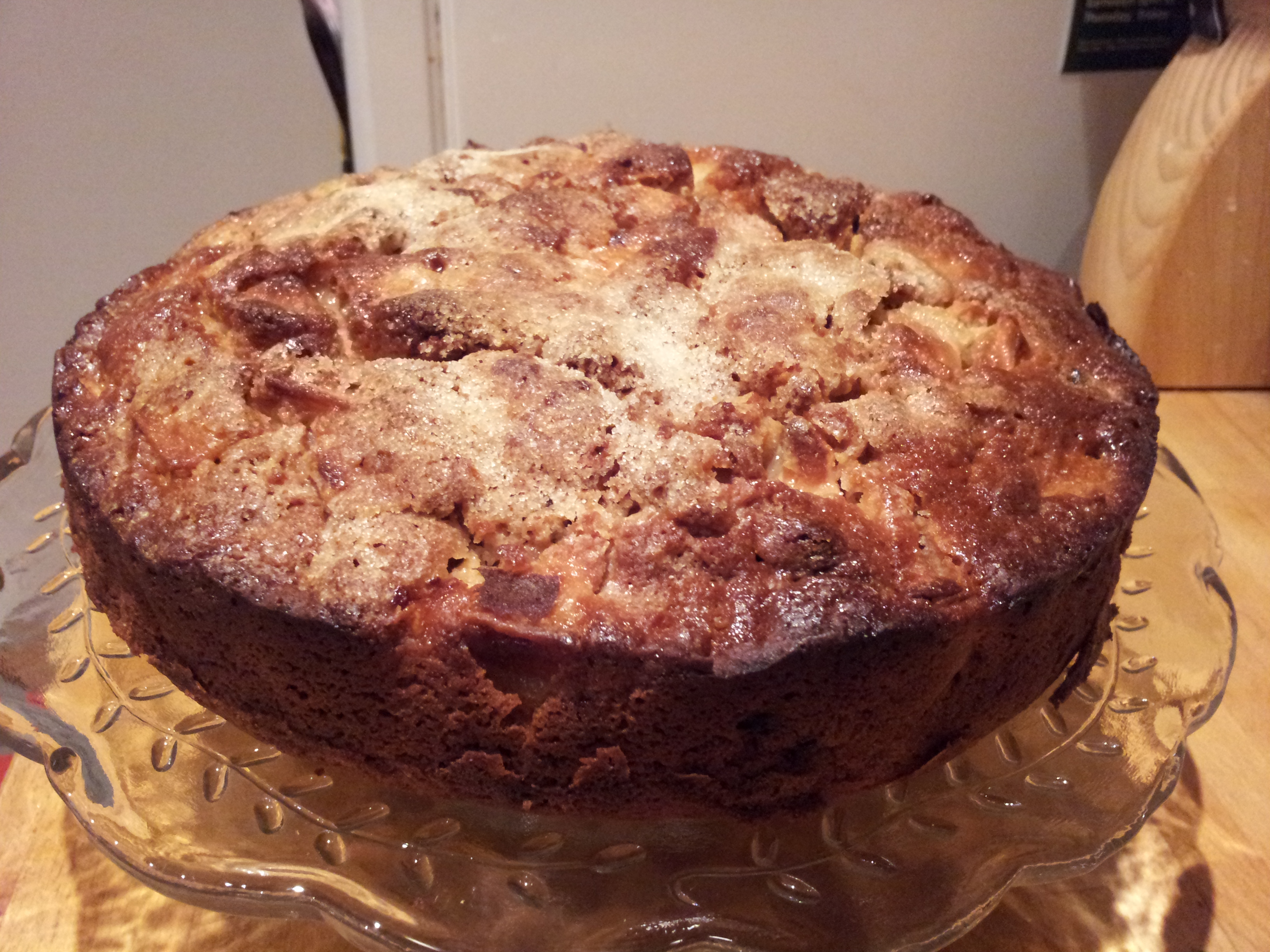
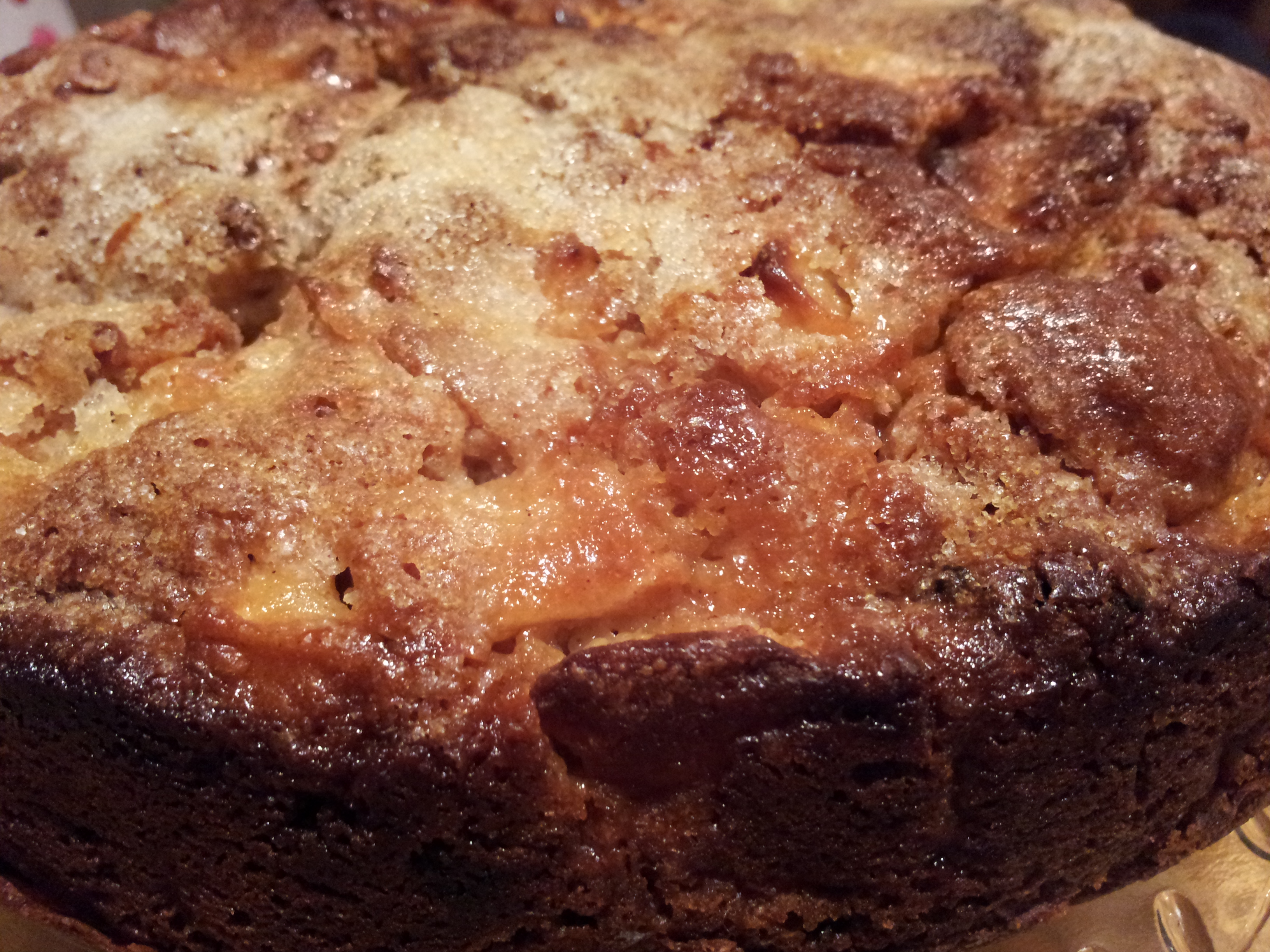
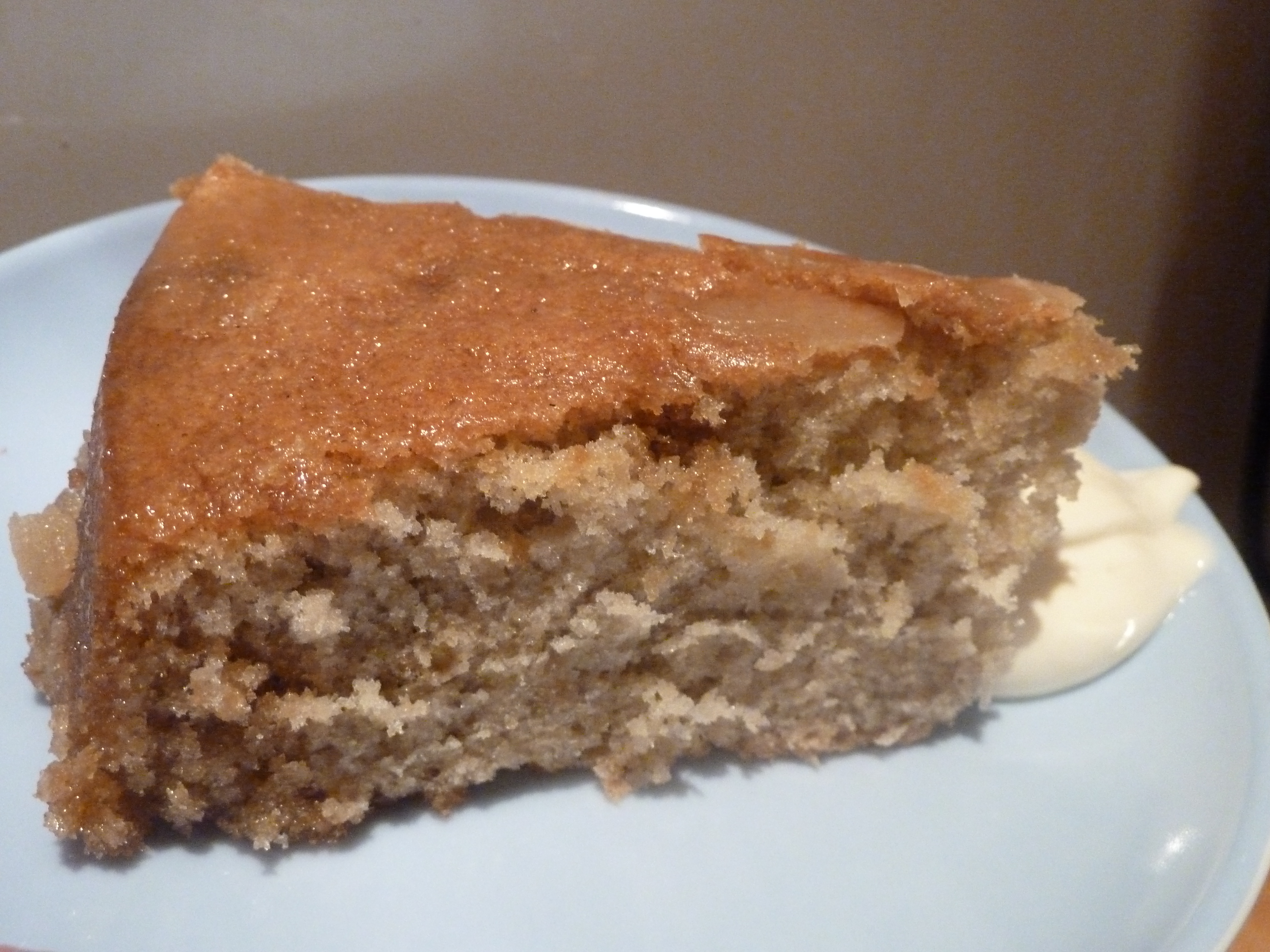
Crumbly and moist

What’s not to love about a cake called Herman? A cake with a story! A cake with a real history! A cake with heart and steeped in tradition. Sure it might seem a bit weird taking that first bite of Herman. But he actually tastes really good! There’s a slightly sour initial taste, which makes sense and then a lovely apple and cinnamon sponge. It’s really moist yet crumbly on the top. I will never doubt pouring butter on the top of a cake again! Very good served with ice cream or just with a cup of tea! If someone loves you enough to offer you a share of their Herman take it with both hands and pass it on to generations to come!

Crackled effect

It has been a bit of a commitment tending to a cake over the past 20 days (counting the creation of the starter, killing it and starting again). But what a life! Devoting himself to pleasing others. That’s my kind of cake. It feels like I’ve been writing The Herman Diaries and soon there will be a film with Johnny Deep as Herman… yet I digress once more. If you’re given the chance of a Herman give it a go! What have you got to lose?! Embrace the Herman. You know you want to.

image

A slice of Herman

Things that I used…

1 cup (quarter) of the original Herman Starter

2 cups plain flour

2/3 cup of vegetable oil

2 eggs

2 apples

1 cup raisins

2 tsp baking powder

1 cup sugar

2 tsp vanilla extract

50g butter (melted)

a generous sprinkling of golden caster sugar for the top

1 “Large” round cake tin (9 inch)

1 hour 15 baking time at 180 degrees C

Herman’s Big Night Out!

image I’m very sad to announce the death of Herman the German Friendship Cake. He made it through 2 days and then alas Poor Herman was not bubbling anymore.

He was a brave sourdough soldier. After a brief mourning period I tipped him down the sink and started again. This time using real sugar not honey as a substitute, which meant I had to make a trip to the shops.

image

4 days on Herman the German II is doing well. So well infact I’ve split him in half and delivered him to Karen who, so committed tot he Herman, travelled all the way from Middlesbrough. Now she too can spread the Herman Joy.

image

Herman off on his holidays after a morning by the heater at work. In his own travel bag and hot water bottle combo.

Only 5more days of feeding til I can split him again and share 3 quarters out. Please let me know if you would like a Herman starter and I will try to get one to you. Then the baking shall commence!

Or alternatively you can make your own starter by following these intructions

Want to see how Herman turned out??Clcik on to the next post From Herman with Love for the grand finale!

24. Knished! – Eastern Europe

After watching a Woody Allan film ‘Whatever Works’, I was intrigued to find out exactly what a Knish is , the food that Larry David’s character loves so much.

image

It turns out that it's a traditionally Jewish Pastry usually filled with oniony mashed potato. Curious, I signed myself up to the Knish challenge.

All of the recipes online varied massively. One site gave a recipe for 5 dozen or 58 knishes. This would be a bit excessive for me and my 5 friends to eat. I settled for a more basic version and (yes you guessed it) modified it slightly.

image

I peeled and boiled 3 large baking potatoes but then proceeded to drop lots of them (and the glass pan lid) into the sink. So after disposing of the sink potatoes I guess I actually had about 2 and a half potatoes mashed up in the end.

image

The chopped onions had to be fried in rather a lot of vegetable oil until soft and translucent whilst I messed around with pastry making.

image

Its a very simple recipe with flour, oil and water. Again I threw it in the food processor to bring all the ingredients together but you could use a spoon instead 🙂

image

needed kneading

It needed kneading until smooth then it needed a rest in the fridge for 30 minutes. Enough time for a cup of tea and to stir the onions.

The pastry seemed a bit dry. This might be because the recipe that didn’t include an egg, where as some of the other put 1 or 2 eggs in the pastry. To remedy this I kneaded a little more water in until I was happy with it.

image

Divided

/>

I chopped the dough into 12 pieces and rolled each piece into a thin circle about 7 inches in diameter.

image

Then a quick slick of vegetable oil on the pastry before dolloping a lot of oniony mashed potato in the middle. There is no way I accurately measured this. Perhaps a handful of potato? (I’m sure this is how the professionals do it.)

I tucked up the edges and spread a little egg wash where pastry met pastry to help it seal shut (in theory).

12 Knish balls later and they were ready for a generous egg wash and the oven.

image

In hindsight I should have popped a little air vent in the top of each Knish to avoid this Knish mass explosion. There was more mashed potato on the tray rather than in the Knish. This is another danger of making it up as you go along after catching a fleeting glimpse of what it should look like in a film.

image
Knish Catastrophe

Nevertheless they tasted pretty good. If I’m being a little critical perhaps a tad on the greasy side, but I bet it would be a  perfect hangover cure!

image
If you ignore the mashed potato hanging out the sides of the Knish it looks exactly like how I imagined it would…

There are other flavour variations you can try too if you’re not a mashed potato fan, like meat. I thinkimage its a bit like a pasty so you can have fun with it!

image

Sideways Knish

Things I used:

Pastry:
1 and half cups of plain flour
1 top baking powder
Half a cup of water ( and more as needed)
1 tbsp vegetable oil

Filling:
2 and a half large baking potatoes
2 large white onions
Salt
Cracked black pepper (to season)
A cup of vegetable oil

1 egg to seal and wash pastry with

23. Herman the German Friendship Cake – shhhh he’s only sleeping

I have never ever heard of such a cake until my friend Rebecca sent me a link to a recipe. However I have met a German by the name of Herman but that’s an entirely different story. Involving me winning the gold medal in the 2011 Garden Olympics taking the women’s record for in “The Hang” event. Who knew I could hang by my arms from a metal pole for over 2 minutes? Any ways I digress…

London 2012 here I come

So Herman the German is apparently a sourdough cake that you ‘start’ and tend to for about 10 days before dividing it up and giving 3 quarters away to your friends, along with a recipe so they can make their own Herman cake too, keeping one quarter for yourself.

*friends beware you may have a Herman the German cake heading your way very soon.

I couldn’t resist such a wonderful story and it fits with my whole international baking adventure so into my new Russian doll bowl its all gone this evening.

imageLets hope I don’t kill my new friend before he’s even started…

imageimageimageI’ll keep you posted on his progress! Click here for more…

17. Matcha Green Tea Drizzle Cake – Japan

I love Japan. This is probably an understatement. The North East of England has slowly but surely caught on to the variety of foods that other countries can offer. For a long time we only had one sushi restaurant. I’m happy to report that we now have at least 3 that I’m aware of. Wagamama posed quite a revolution when it first opened its doors and we all queued down the street for a chance to eat some gorgeous food.

The Golden Palace

Traditionally Japanese food focuses more on savoury things rather than cakes I found this fantastic recipe for a Green Tea Drizzle Cake in the Wagamama cookbook.

A delicious slice

I went to Japan last year after dreaming about it for many, many years. I love that pretty much everything has green tea in it. I ate so much Green Tea ice cream…

My favourite ice cream parlour (this may have bee rose but I ate so much I forget)

went to a Tea Ceremony,

Me making Matcha in the Tea ceremony

Tea Ceremony

dressed up in kimono

The Full Kimono Experience

Kimono

and ate tonnes of sushi and noodles and maple leaf cakes (if I can find a recipe I will be attempting this very soon!)

The best cold soba noodles I have ever had. EVER

I’m quite adventurous when it comes to food and when in Japan of course I’m going to experiment a bit further, so yes I ate Bento boxes on the bullet train til they were coming out of my ears, (octopus legs and all)

Tasty Octopus Legs

but I drew the line at raw horse meat which was almost eaten by accident, slightly lost in translation somewhere…

No raw horse meat here!

Luckily during my Hello Kitty splurges I also insisted on purchasing Matcha (Green Tea Powder although the bamboo whisk is yet to see daylight and is still sealed in its packet at the back of the cupboard) My Asian cooking obsessions mean that I regularly purchase bizarre things from the Chinese Supermarkets, so I have a cupboard full of tapioca pearls, jasmine essence and of course gunpowder green tea.

The strong stuff

We had friends coming round for takeaway and I thought Green Tea Cake would be a perfect light end to the meal. It was quite a quick bake too, so just enough time to whip up a double batch as I wanted to bake one to take with me to my friends house the night after too.

Unlike a normal sponge cake, the sugar and eggs were beaten together in a bain marie until it tripled in size.

Eggs and sugar into the whisk

Whisk it all until it triples in size

Magic

then flour, baking powder and matcha powder were folded in.

Matcha Green Tea Powder (and flour)

I divided the batter between the 2 tins and set them away to bake whilst I brewed up the strongest green tea I’ve ever made. It goes against my tea teachings to use boiling water when brewing green tea, but that’s what the recipe called for so I followed the instructions, wincing at the bitter green tea smell.

Brewing tea

I sieved the stewed tea to separate out the leaves and then reduced the tea down to a syrup with sugar.

Dark green tea

When the cakes they had to rest in their tins until cooled. I pierced the top of the cakes with a skewer and then poured the syrup generously over the 2 cakes.

Green Tea Syrup

They needed a little more resting and then wrestling out of the sugary tins, as the syrup hardened and required some brute force to release the cakes. Normally with a drizzle cake I use a solid tin and can dunk it in hot water to release it, but as this wasn’t water tight with a loose bottom I didn’t want to drown it before we had a chance to eat it!

Drizzled

Having saved a little syrup back, I ‘spiked’ the crème fraiche with green tea.

Green Tea spiked Creme Fraiche

I usually don’t like cream on the side of my cakes, but this was divine! The cake didn’t taste anything like how it smelt, which to be honest wasn’t the best smelling cake I’ve made.  (Nor was it the prettiest!)

The Final Cake

It was clean tasting and refreshing, with a crispy coating on the outside and soft and moist on in the inside. Beautiful! I would definitely recommend this to anyone.

The cake was enjoyed by all

Bonsai Trees at Hiroshima Peace Park


Things that I used to make my Matcha Green Tea Drizzle Cake (Courtesy of Wagamama Cookbook) 

This will make 1 Matcha Green Tea Drizzle Cake. I doubled these ingredients and made 2 cakes at the same time. (Just in case you’re feeding a few people! The cake should serve about 6-8 people)

For the cake

  • 110 g plain flour
  • 10 g matcha (powdered green tea – you can get this in most oriental supermarkets)
  • ½ tsp baking powder
  • 75 g butter
  • 110 g caster sugar
  • 4 eggs

For the green tea syrup

  • 2 tbsp green tea leaves (I used gunpowder loose green tea leaves to make the syrup)
  • 150 ml boiling water
  • 150 g caster sugar
  • Don’t forget to save a little of the syrup to spike the crème fraîche  with!
  • about 200 g crème fraîche  to serve