63. Ugandan Groundnut Cake (Peanut Cake)

Ugandan Groundnut Cake recipe

Ugandan Groundnut Cake

Smothered in a thick dripping coat of dark chocolate this is one hell of peanut cake. (The recipe didn’t call for chocolate but I figured it was the logical combination.) Not one for the faint hearted or those watching their calorific intake. It’s fudgey and delicious.

Groundnuts are hard to come by so I’ve substituted them for peanuts, which is apparently what most people do as peanuts are easier to grow too. It’s probably the sweetest cake I’ve ever made. And I LOVE it.

Ugandan Groundnut Cake

Ugandan Groundnut Cake

This recipe is a large one and I found it was enough to make 2 6inch round cakes and 1lb loaf too! So I hope you’re hungry. (Or you could use larger round cake tins if you have them maybe 8 or 9 inches – adjust/reduce your cooking time accordingly.)

I never usually bother toasting nuts, but I thought I would pull out all the stops to make this cake as authentic as possible. Toasting the peanuts helps to release the oils, creating a moister (if that’s a word) cake with a deeper peanutty flavour. Spread skinless (blanched) peanuts evenly on a baking tray and toast them in the oven for about 10 minutes at 200 degrees c. Keep an eye on them in case they burn. Once cooled chop them roughly with a big knife.
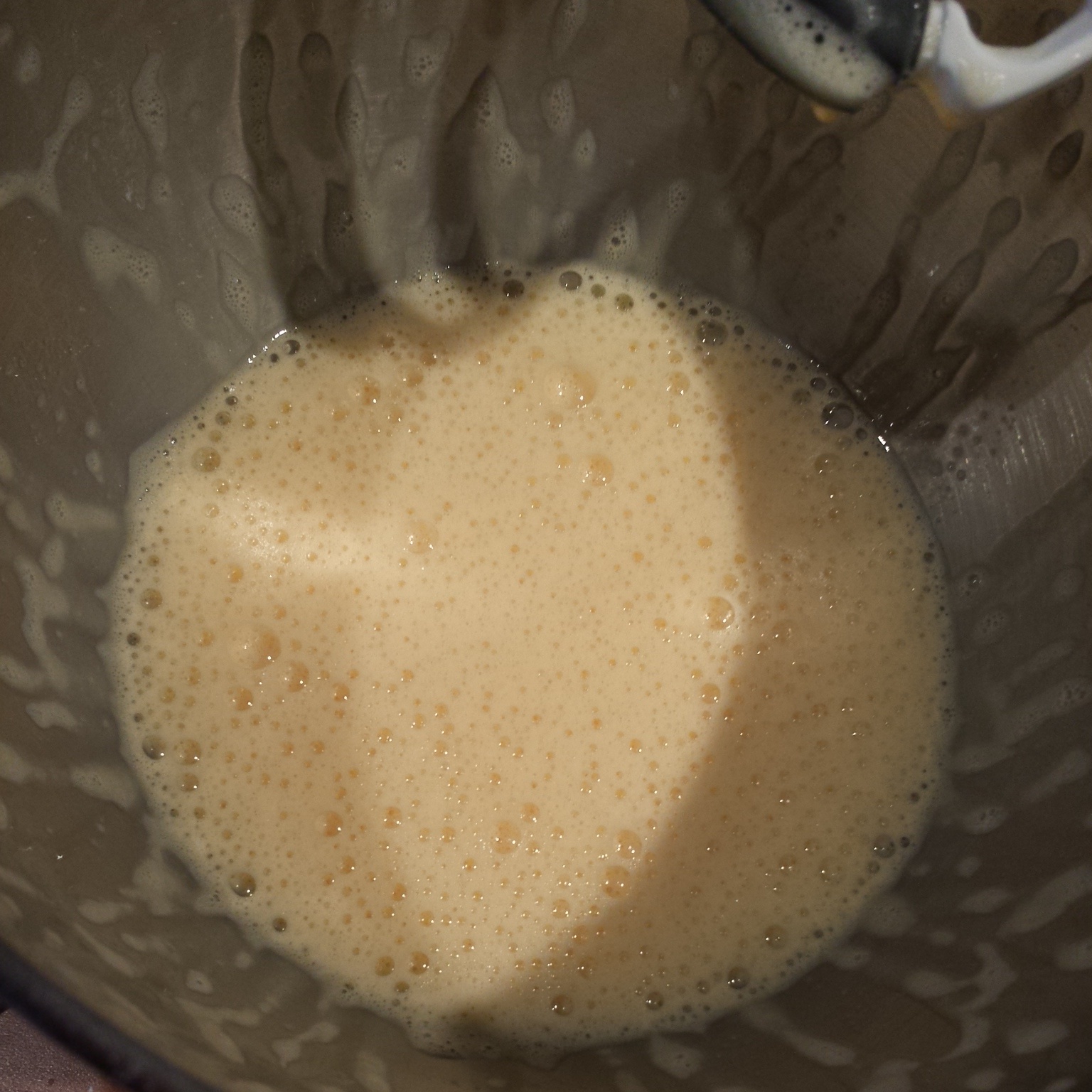
Mellow yellow stage of egg beating - fluffy, frothy and runny - groundnut cake recipe, peanut cake

Mellow yellow stage of egg beating – fluffy, frothy and runny

Whilst the peanuts are gently toasting, beat the eggs until lights and fluffy. They will reach a mellow yellow stage after about 4  minutes of beating with an electric mixer.

groundnut cake peanut recipe Gentle brown batter all fluffy and light full of sugar, honey and oil

Gentle brown batter all fluffy and light full of sugar, honey and oil

Then beat in the sugars, (brown and caster) along with the honey and vanilla extract. Once the sugars are fully combined, beat in the vegetable oil. The mixture will take on a gentle brown hue and increase in volume.
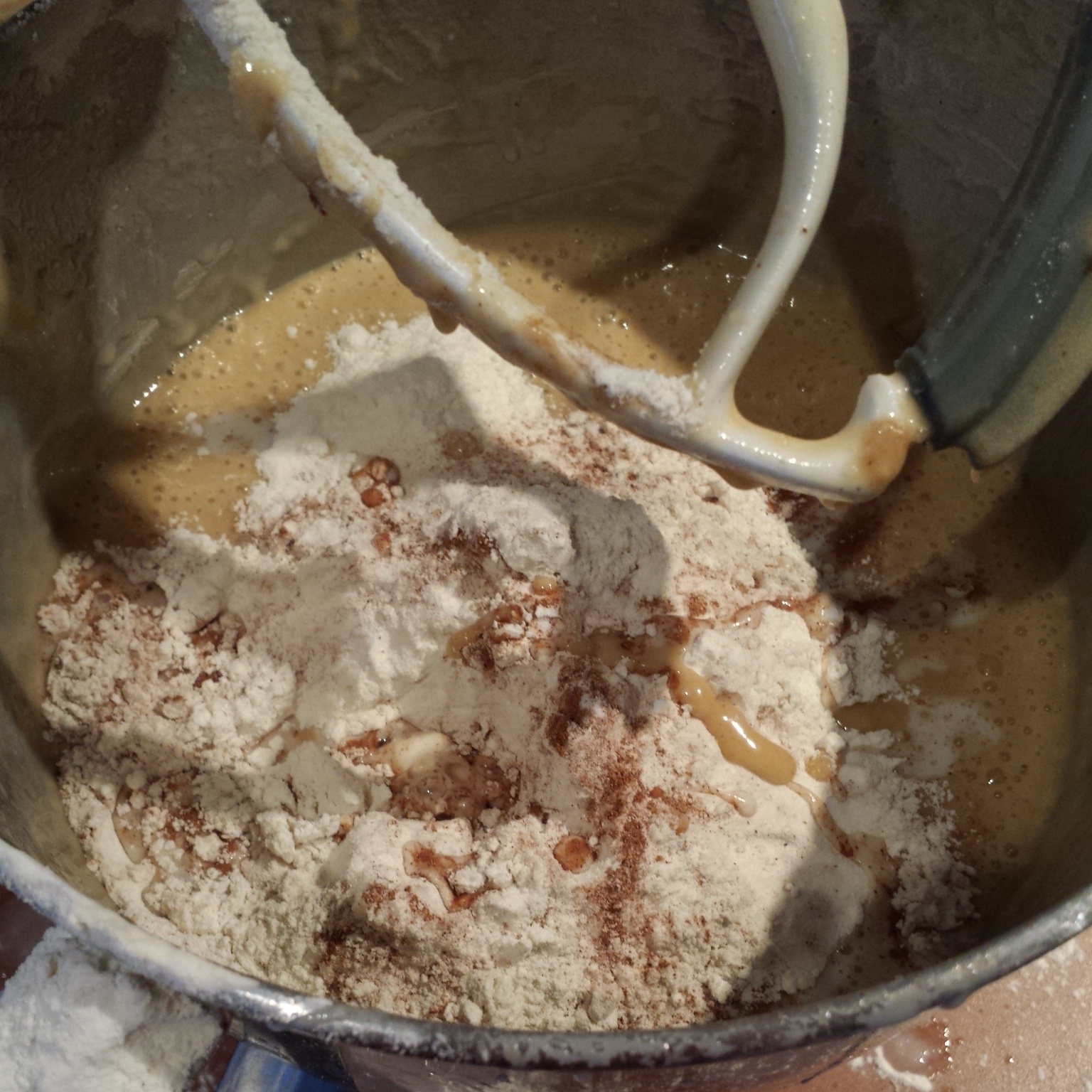
Fold (or beat) in the dry flour, salt, cassia and baking powder groundnut cake recipe

Fold (or beat) in the dry flour, salt, cassia and baking powder

The batter will become light and fluffy. Then to beat/fold in your dry ingredients. (I’m lazy and continued to beat in the ingredients using my mixer, but if you want to have a lighter cake you could fold it in with a metal spoon). I use ground cassia as I love it’s sweet cinnamonny notes. (Feel free to stick with cinnamon if you have it). Fold in a third of the dry ingredients followed by a third of the milk. Repeat until it’s all combined.

Fold in the toasted peanut - ugandan groundnut cake recipes

Fold in the toasted peanuts

Then fold in the cooled chopped peanuts into the thick glossy cappuccino coloured batter and it’s ready to bake! Pour the batter into your greased and lined baking tins. I used 2 x 6 inch round cake tins and a 1lb loaf tin. You could bake it in 2 larger cake tins, 8 or 9 inch rounds would require less time in the oven. My cakes took between 40 and 55 minutes. If you’re using a bigger tin your cake might take around 30 -40 minutes. The trick is to keep checking, once it’s safe to open the oven without causing your cake to deflate. I checked mine at 30 minutes and although the top of the cakes were firm to the touch the skewer didn’t come out clean when I tried it.

Golden brown groundnut cakes

Golden brown groundnut cakes (the flat bottoms)

Once the cakes are firm to the touch and when you insert a skewer and it comes out clean. (They should be looking slightly caramelised on the top and take on a darker brown hue.) Then you know they’re done. Cool them on a rack covered in grease proof paper to stop the rack branding them with stripes. This cake freezes well uniced (wrap them in greaseproof paper first). I baked mine in advance so I could assemble and ice it for Cake Club later in the week and still have fresh moist sponge.

Peanut buttercream is a revelation. I could eat the entire bowl with a spoon. But resisted long enough to get a smoothish coat on the cakes. In hindsight I had enough to be a bit more generous (particularly in the middle of the two cakes) but regrets don’t suit anyone so be as frugal or free with your icing as you like.

Peanut Buttercream is my new favourite frosting

Peanut Buttercream is my new favourite frosting

Beat your room temperature butter and smooth peanut butter together until they’re fluffy and light. I used a health food store peanut butter which promises to be natural and unprocessed. This did mean it was more oily than other peanut butters and more grainy. Give your peanut butter a good stir before measuring it out so it’s not too oily or dry. Then beat in your icing sugar and salt until it’s a smooth peanuty cream. The recipe called for honey but frankly this cake has enough sugar in it so I skipped it. Adding only a splash of milk to loosen it up and give a smoother finish.

how to ice a cake with buttercream

Smoothing the buttercream with a palette knife all round the cake

I slapped on a layer on peanut butter for food measure before adding a layer of buttercream to sandwich the cakes together. Then using a palette knife apply a thin ‘crumb coating’ of buttercream around the sides and top of the cake to fill any gaps and encase the crumbs so they don’t peek through your final finish. Chill the cake uncovered for an hour in the fridge to allow the buttercream to set before applying a thicker coat all over. Cover the bowl of remaining buttercream with cling film to stop it drying out in between uses. Smooth the final layer with a palette knife as much as possible. Then return to the fridge.

Pour a generous coat of melted choclate all over your cake and coax it down the sides with a teaspoon... droooooool

Pour a generous coat of melted choclate all over your cake and coax it down the sides with a teaspoon… droooooool


While the cake sets melt 50g dark chocolate in the microwave 30 seconds bursts until it’s almost all melted. Stir inbetween between. Stir in the remaining 20g of chocolate and stir until melted to temper the chocolate and achieve a glossy finish.
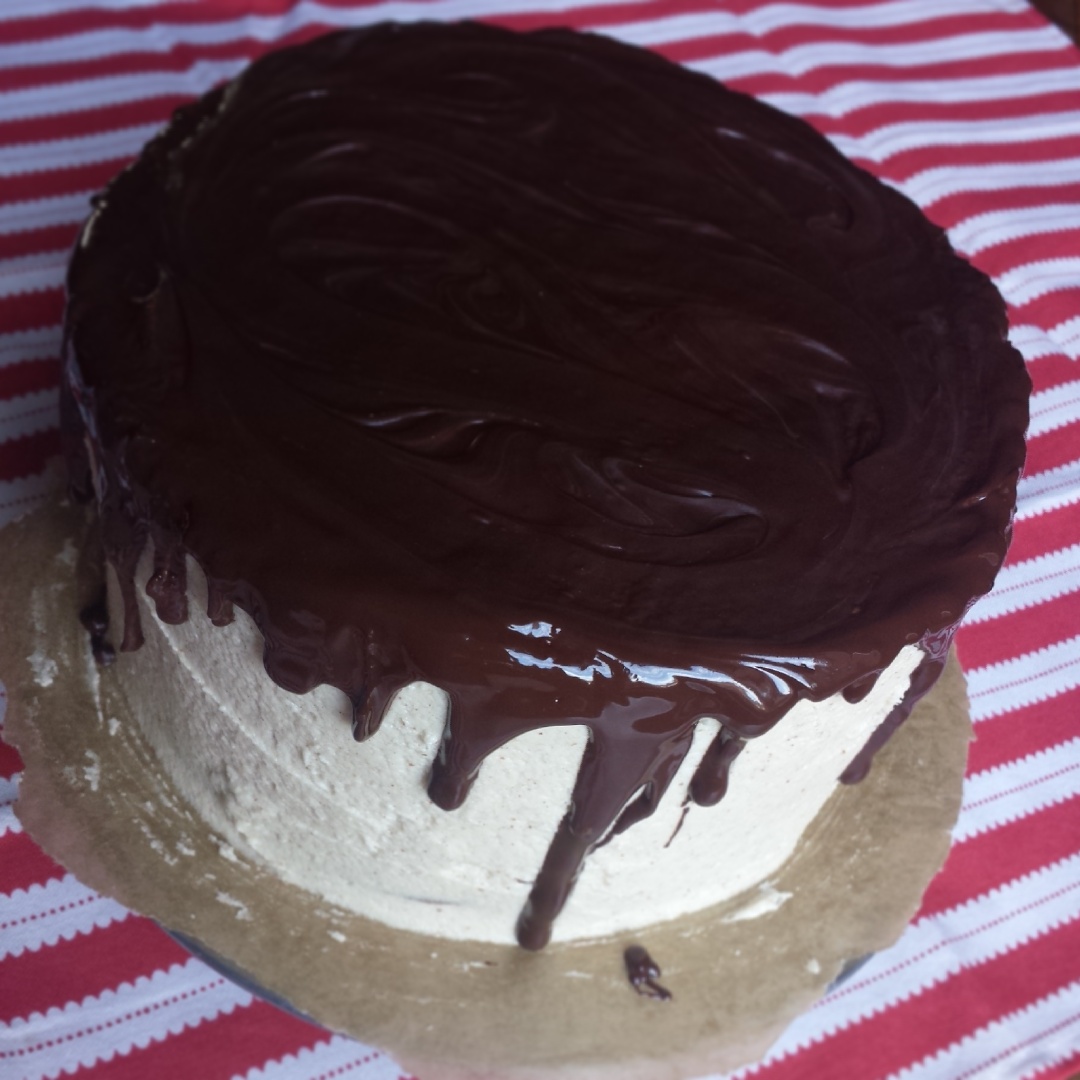
peanut cake - chocolate icing

Drool

Use a teaspoon to coax the chocolate down over the sides of the cake and to swirl the chocolate over the top of the cake. Leave it to set at room temperature to retain the glossy finish. I took inspiration from Pinterest for this decoration (I lose hours looking at pretty cakes but I like this style, it reminds me of a chocolatey dripping paint tin). Refrigerating the cake will dull the sheen of the chocolate but you may want to store it in the fridge if you want to keep it for awhile or try to transport it! Firm buttercream frosting travels well and keeps the moisture in the cake too.
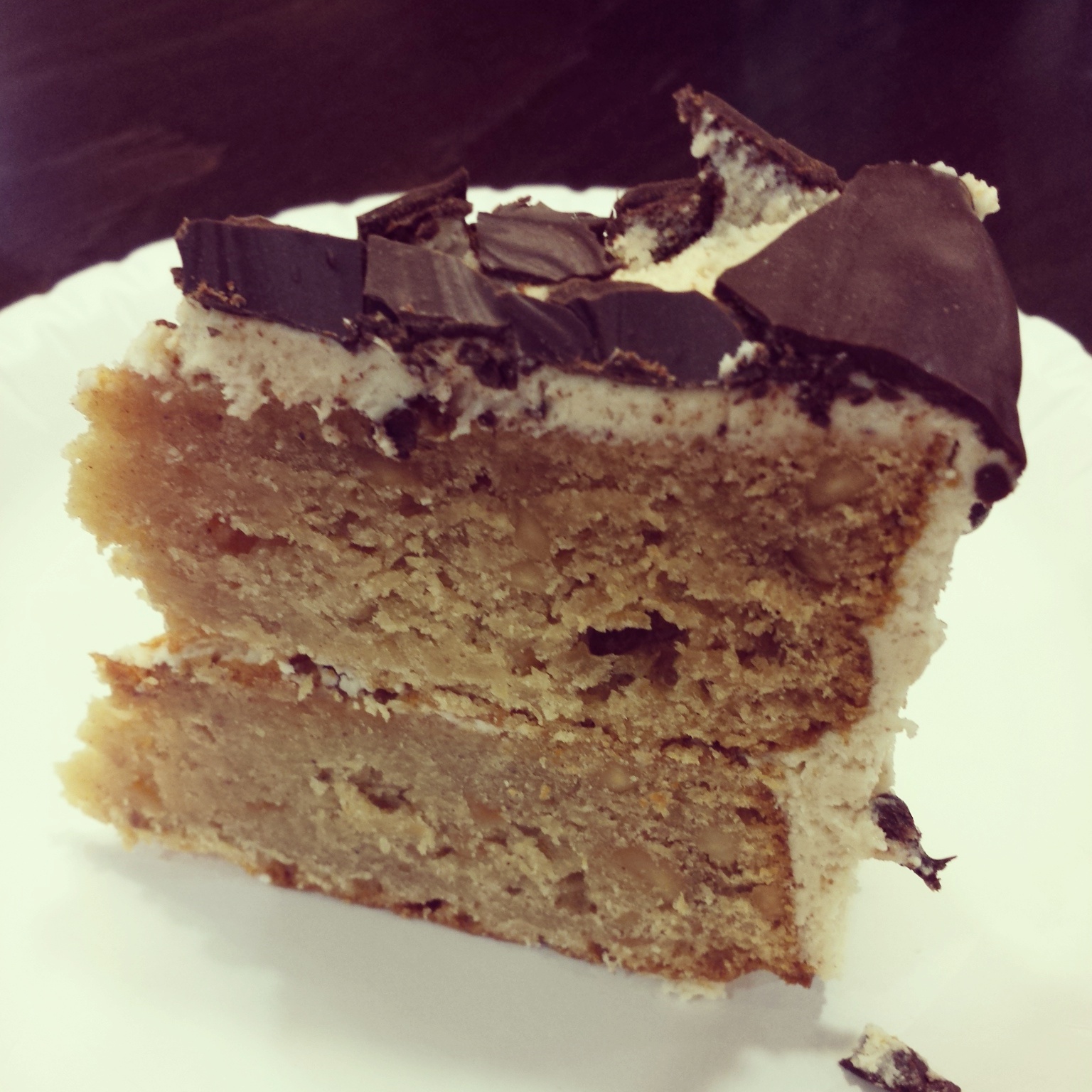
The Ugandan Peanut Cake in all it's glory

The Ugandan Peanut Cake in all it’s glory – check out the chunks of peanuts speckled throughout the cake

Serve it with a flourish and a sharp knife! This is one tall cake with chunks of peanuts to chop through too. And it is gorgeous, jam packed with peanuts and flavour. A friend likened it to ‘a cake version of the nougat in a snickers bar’ and that sums it up perfectly. It’s moist with a subtle hint of cassia permeating the sponge. I managed to keep a slice in the fridge for 3 days and it was just as delicious, not a dry slice in sight. I love this cake and will be making it again for sure!
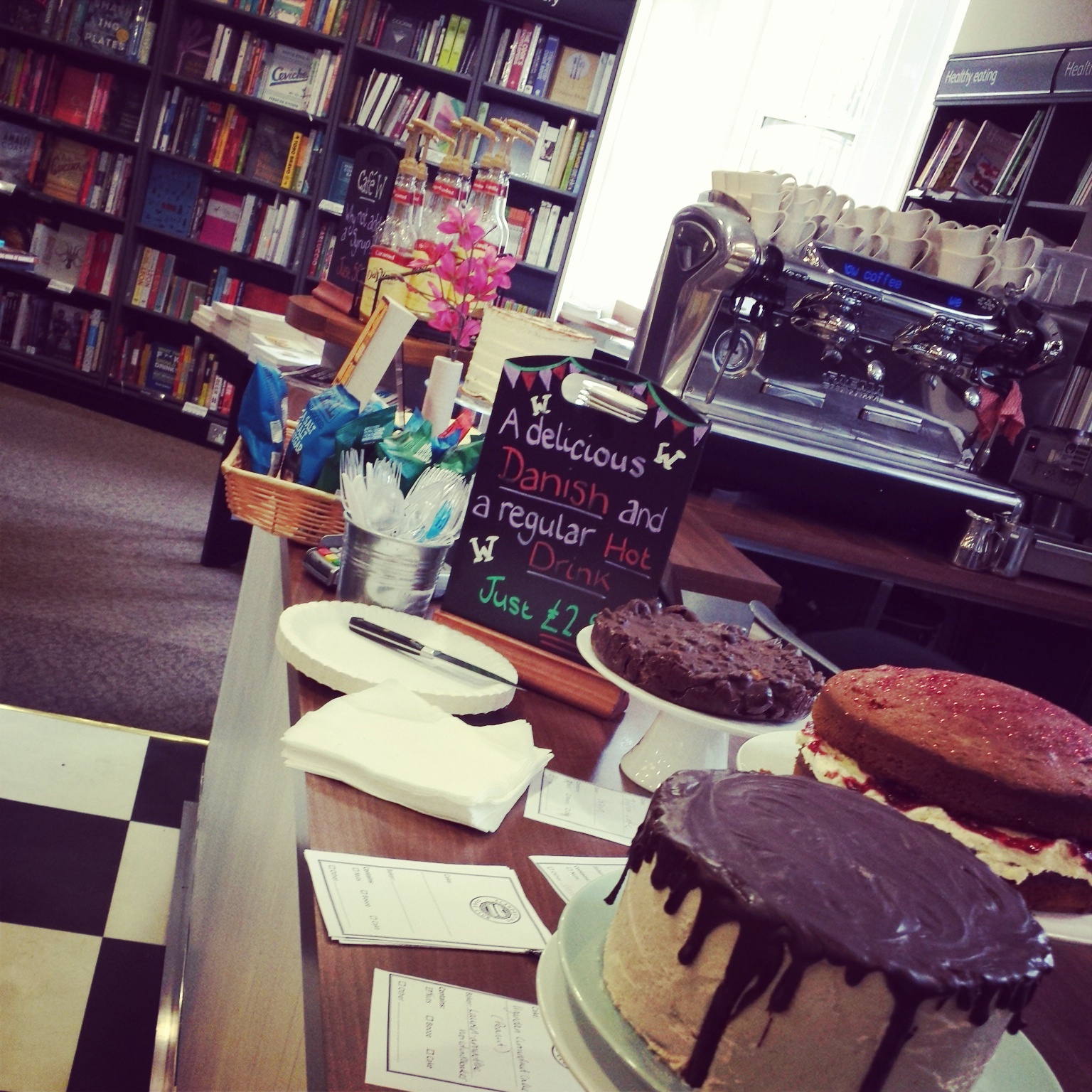
Clandestine Cake Club pushing the boundaries of cakeClandestine Cake Club pushing the boundaries of cake

Clandestine Cake Club pushing the boundaries of cake

My Ugandan Groundnut Cake was very well received at our Clandestine Cake Club meeting at Waterstones. This week we were pushing the boundaries of cake. It was amazing. We had savoury cakes, Tiffin Cakes, extraordinary ombre 8 layer cakes and a magnificent ice cream cake (unfortunately that one was out of shot in the fridge).


Things I used to make my Ugandan Groundnut Cake

  • 200g of blanched peanuts – toast for 10 mins in medium hot oven and chop up roughly. (Save these for the end)
  • 6 eggs – Beat til fluffy. Then beat in…
  • 170g caster sugar
  • 170g light brown sugar
  • 270g runny honey
  • 2 tsp vanilla extract
  • 170g (3/4 cup) vegetable oil

Beat sugar and eggs til light and fluffy. Then beat in a third of the the dry ingredients, followed by a third of the milk

Dry Ingredients

  • 1 and a half tsp baking powder
  • 1 tsp salt
  • 2 tsp ground cassia
  • 650g plain flour

Wet Ingredients

  • 270ml milk (I use semi skimmed)

Once all the wet and dry ingredients are fully incorporated, fold in the toasted peanuts.

Bake in 2 x 6 inch round cake tins (greased and lined) and a a 1lb loaf tin at 170 degrees c for 35 – 50 minutes. Depending on your oven you may need to check if your cakes are cooked sooner. I took the loaf cake out first after 40 minutes and the last 2 round cakes needed a little longer.

Peanut Buttercream

  •  200g butter
  • 50g peanut butter (I used smooth wholefood peanut butter but you can use your favourite brand) – beat the butters together until soft and smooth before beating in the other ingredients.
  • 1/2 tsp salt
  • 400g icing sugar – beat in the sugar until it’s smooth and no longer grainy
  • a splash of milk to loosen it up if it starts to dry out

Chocolate Coating

  • 70g of dark chocolate melted – I used 70% cocoa chocolate but use whatever you have to hand.
ugandan groundnut cake

Yum

If you like nutty cakes you may also enjoy my Iranian Pistachio Cake too!


62. Russian Black Bread

If you suggested that I put chocolate, coffee and onions into a loaf of bread a year ago I would have probably checked if you were feeling ok. It sounds vile doesn’t it? But then often the most unexpected ingredient combinations produce the most interesting results. Intrigued by the traditional Russian Black Bread I stocked up on espresso, caraway and fennel seeds ready for this strange bake.

Russian Black Bread recipe

Russian Black Bread

I was not disappointed. This is an extremely flavoursome and dark loaf. I found this recipe originally in a Jamie Oliver magazine but adapted it (as per usual) to fit my ingredients. It was supposed to be for 2 loaves. As I was expecting this bake to be a bit on the odd side, I wasn’t convinced that I could consume 2 entire loaves of it. So I scaled it down. (Feel free to double the ingredients if you would like to stockpile Black Bread.)

Russian Black Bread recipe

Who wouldn’t love a slice of Russian Black Bread?

Considering how much sourdough bread I’ve been baking recently I have transferred some of my newly acquired bread skills into this bake as I like to split my bread baking into manageable chunks to fit in around work and enjoying life. Using the fridge to prove my dough overnight is a great help. This means the flavours develop slowly and deepen. it also makes the dough easier to handle, especially if the dough is a wet and sticky or enriched with butter. Fridge proving produces a firmer more pliable dough, that needs very little kneading! Result!

Russian Black Bread Recipe

  • 7g instant yeast
  • 1/2 tsp sugar
  • 2 tbsp/70g treacle (molasses)
  • 40g butter
  • 40ml espresso
  • 13g dark chocolate (at least 70% cocoa)
  • 350ml water
  • 2 tbsp cider vinegar
  • 30g strong wholemeal flour
  • 200g strong white flour
  • 200g rye flour
  • 70g bran
  • 10g salt
  • 1 tbsp caraway seeds
  • 1/2 tsp fennel seeds
  • 1 small shallot (diced)
  • * approx 100g Rye Flour (you may need more or less) to help bring the dough together if it’s too sticky when kneading

Russian Black Bread Method

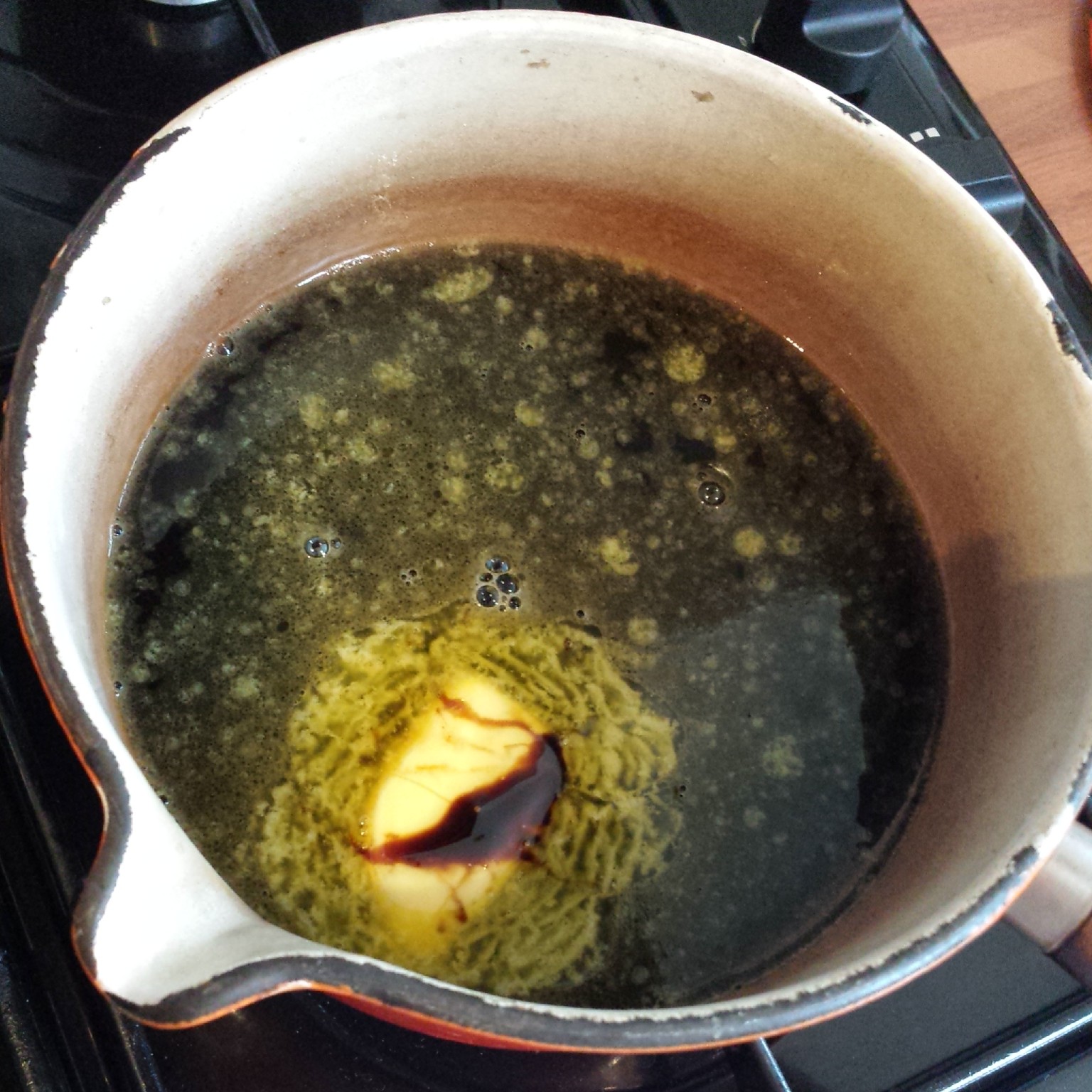
1.  Heat butter, espresso, treacle, and water in a pan until butter is melted

Heat butter, espresso, treacle, and water in a pan until butter is melted

Heat butter, espresso, treacle, and water in a pan until butter is melted

2.  Add cider vinegar

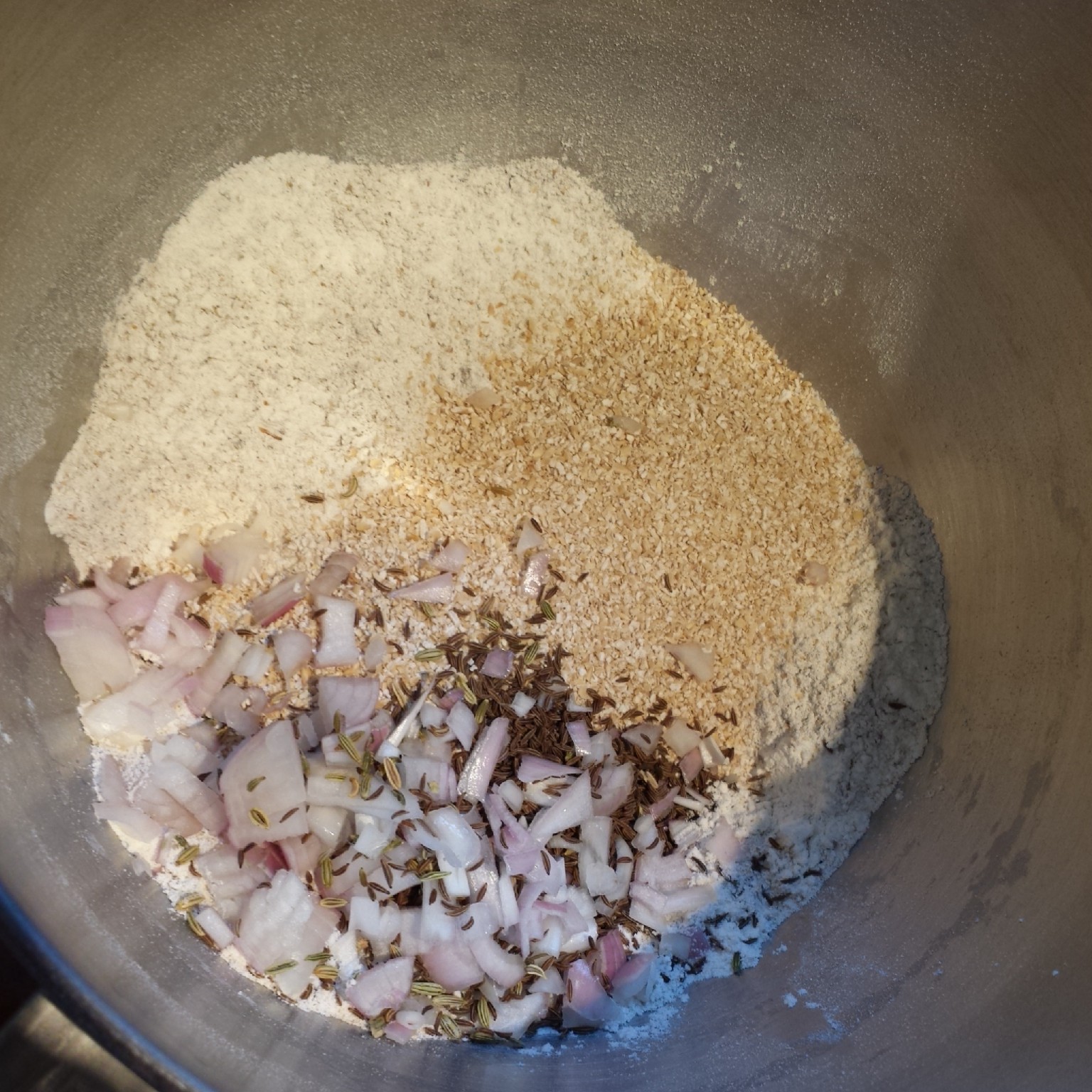
3.  Measure all of the yeast, flours, bran, salt, sugar, diced shallot and seeds into a large bowl.

Russian Black Bread: Measure all of the yeast, flours, bran, salt, sugar, diced shallot and seeds into a large bowl.

Measure all of the yeast, flours, bran, salt, sugar, diced shallot and seeds into a large bowl.

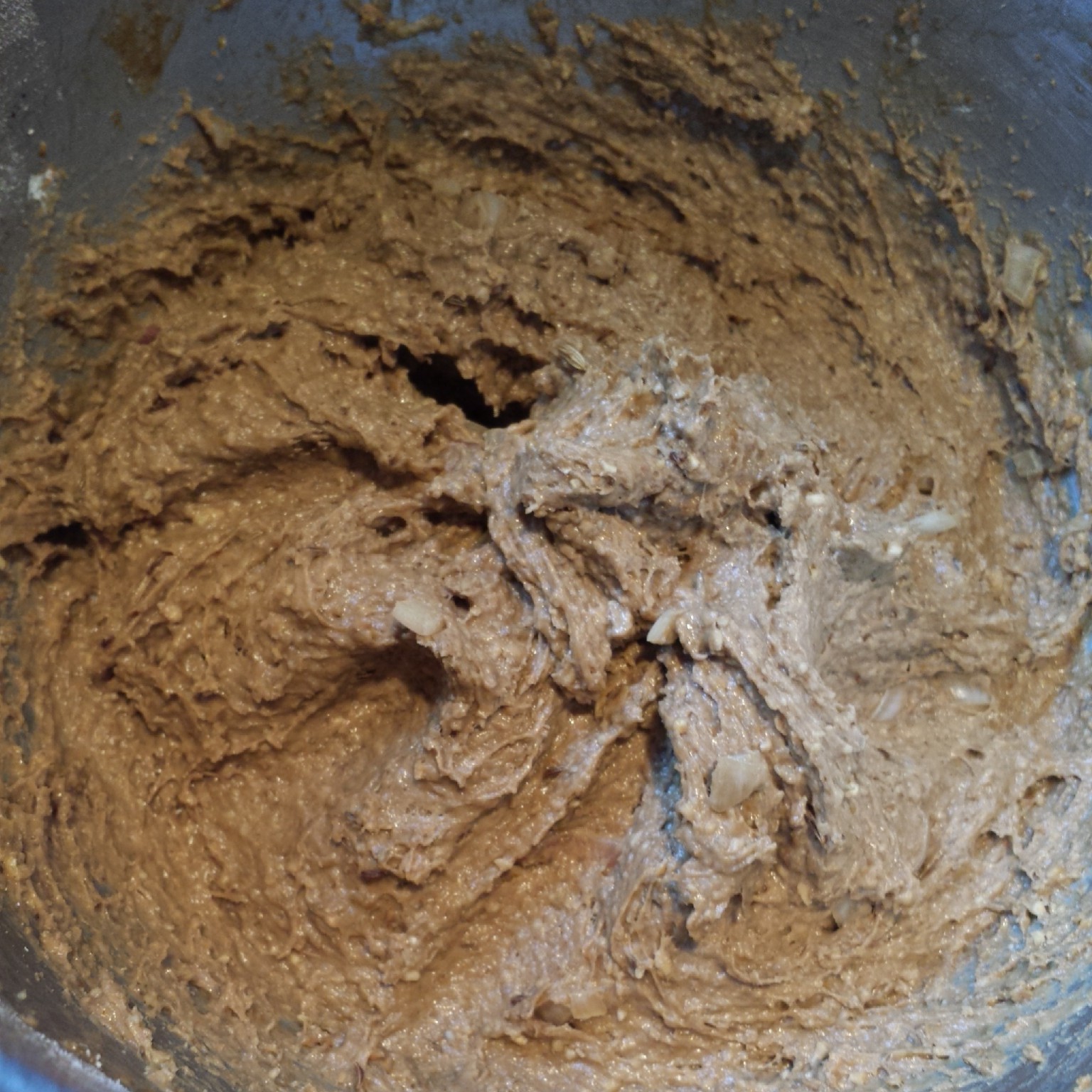
4. Pour in the chocolate liquid and mix together either with a wooden spoon or electric mixer. You may not need to add all of the liquid, or if the dough becomes too sticky, gradually add a little more rye flour until it comes together into a ball, (or a slightly less sticky mess.)

Russian Black Bread: Mix the wet and dry ingredients together, adding more flour as necessary before kneading for 10 minutes

Mix the wet and dry ingredients together, adding more flour as necessary before kneading for 10 minutes

5. Knead for 10  minutes (by hand or using an electric mixer – I used my Kitchenaid dough hook).

6. Cover your dough in a large bowl with cling film and prove either overnight (up to 24 hours) in the fridge or at room temperature for 1-2 hous until it’s doubled in size.

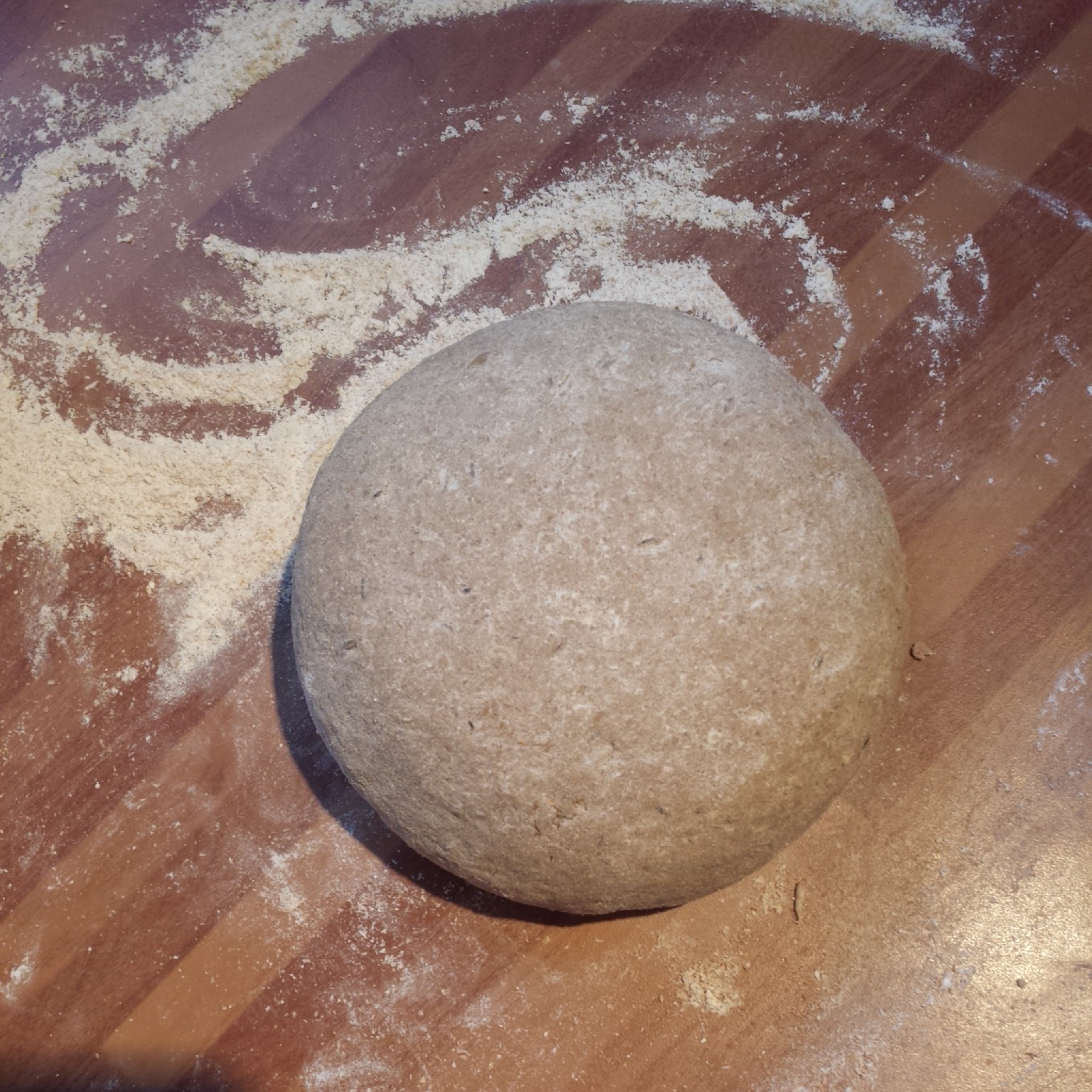
7.  Knock back the dough after it’s first prove. Knead it on a lightly floured surface and shape into a smooth ball

Russian Black Bread: Knead it on a lightly floured surface and shape into a smooth ball

Knead it on a lightly floured surface and shape into a smooth ball

8. You could prove it directly on a baking tray if it’s firm enough so it won’t spread too far. I wanted to make mine pretty so I proved it in my round banneton basket, which I coated with wholemeal flour first.

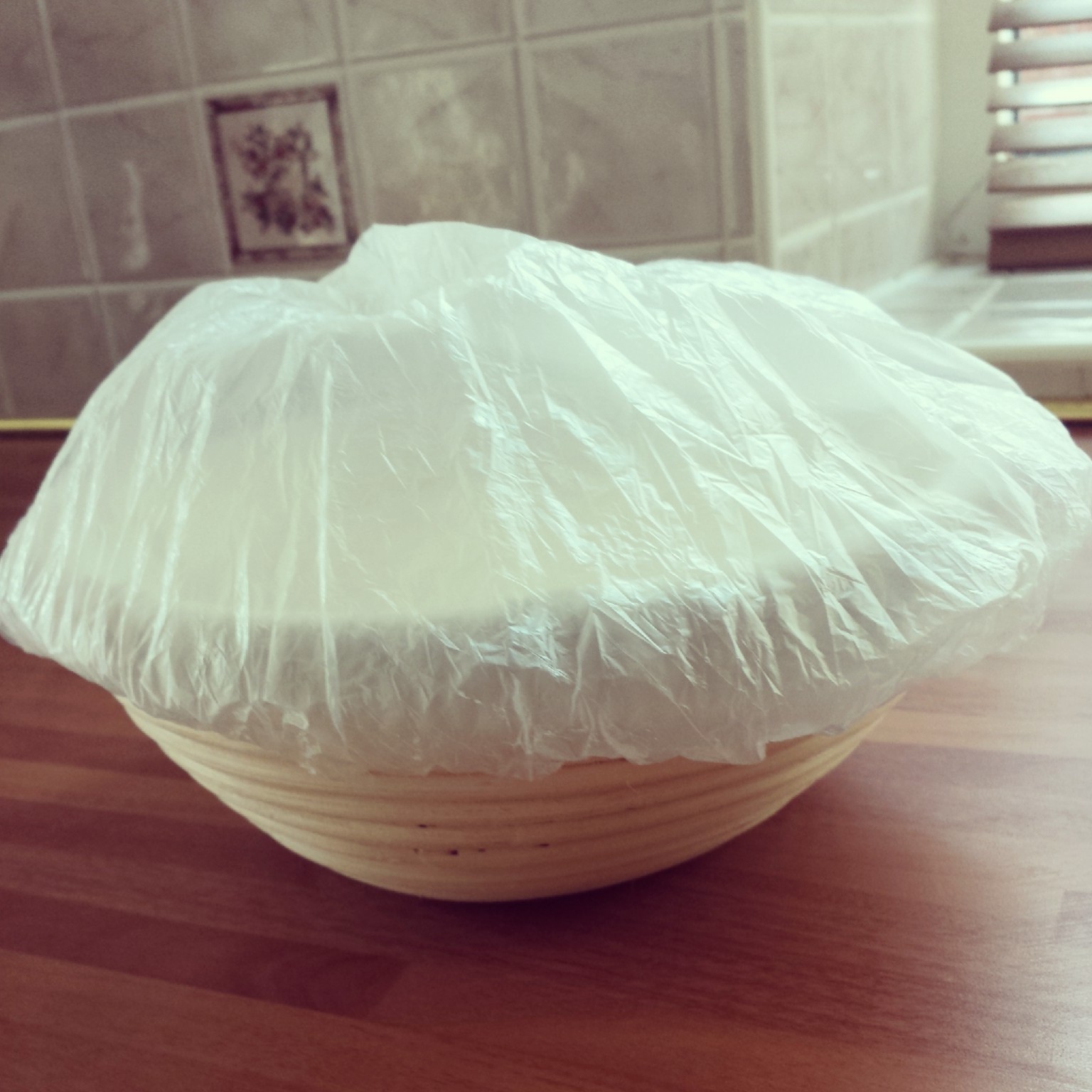
9. Cover your loaf with a shower cap or oiled cling film and prove for 2 hours at room temperature.

Ready to prove in the fridge over night

Ready to prove in the fridge over night or at room temperature for 2 hours

10. Pre heat the oven (and a casserole pot with a lid) 30 minutes before the end of your loaf proving time at 250 degrees C. (See the Hot Pot sourdough method for more details)

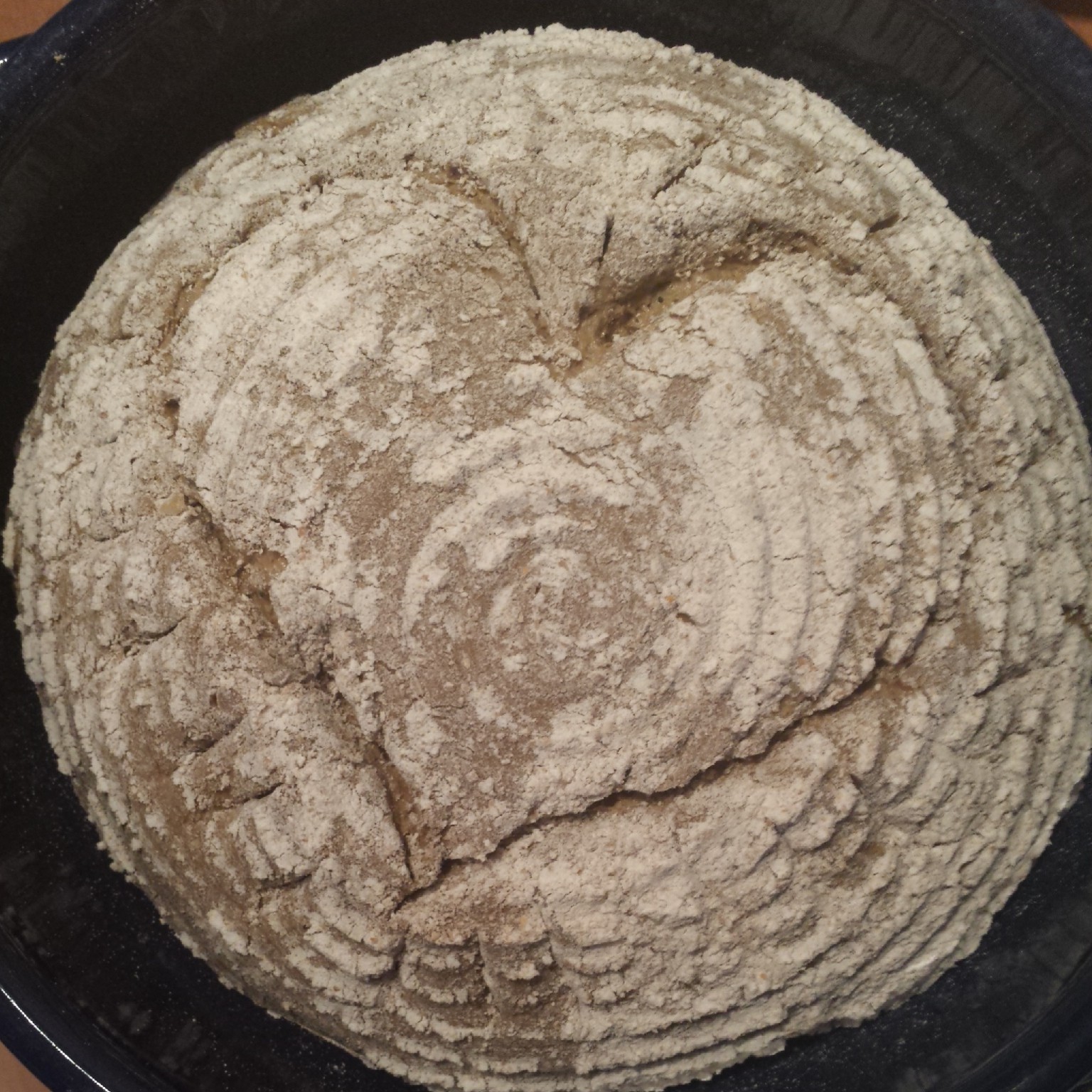
Russian Black Bread: Second prove done. Ready for baking!

Second prove done. Ready for baking!

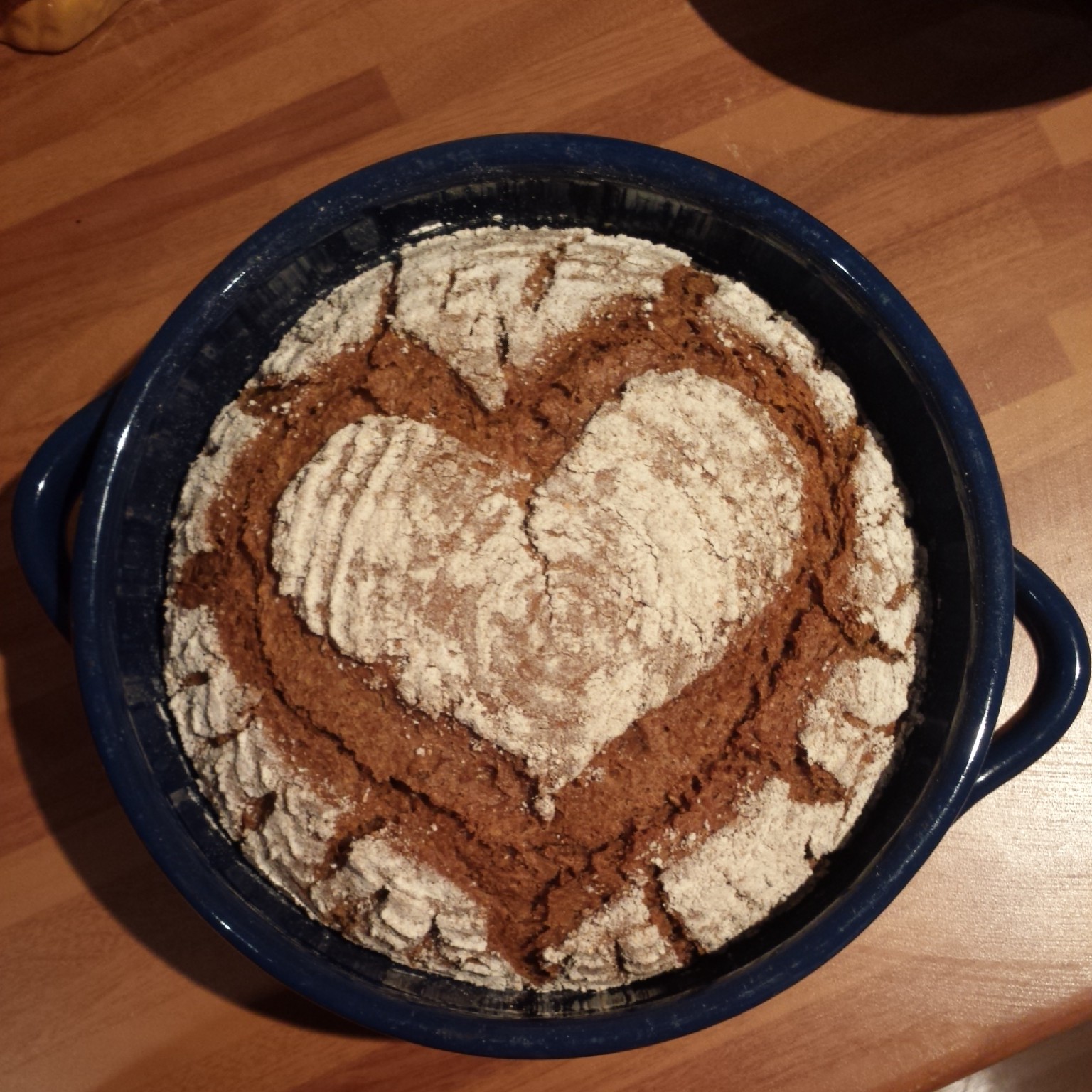
11. Sprinkle the bottom of the hot casserole pot with ground semolina and gently tip the proved loaf from the banneton into the hot pot. Use a razor blade to score a design into your loaf to help it cook evenly. (I went for a heart shape but you could try a few other designs.)

Getting creative with the razor blade. Heart shaped Russian Black Bread

Getting creative with the razor blade. Heart shaped Russian Black Bread

12. Bake with the lid on at 250 degrees for 20 minutes. Turn it down to 220 degrees for the final 40 minutes. Check that the bread is baked by tapping the bottom of the loaf. If it sounds hollow it done. If not, pop it back in the oven in the pot with the lid on for 5-10 more minutes.

Russian Black Bread baked in a hot pot

Russian Black Bread baked in a hot pot

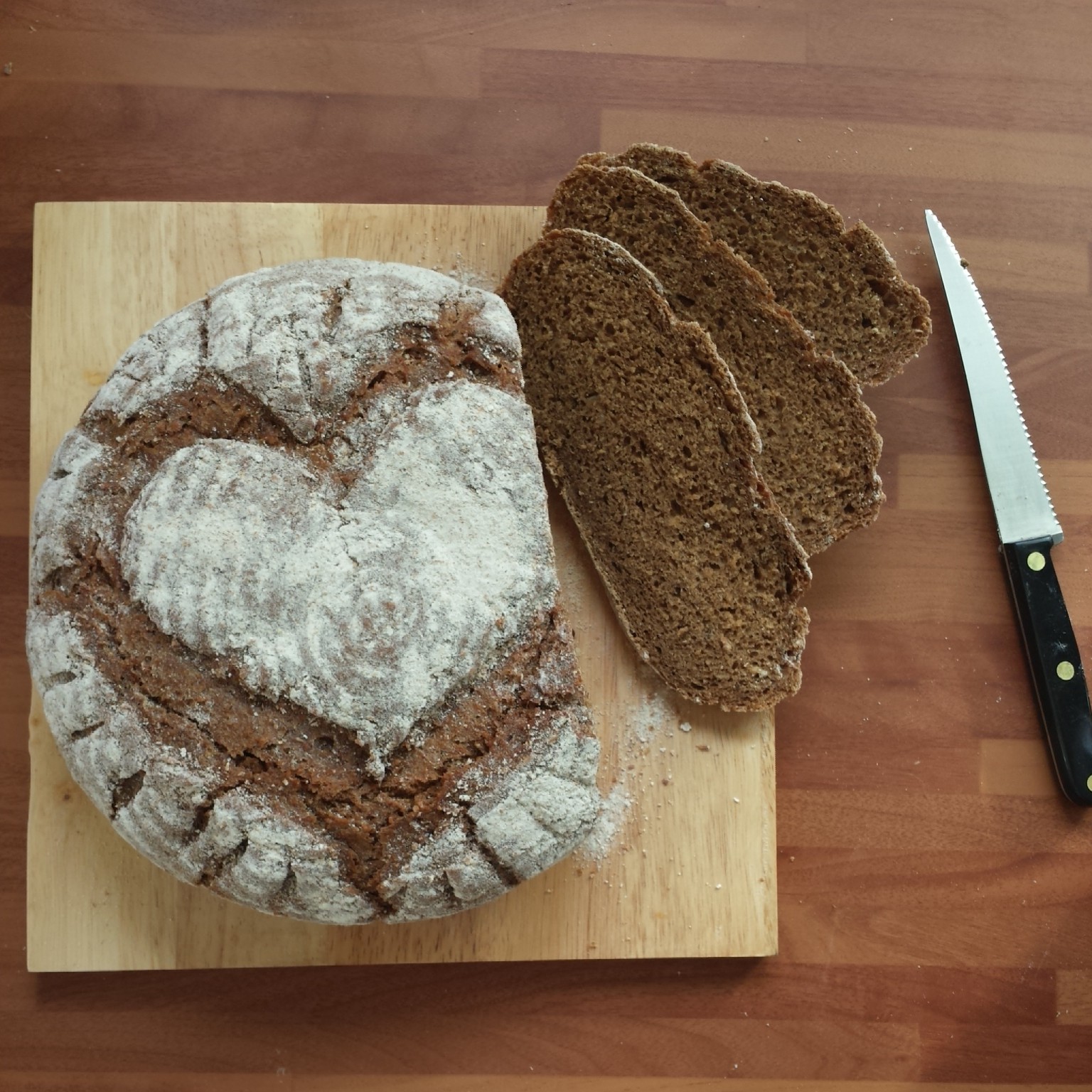
I love how the wholemeal flour (that I used to dust the banneton with when proving the dough) bakes into the loaf, providing the perfect contrast against the rich brown bread peeking through the heart pattern. It even holds onto it’s circular imprint.

Russian Black Bread

Russian Black Bread

Apparently Russian Black Bread is best served with lashings of butter or caviar! The Russians sure know how to live! This bread is soft, pillowy and very rich. It’s a very unusual bread with hints of aniseed and licorice from the caraway and fennel seeds. The treacle also adds depth to the licorice tones without making the bread overly sweet.

Russian Black Bread recipe

Who wouldn’t love a slice of Russian Black Bread?

It’s a wholesome, fluffy and filling bread. The bran, rye and wholemeal flours are balanced with a dash of white flour giving an unexpected light texture. I could imagine this bread being a perfect accompanyment to a hearty stew or soup with a thick coat of butter. It is very rich so, as predicted, I didn’t manage to finish the loaf this week, it’s resting in the freezer for my next round of extra special sandwiches.

Pickled herring and seaweed caviar on Russian Black Bread

Pickled herring and seaweed caviar on Russian Black Bread

It just so happened that I purchased some pickled herring and seaweed caviar (a much more affordable caviar at £2 a pot!) from Ikea last weekend so I had to hand some pretty impressive sandwich making ingredients. In hindsight, pickled herring may be a bit of an extreme pairing for Russian Black Bread which is almost a entire feast all by itself. The herring overpowered the flavours somewhat, but the caviar works very well indeed.

Hot Pot Sourdough

Hot Pot Sourdough recipe

Hot Pot Sourdough

Since my first Sourdough success I’ve continued to experiment and tweak my recipe (which is now mainly in my head and variable) I change it every time I bake, depending on what flour I have to hand and how healthy I’m feeling…

BUT I think I may have cracked my staple sourdough recipe now using quite an ingenious method. Hot Pot Sourdough!

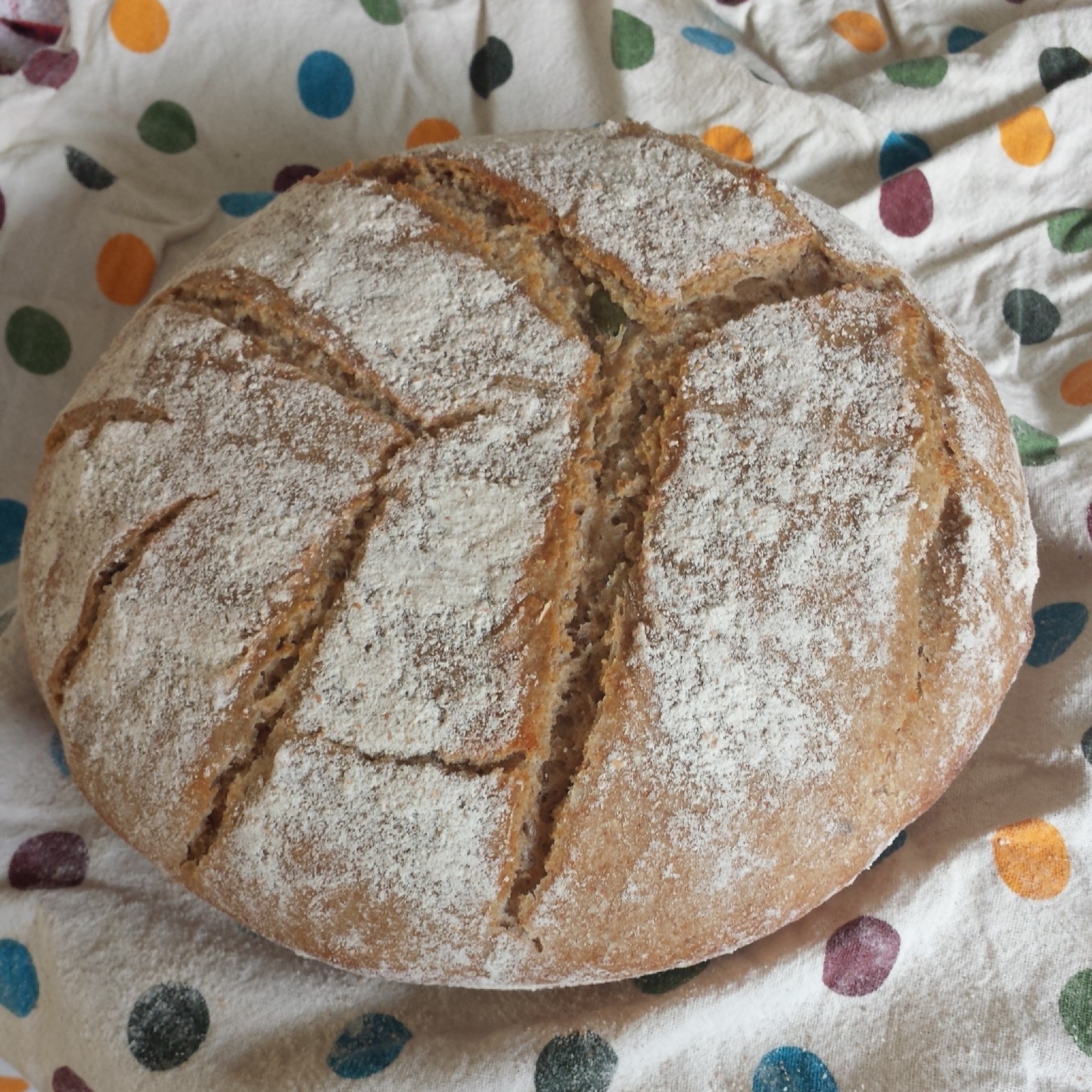
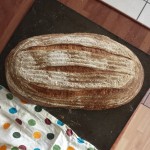
Seeded Sourdough Boule

Seeded Sourdough Boule

I realised that the sourdough strength (how active it is) and thickness (or rather the ratio of flour to water if you want to get all technical about it) plays a massive part in how successful a loaf is.

It's all about the hot (casserole) pot

It’s all about the hot (casserole) pot

Making a true sourdough loaf (not adding any instant yeast at all) can be a bit hit and miss. But after a lot of experimenting (or disasters) I seem to have cracked it! Here’s how…

1. Pour most of your starter away before you feed it. Leaving one quarter of your starter to add flour and water to. (As I explained in my last Sourdough post.)

2.  Feed your starter at least 8 hours before you want to use it!

3.  Feed it a lot! You need a lot of sourdough starter to make this loaf so feed it 400g flour and 400g water (about 2 cups)

Feed me: Stir in your flour and water til smooth

Feed me: Stir in your flour and water til smooth

4.  Leave the rubber seal on the jar of sourdough starter. This means when you close the jar lid it’s airtight. (It seems to help keep it more active and fresher for longer.) BUT you will need to open the lid to release the built up air once a day (especially after its been fed as its most active!) to stop the jar exploding.

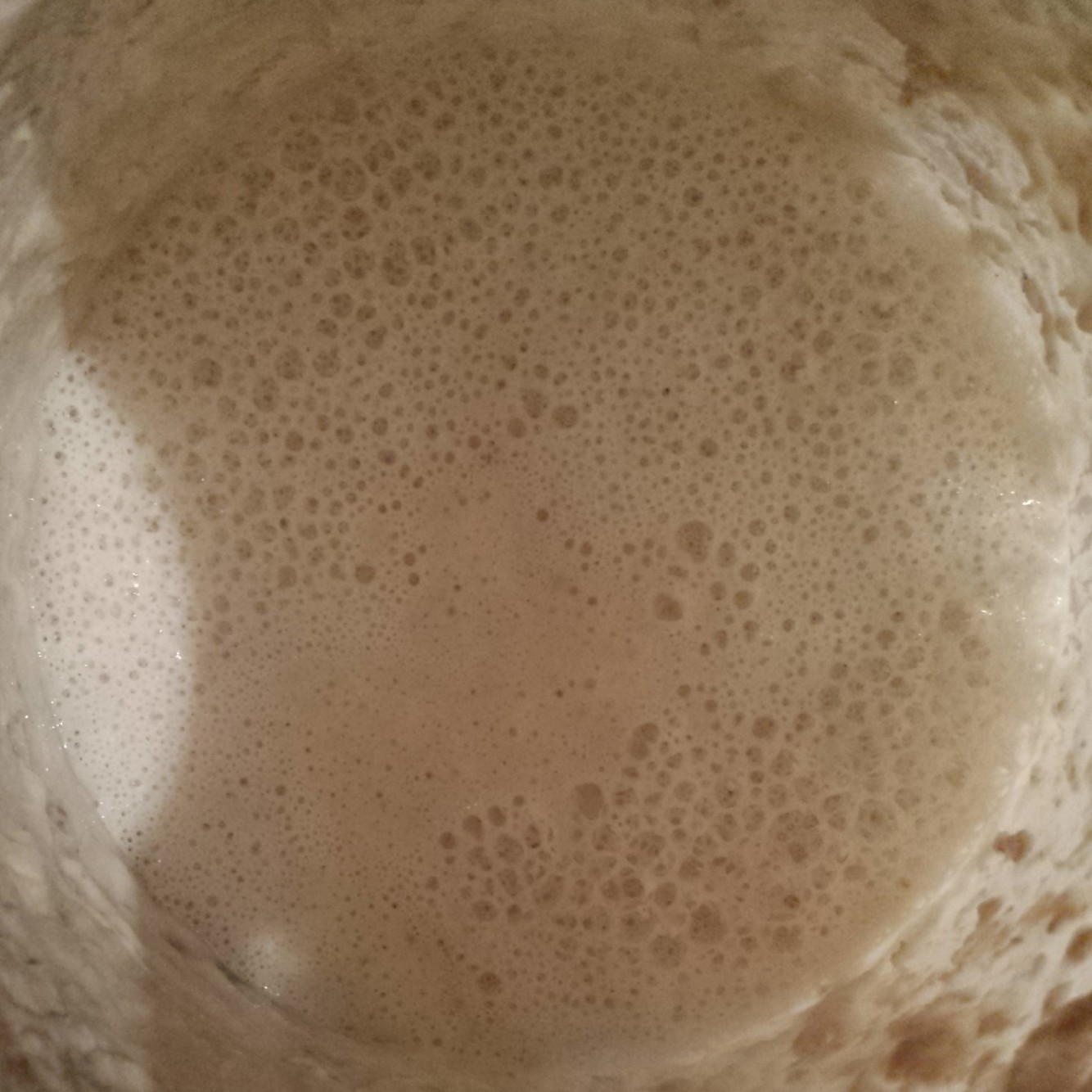
Frothy Sourdough starter ready to use

Frothy Sourdough starter ready to use

4. Wait until the starter is frothy (8 to 24 hours after feeding it).Then you know it’s ready to use.

Oh so hungry and unhappy sourdough starter

Oh so hungry and unhappy sourdough starter

5.  If your sourdough starter starts to split and gather a layer of water/black liquid on top it’s hungry! Pour most of your starter away and give it a good feed.

Hungry Sourdough has a layer of darker (smellier) water on the surface

Hungry Sourdough has a layer of darker (smellier) water on the surface

6.  I give my starter a good (400g flour and 400g water) feed once a week, the day before I want to begin my bread. I leave it at room temperature everyday and try to remember to feed it when it’s starting to look hungry/spilt (usually once every 2 to 3 days). I would feed it every day if I was baking a lot of bread. But half a cup of flour and half a cup of water will suffice as a mini feed to keep it active in between big feeds. Try to feed it a small amount every couple of days.

Just fed sourdough starter - smooth and thick

Just fed sourdough starter – smooth and thick

7. Invest in a banneton (proving basket) or two – I have a rectangular and a round one for different style loaves. When working with a wetter sourdough loaf the proving baskets help the loaf to keep its shape.

Proving in my round bannetone basket with a cotton liner to prevent it sticking. You can place it directly into the basket if you prefer to get the pretty swirls imprinted on your loaf

Proving in my round bannetone basket with a cotton liner to prevent it sticking. You can place it directly into the basket if you prefer to get the pretty swirls imprinted on your loaf

8.  Flour the banneton with an even and thick layer. (It helps to leave the pretty swirly patterns). Or if using a cotton liner inside your basket, flour the liner to prevent the dough sticking. Use a shower cap or cling film to cover the top. Prove the loaf in the basket over night in the fridge.

Ready to prove in the fridge over night

Ready to prove in the fridge over night

9.  Score it with a razor blade –  Get creative with your patterns, creating swirls and slices to help the loaf expand in all the right places as the yeast reacts to the heat of the oven. Scoring your loaf will prevent it splitting and it looks so pretty too.

Score your proved loaf with a razor blade

Score your proved loaf with a razor blade (and a chopstick)

10. Bake in a hot pot! When warming the oven put a casserole pot with a lid in to heat through. I whack my oven up to the hottest temperature for 30 minutes. Sprinkle an even layer of ground semolina on the bottom of your pot and gently tip your proven loaf into the pot from the banneton basket. Careful not to knock all of the air out of the loaf as you do so and not to burn your hands on the very hot pot. (Unfortunately you cant bake the bread in the basket so the loaf needs to be removed). I use a round banneton to prove my loaf in and a round pot to bake in.

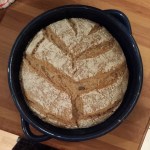
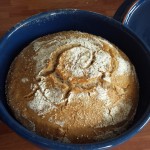
  • Pop the lid on the pot and place it in the oven at the hottest temperature for 15 minutes, then turn the temperature down to about 220 degrees C for the final 15 minutes. I use a glazed terracota casserole pot which can take the heat and protects the bread from scorching.
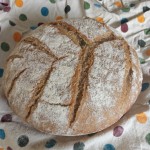
One Corn Ear patterned sourdough boule

One corn ear patterned sourdough boule

Keeping the lid in place means all of the steam is retained in the bread, which adds extra moisture and softness to the bread AND results in the most amazing ‘oven spring’ you will ever see in your bread. I guarantee it! It will double in size.

Play around with your recipe until you get it just how you like it! Here’s some of my attempts so far…

My Sourdough Family

Staple Sourdough Recipe

  • 500g flour (I usually use 250g ish of white flour 150g rye 100g spelt or wholemeal)
  • 250g water (You may need slightly more water if using a drier flour such as wholemeal, rye or spelt.)
  • 400g frothy sourdough starter
  • 10g salt
  • A splash of olive oil (approx 1-2 tbs depending on the flour, enough oil to bring the dough together into a shiny ball but not to much making the dough wet and sticky).
  • 1 tbsp barley malt extract (optional)
  • 50-100g mixed seeds (optional: linseed, flax, poppy, chia, sunflower, pumpkin)

How to make Hot Pot Sourdough

  1.  Pour the salt, flour, sourdough starter, barley malt extract (if you’re using it) and water into a mixing bowl.

  2. If using an electric mixer, put it on a low speed for 10 minutes, pouring a splash of oil in as and when required to bring the dough together into a smooth and shiny ball. (Or if doing it by hand, mix together with a wooden spoon until it comes together. Adding a drizzle of oil to help it along. Then knead for 10 minutes.)

  3. Cover the bowl with cling film/shower cap and leave to prove overnight in the fridge or for 2- 3 hours at room temperature.

  4. Knead and shape your loaf on a lightly floured surface to knock out the air bubbles. If you want to add seeds, now’s the time to knead them into the dough.

  5. Place into a floured banneton (or loaf tin), cover with a shower cap and prove over night in the fridge or for 2 hours at room temperature.

  6. Pre heat your oven and hot pot at the hottest temperature for 30 minutes

  7. Sprinkle ground semolina on the bottom of your hot pot

  8. Gently tip the proven loaf from the banneton, moving he basket as close to the hot pot as possible. Don’t worry if you’re slightly off centre, the loaf will sizzle as it hits the hot surface, firming the base of the loaf up. It can then be gently slid around the pot if you tilt it to one side. Don’t try to move it with your fingers as you’ll knock the air out and probably burn yourself!

  9. Score the loaf with a sharp knife or razor blade.

  10. Pot the lid on the pot and bake it at your oven’s highest temperature for 15 minutes. (250 degrees c) Turn it down to around 220 degrees c for the final 15 minutes. You can check the bread is cooking by taking the lid off.

  11. Remove from the hot pot when it looks fully risen (30-35 minutes of baking should do it, but check it sounds hollow when you tap it’s base. If not, leave it in for a few more minutes.)

  12. Looking for a soft crust? Wrap your hot loaf up in a clean tea towel to hold in the moisture and soften the crust. Leave it to cool fully in the tea towel.

  13. Looking for a crisp chewy crust? Take the lid off the hot pot for the final 5 minutes in the oven. Leave your loaf to cool on rack.

  14. Slice it up and enjoy! I often eat this bread without any butter at all, as it’s so moist it really doesn’t need anything to liven it up. Just pure unadulterated sourdough joy!

  15. Once cooled I pop the loaf back into my pot to keep the air out and keep it fresh. It lasts for at least a week.

  16. If I’m not going to get through a whole loaf I like to slice it up thinly and freeze half. Then I can defrost a slice at a time as I need it.

  17. Eat and repeat!

P.S. My original sourdough experiments can be found over on my post ‘Starting Sourdough with James Morton’.